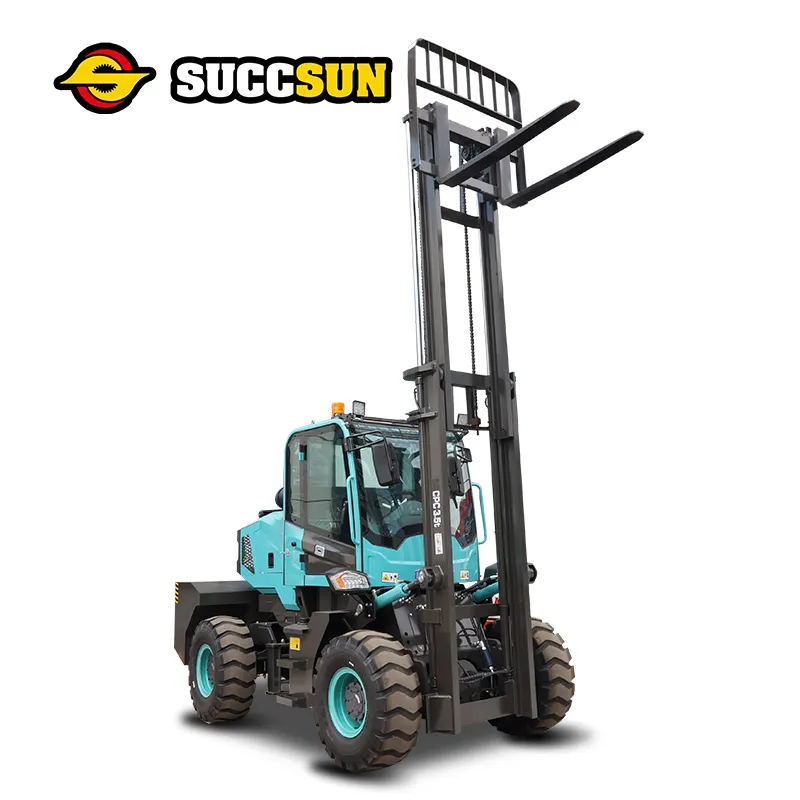
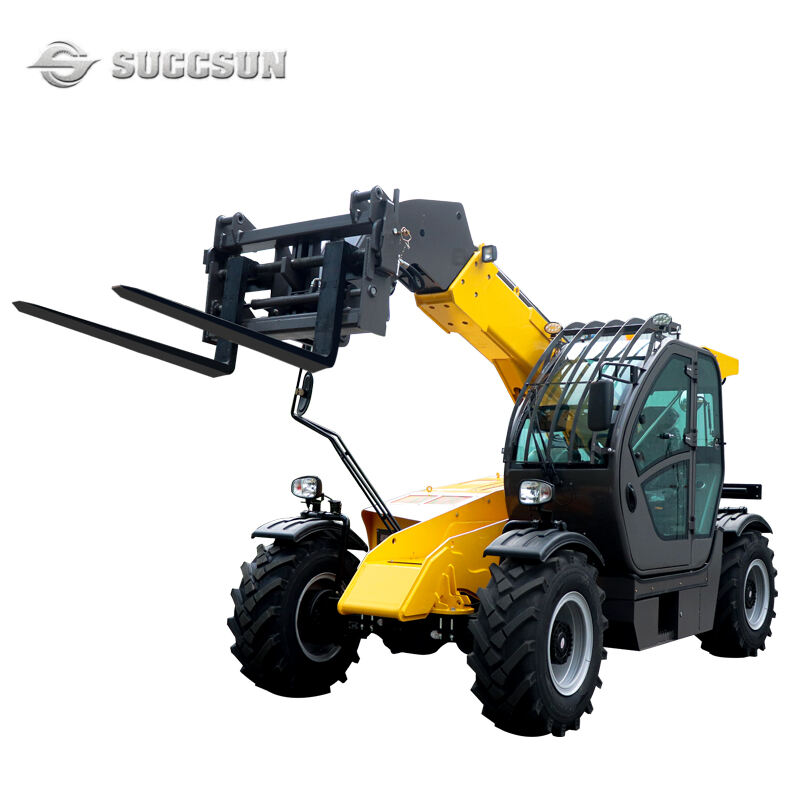
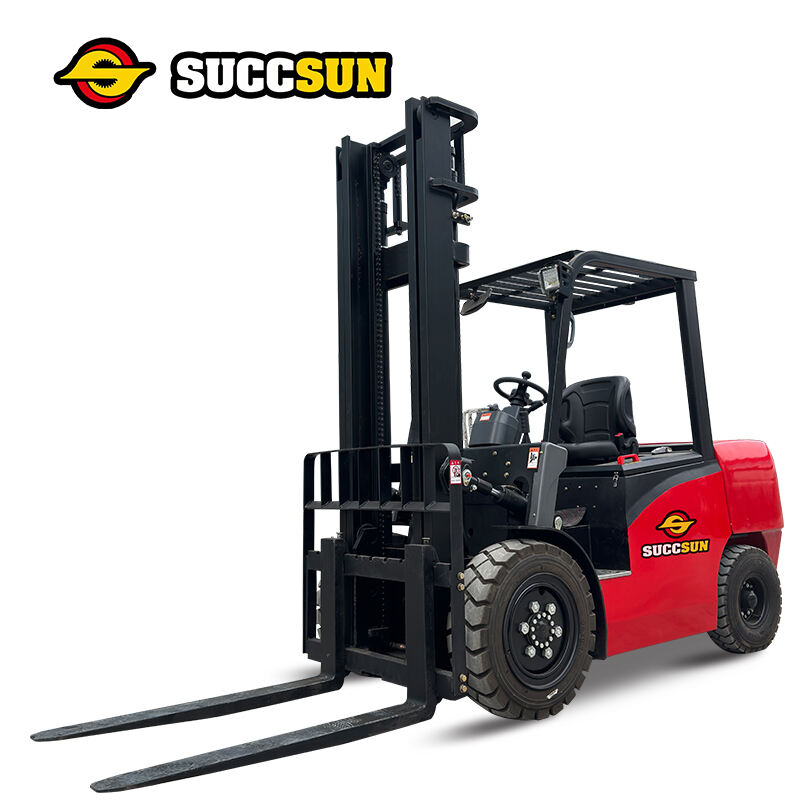
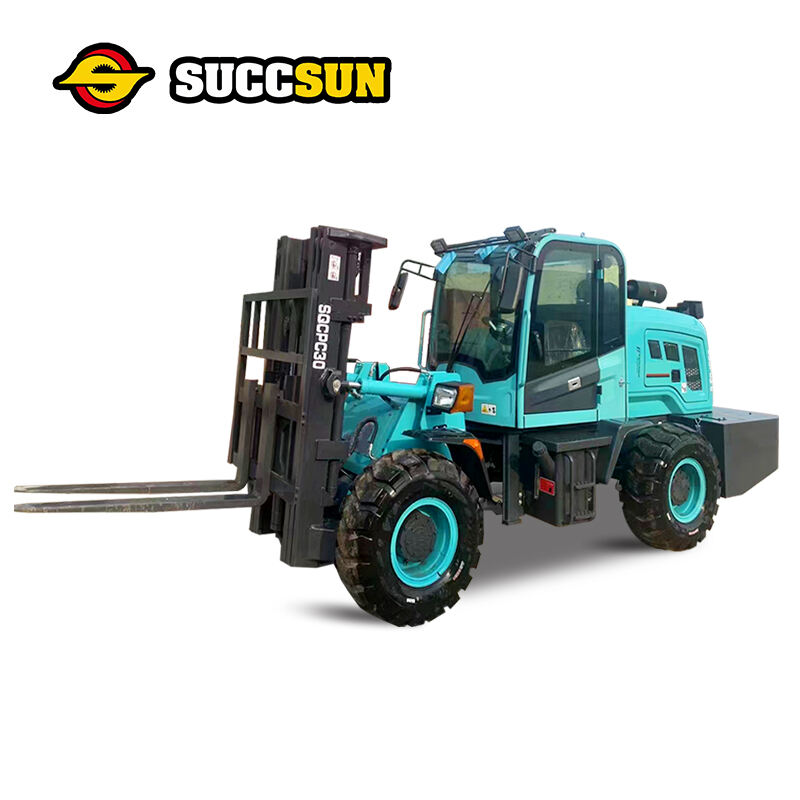
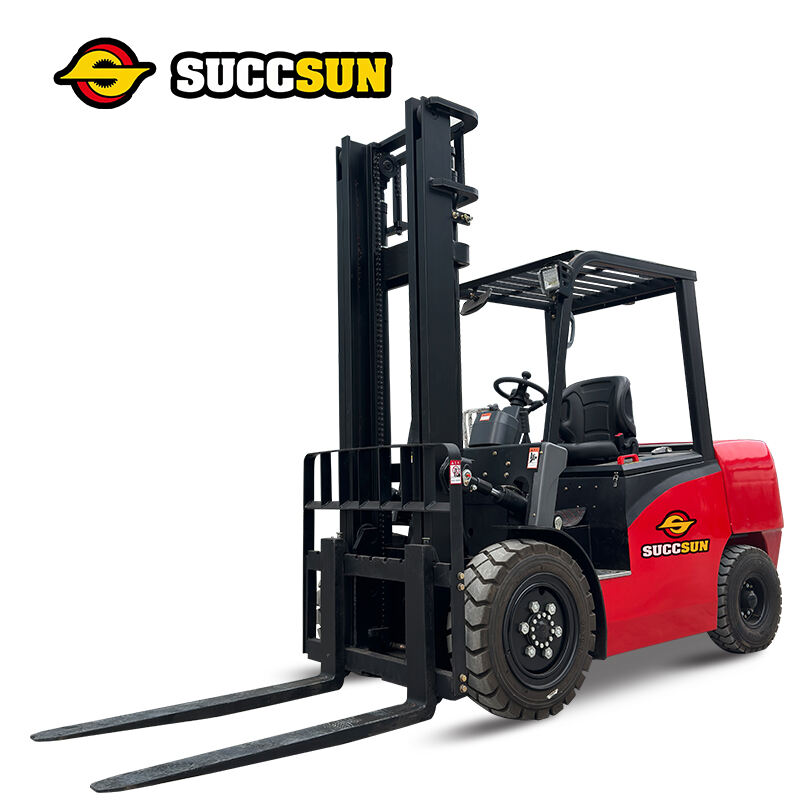
In the industrial material handling sector, particularly in demanding environments such as construction sites, large warehouses, ports and terminals, building material markets, and heavy manufacturing workshops, the 3-ton diesel forklift is an indispensable mainstay. Its core value lies in its exceptional load-carrying capacity. With a rated load capacity of 3 tons (3,000 kilograms), it perfectly meets the heavy-duty material handling needs common in many industrial scenarios. Whether it's tightly stacked steel, concrete precast components, full pallets of wood pulp, or large mechanical assemblies, it can handle them with ease, making it an ideal choice for medium to heavy-duty tasks.
At the heart of its efficient operation is the robust power provided by its diesel engine, particularly its outstanding low-speed high-torque characteristics. This enables it to maintain stable traction and lifting force even when fully loaded, overcoming environmental obstacles on slopes, uneven open-air sites, or muddy construction sites, and handling heavy-duty tasks in outdoor and rugged terrains. Compared to electric equipment, diesel-powered machinery demonstrates superior adaptability to extreme cold, heat, dust, and humidity, ensuring reliable performance and continuous operation even in harsh weather conditions.
In terms of economy and efficiency, the 3-ton diesel forklift demonstrates significant advantages. It has high energy efficiency, and the energy density of diesel fuel provides it with an ultra-long working range, enabling it to support over 16 hours of high-intensity operations with a single fuel refill, significantly reducing downtime for refueling and improving overall equipment utilization. When considering long-term operational costs, especially in outdoor or heavy-duty, high-frequency scenarios, its low fuel costs, absence of expensive charging infrastructure, and no need for battery replacement typically result in a highly competitive operational cost structure. Combined with its robust and durable construction, proper maintenance extends its service life, further reducing total cost of ownership (TCO) and ensuring an excellent return on investment (ROI).
 EN
EN