The Core Value and Industry Significance of 4-Ton Forklifts
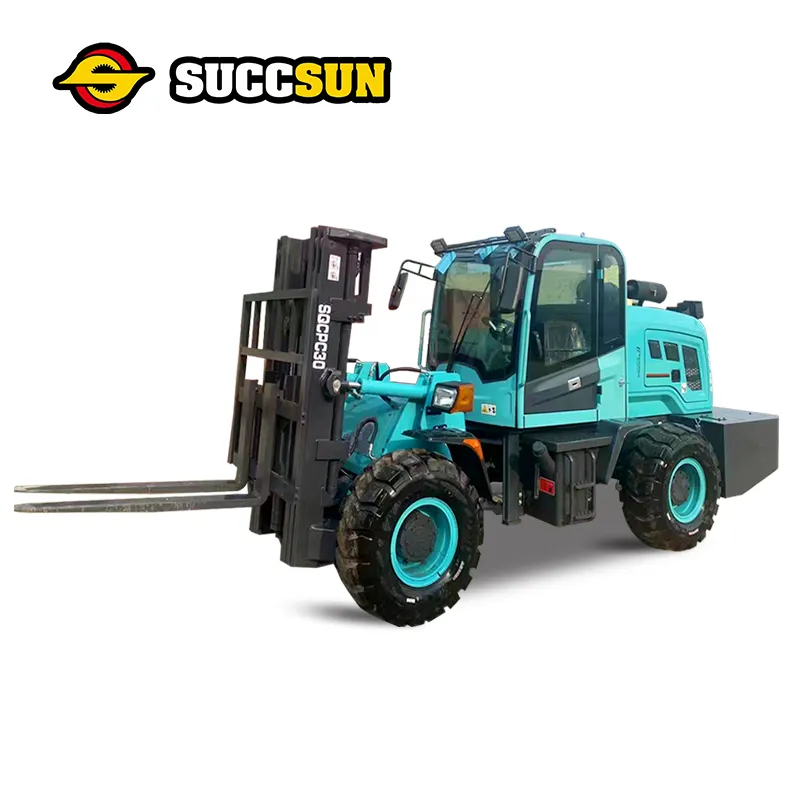
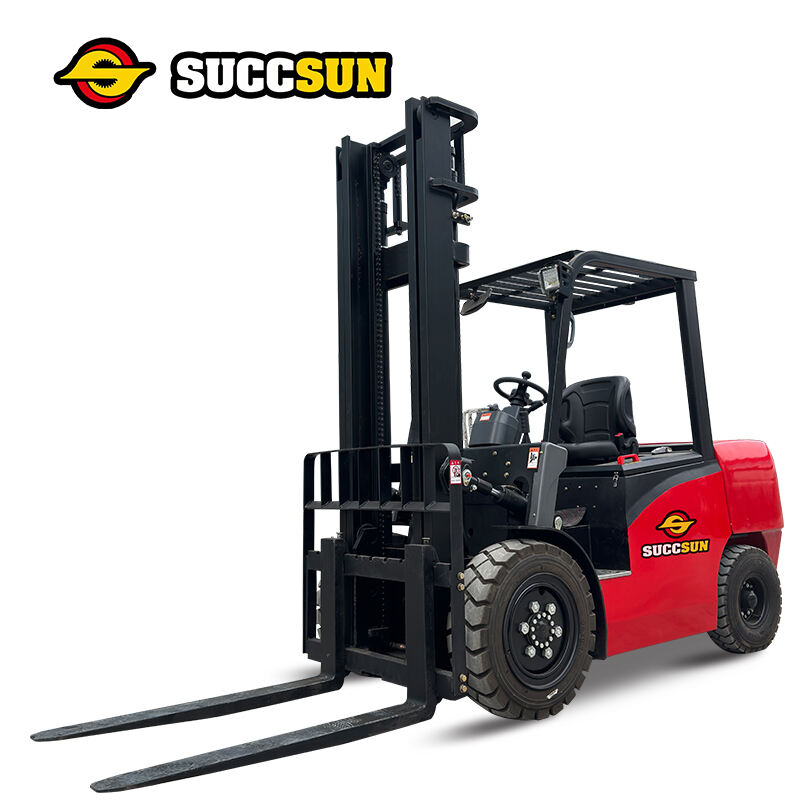
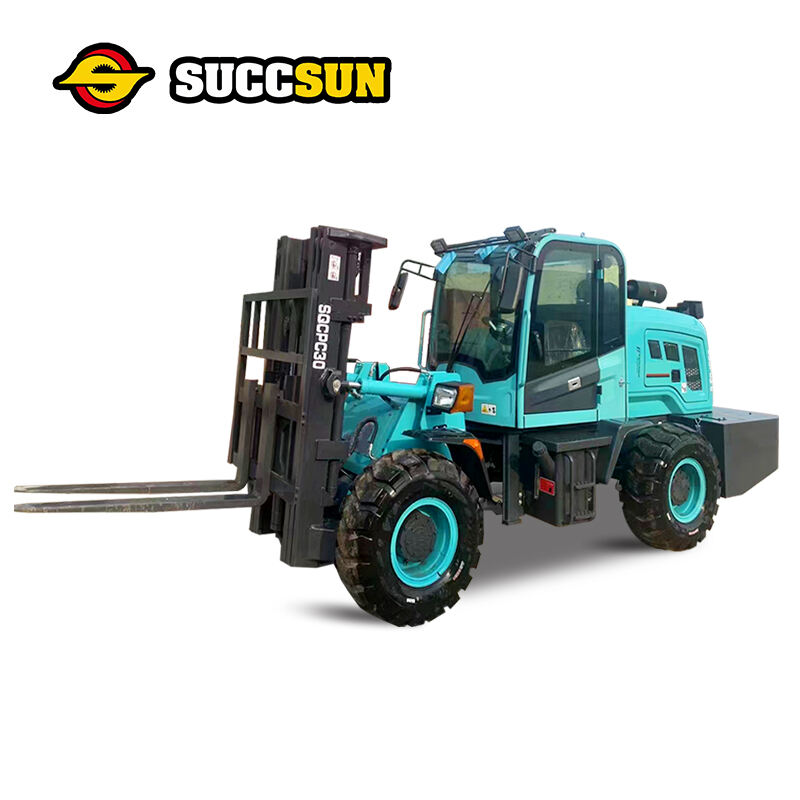
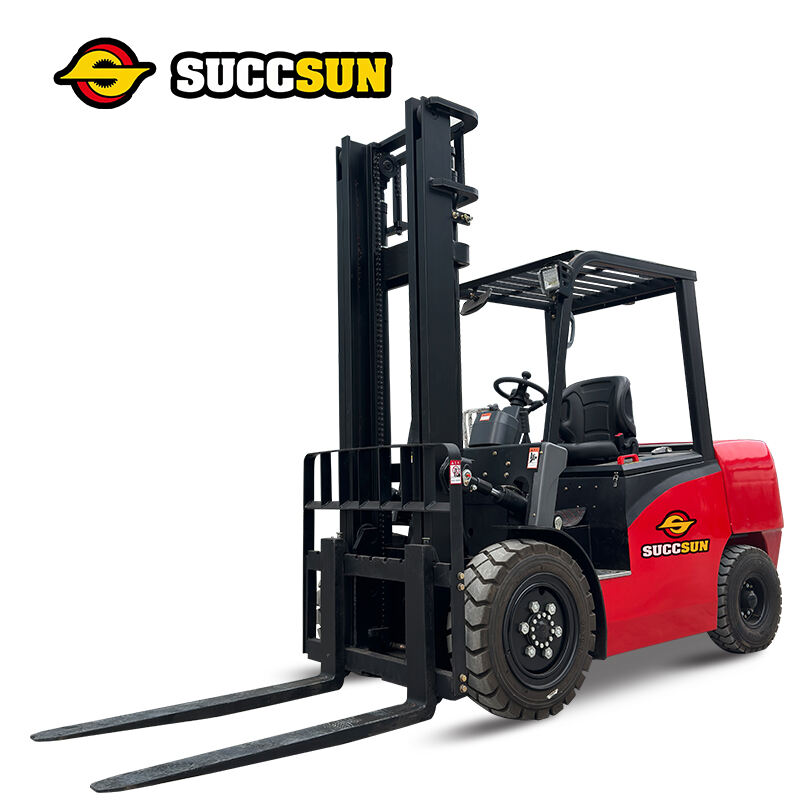
As an all-round mainstay in the industrial field, 4-ton forklifts (with a load capacity of 8,000 pounds) occupy an irreplaceable strategic position in heavy-duty handling scenarios. It perfectly balances load capacity with operational flexibility, efficiently handling typical heavy-duty cargo such as steel coils, heavy machinery, and container pallets in industrial settings, while also adapting to complex spaces like warehouse narrow aisles, port container zones, or rugged construction sites, filling the critical gap between standard forklifts and oversized industrial equipment.
In terms of productivity enhancement, the 4-ton forklift directly drives efficiency innovations in major industry scenarios: construction sites can safely transport precast concrete components and steel beam structures, port logistics achieve efficient loading and unloading of 20-40-foot containers, and heavy manufacturing production lines precisely transport large components. This sustained high-intensity operational capability significantly reduces turnaround time, lowers the number of equipment units required, and ultimately cuts overall operational costs by over 30%.
This class of forklift is renowned for its military-grade durability—reinforced chassis structure, heavy-duty drive axles, and industrial-grade core component design ensure stable performance in extreme conditions such as dust, humidity, and vibration. This wear-resistant characteristic grants the equipment an exceptionally long service life, making the 4-ton forklift one of the highest return-on-investment categories in industrial assets.
Safety compliance is another core advantage. Overloading risks during heavy-duty handling often lead to serious accidents, but the 4-ton forklift provides safety redundancy for handling irregular heavy cargo through scientific weight distribution design, dynamic stability control systems, and optimized driver visibility. It simultaneously meets OSHA and ISO safety standards, effectively preventing overturning risks and ensuring the safety of personnel and cargo.
The flexibility of technical configurations further adapts to diverse needs: diesel models provide maximum torque for outdoor rugged terrain; all-electric versions enable zero-emission operations in warehouses and food factories; and LPG models flexibly switch between indoor and outdoor scenarios. Combined with Tier 4 environmentally friendly engines and energy recovery systems, the new generation of models reduces energy consumption by up to 30% compared to traditional equipment, balancing productivity and sustainable development.
 EN
EN