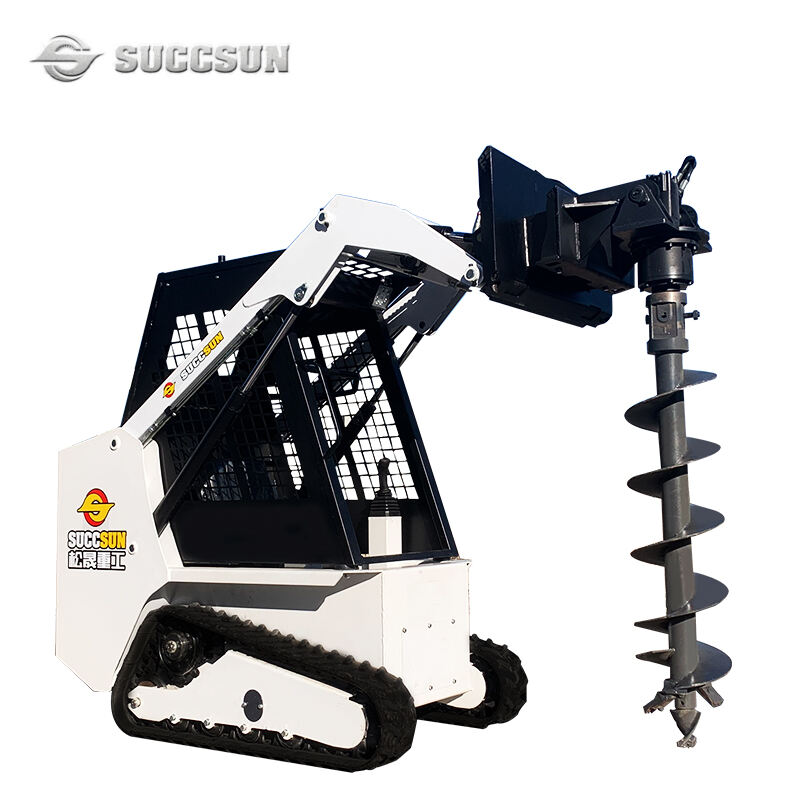
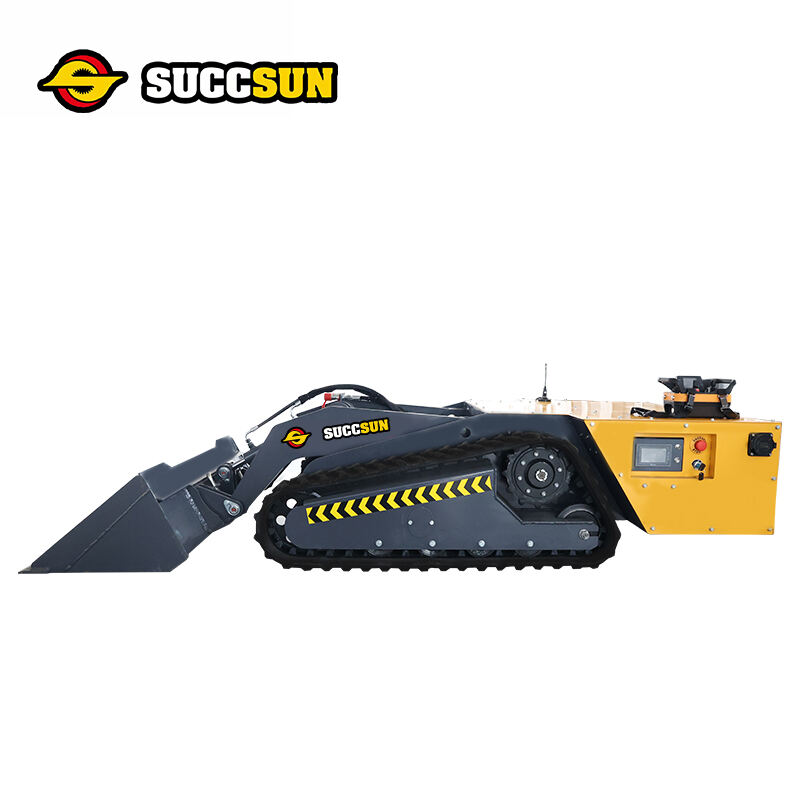
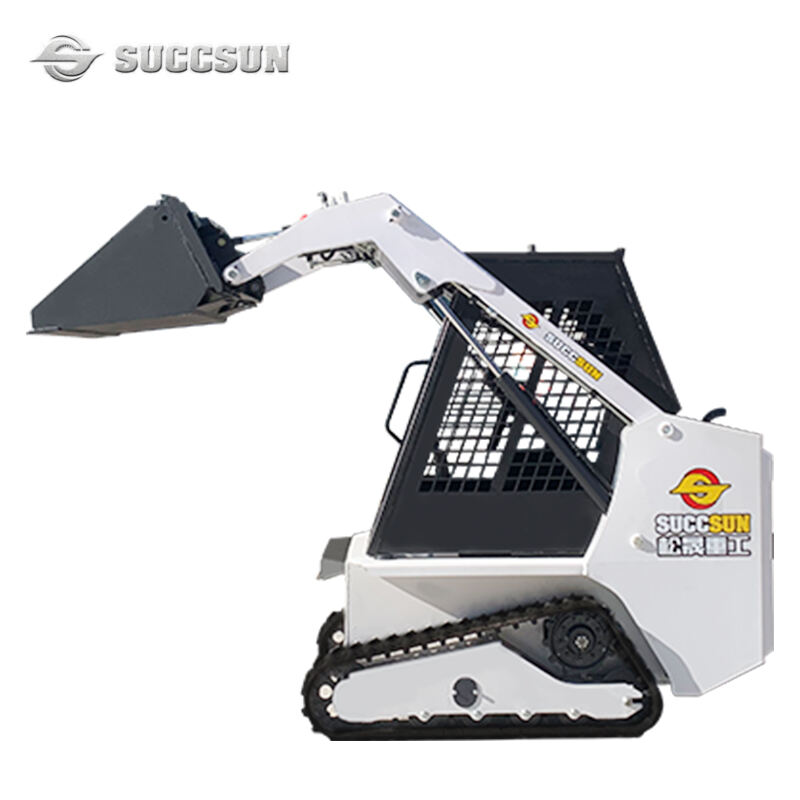
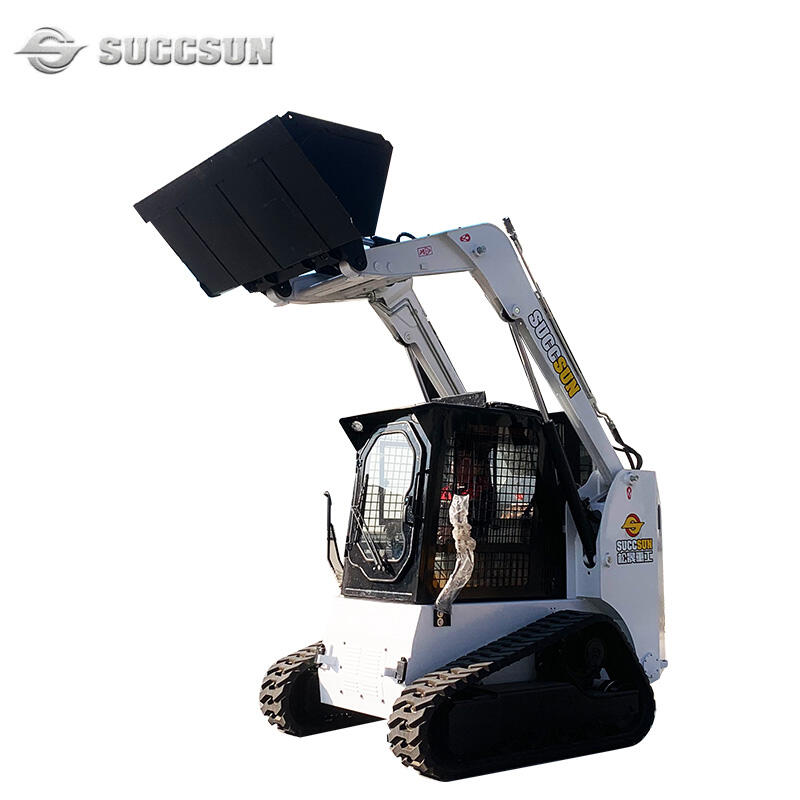
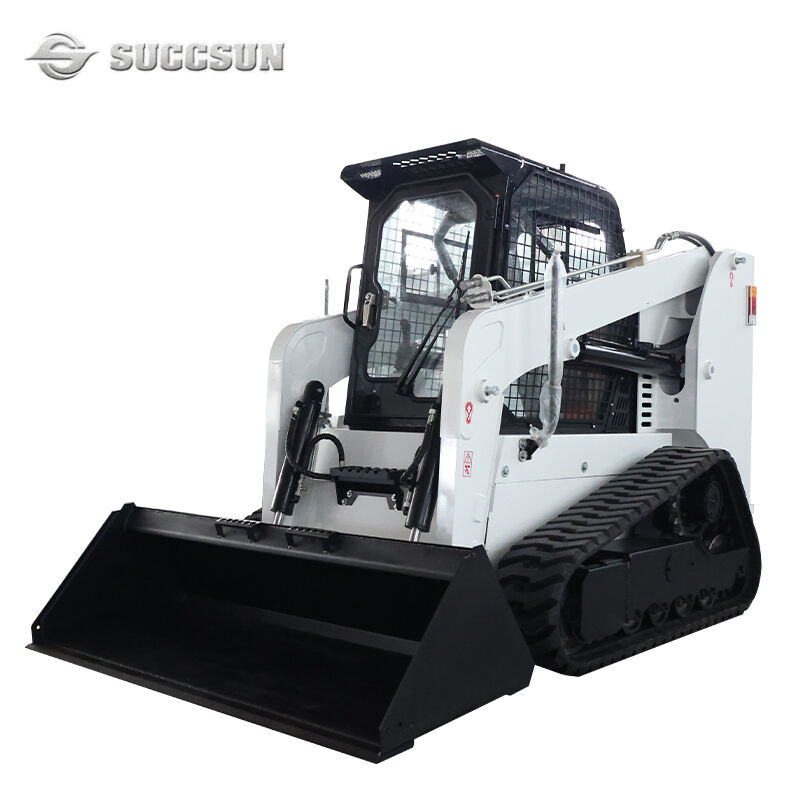
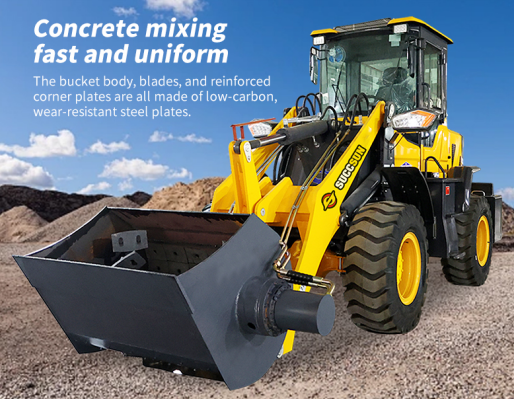
The core value of compact wheel loaders lies in resolving the contradiction between space constraints and efficiency requirements in modern work scenarios. Traditional large equipment often struggles in narrow construction sites, urban alleys, or indoor spaces due to excessive turning radii (typically over 5 meters), leading to project delays and soaring labor costs. Compact wheel loaders, however, feature breakthrough maneuverability designs—such as 0° articulated steering and a body width of less than 2.5 meters—enabling them to directly access small warehouses, backyard landscaping areas, or narrow construction gaps for operation, thereby increasing space utilization by 40% and completely replacing high-cost manual handling solutions.
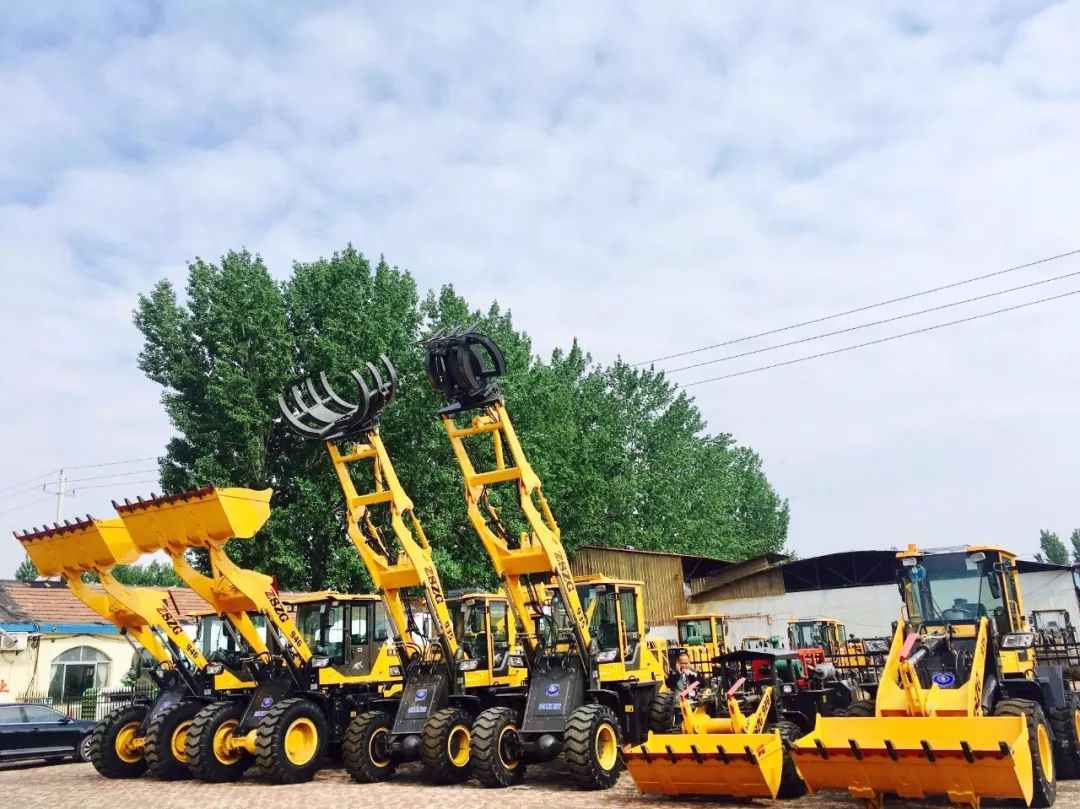
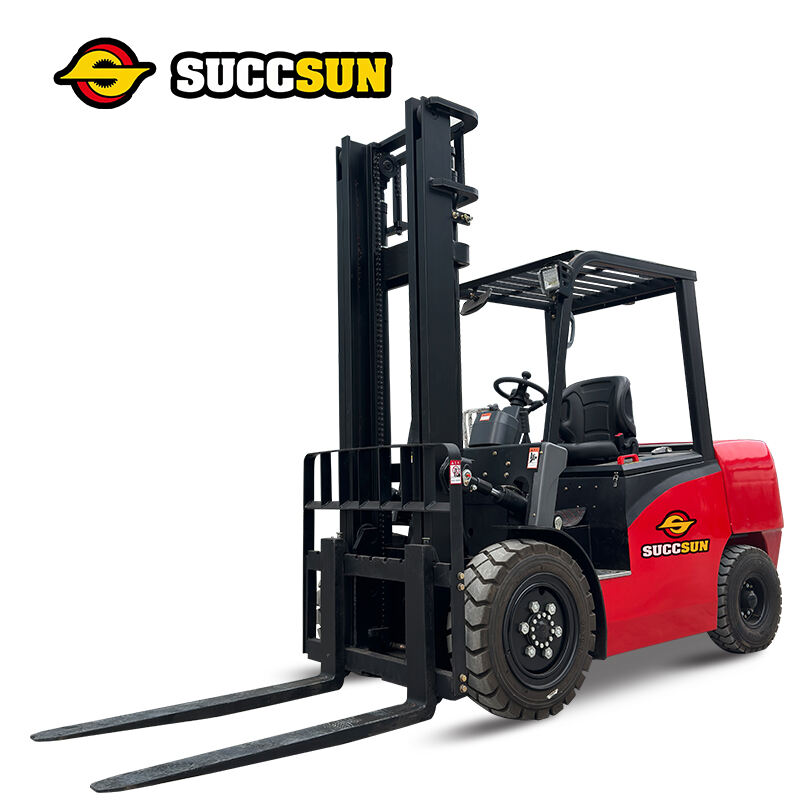
The significant improvement in profitability stems from its modular “multi-purpose” characteristics. By configuring a universal quick-change interface, a single machine can quickly switch between over 20 attachments: from standard buckets and forklift frames for handling logistics pallets to professional-grade snow plows, milling machines, and even forestry grapples. This versatility enables contractors to undertake diverse projects such as earthmoving, material handling, and road maintenance with a single investment, reducing annual equipment procurement and rental costs by an average of US$18,000. Compared to single-function small excavators or skid steer loaders, its overall efficiency is significantly improved.
The evolution of power performance has shattered the conventional notion that “small equipment equals low output.” The new generation of models is equipped with high-torque diesel engines compliant with Tier 4 emissions standards, delivering up to 3,500 pounds of lifting capacity and continuous 8-hour operation capability while maintaining low fuel consumption (22% less fuel than medium-sized loaders). Field tests show that it can handle 80 tons of material per hour in loading tasks, outperforming comparable engineering equipment. For contractors, this directly translates to a 30% reduction in project cycle time and over five times the return on investment for attachments.
 EN
EN