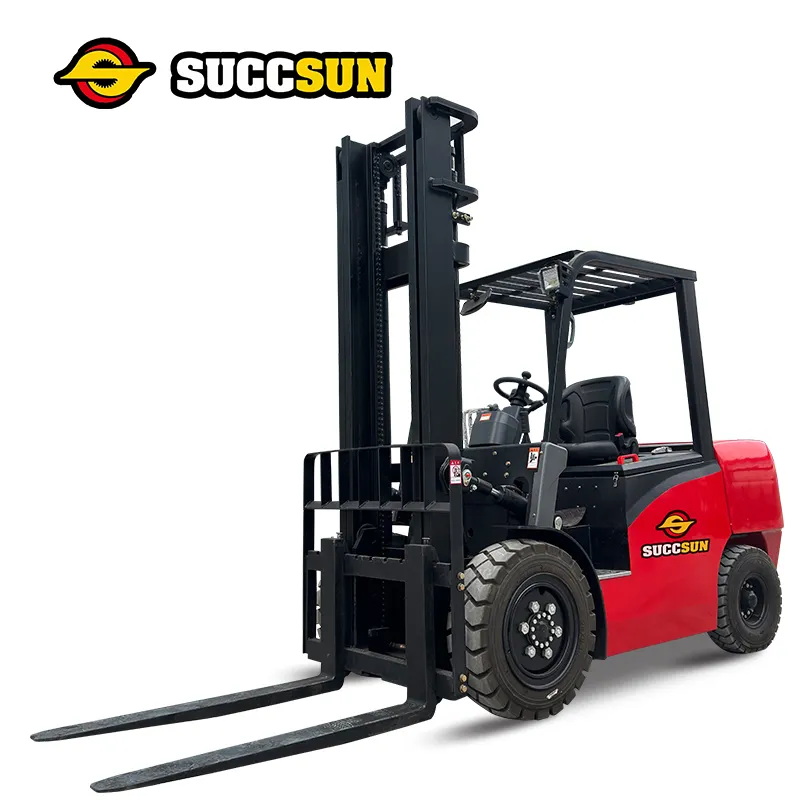
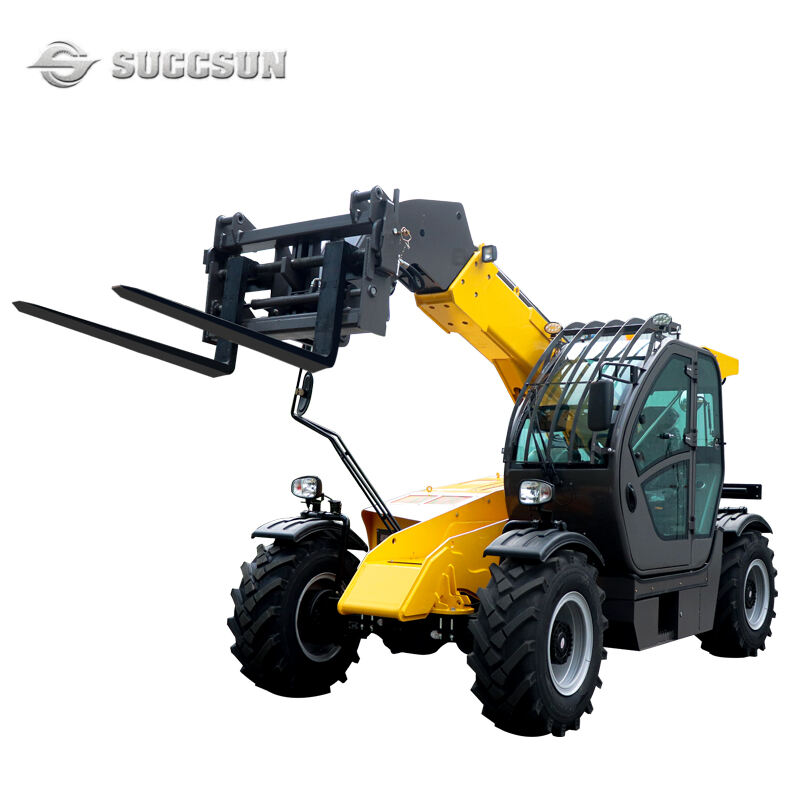
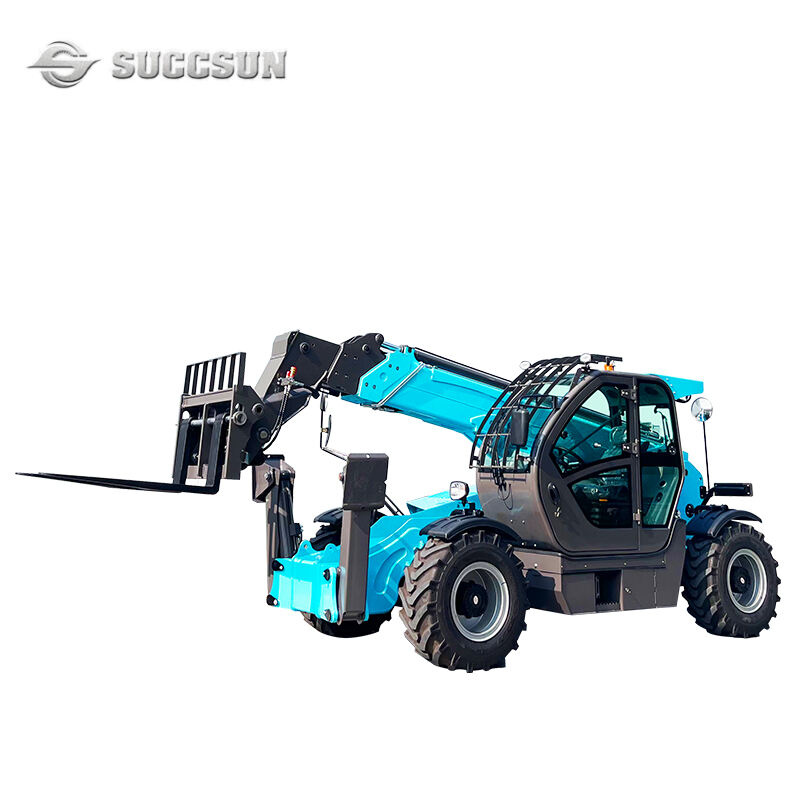
Understanding the Strategic Value of Different Forklift Types
In industrial operations, choosing the right forklift type is a core decision that directly impacts a company's profitability. Currently, the US market operates over 1.5 million forklifts, with annual industry investment exceeding $30 billion. However, incorrect choices are leading to significant hidden losses: Nearly 23% of companies experience productivity declines due to mismatched equipment, 25% of forklift accidents stem from mismatches between machine types and operational scenarios, and energy waste further drives operational costs up by 15%-40%. This lack of awareness is eroding corporate competitiveness—while peers achieve warehouse capacity improvements or cost optimizations through precise equipment matching, those making incorrect decisions are trapped in a vicious cycle.
The Four Value Dimensions Driven by Precise Equipment Selection
1.
Space Efficiency Transformation: In high-density warehouse scenarios, narrow-aisle reach trucks can increase storage density by 30% compared to counterbalanced forklifts, and reduce single-load retrieval time by nearly 40%. For example, after an e-commerce warehouse upgraded its equipment, order processing capacity surpassed 300 items per hour, directly alleviating the risk of warehouse overcrowding during peak seasons.
2.
Safety and Compliance Assurance: Using standard forklifts instead of specialized rough-terrain forklifts on construction sites increases the risk of overturning by 52%. After upgrading equipment, a Texas lumber mill reduced annual workers' compensation expenses by $280,000 and eliminated all OSHA violation records.
3.
Full Lifecycle Cost Control: Electric forklifts used in indoor environments reduce energy costs by 60% compared to internal combustion models, while liquefied gas models in low-temperature warehousing save $8,000 per unit annually compared to diesel models. A cold chain logistics center recovered its equipment investment within two years through energy structure optimization.
4.
Foundation for Technological Transformation: Automated guided vehicles (AGVs) and lithium-ion hybrid forklifts have achieved 24/7 continuous operation. After adopting AGV systems, automotive parts manufacturers saw a 210% increase in production line material turnover efficiency, laying the foundation for Industry 4.0 upgrades.
Scene-Based Decision-Making Benefits Comparison
In立体货架仓库, using counterbalanced forklifts requires a 3.5-meter-wide aisle, leading to warehouse capacity waste; switching to reach trucks increases storage capacity by 40% in the same area, equivalent to saving millions in expansion costs. Outdoor conditions are even more typical: A building materials company mistakenly used standard electric forklifts in a stone quarry, resulting in annual maintenance costs of $47,000; after switching to rough-terrain forklifts, the failure rate decreased by 62%, reducing operational costs by $630,000 over three years.
 EN
EN