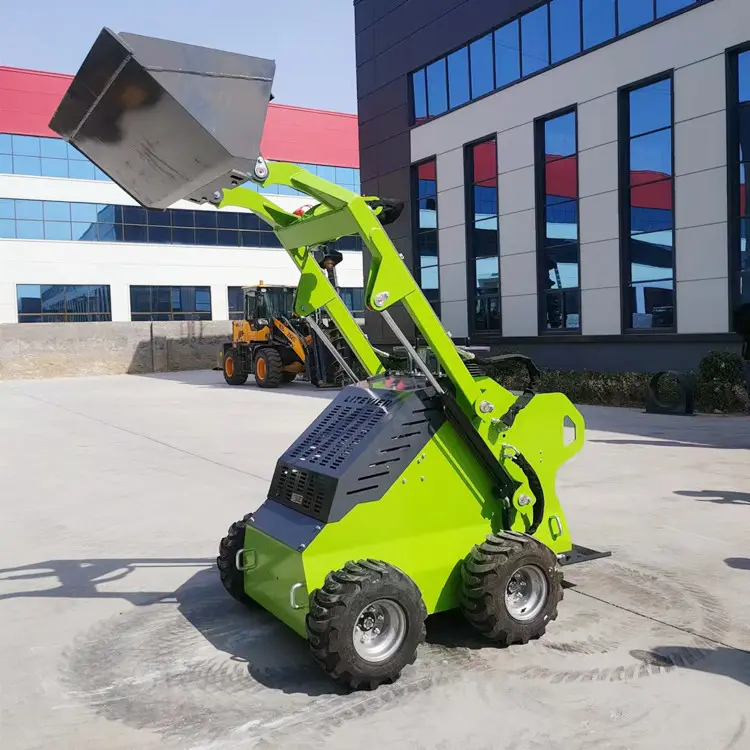
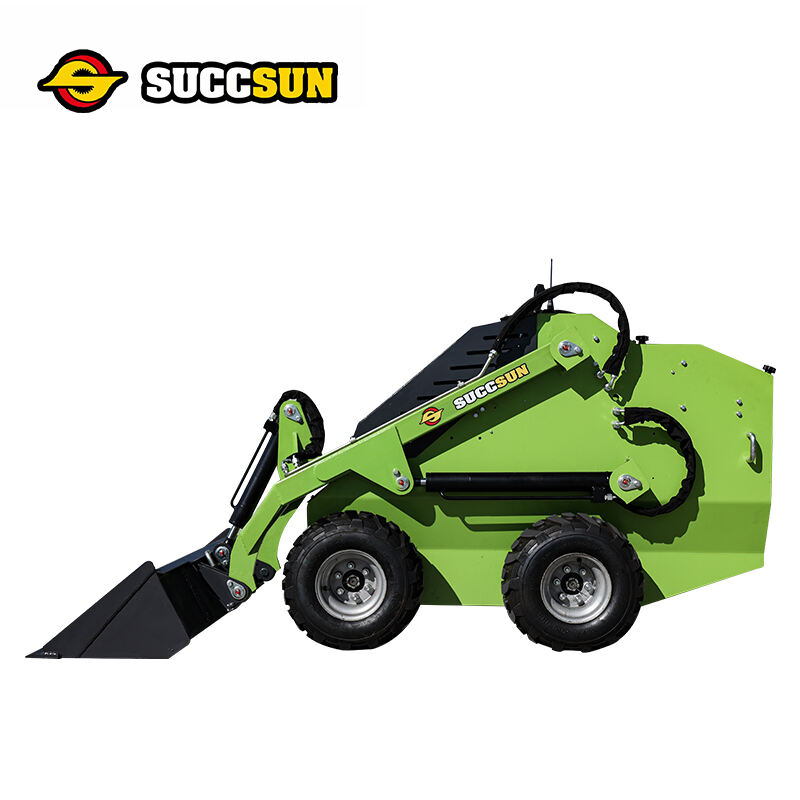
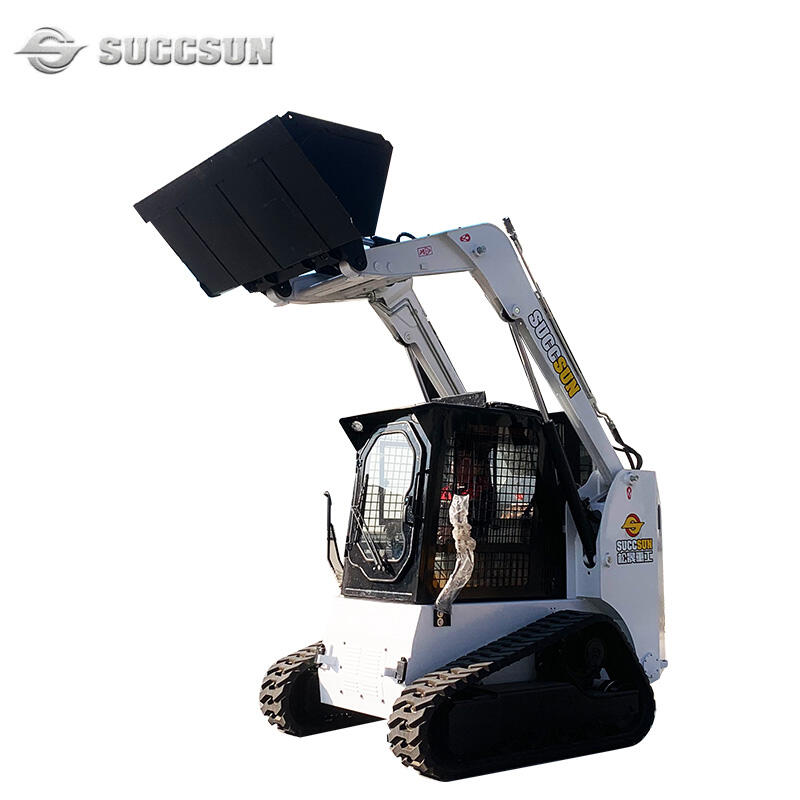
Electric mini loaders are completely reshaping the competitive landscape of the material handling industry. As global emissions regulations continue to tighten (such as the US EPA Tier 5 and EU Stage V standards), traditional diesel equipment faces increasingly stringent operating restrictions. The zero-emission characteristics of electric mini loaders enable them to break into previously restricted work zones—operating seamlessly in enclosed warehouses, cold chain storage facilities, and sensitive areas such as hospitals and schools—while avoiding carbon tax penalties of up to $500 per ton (e.g., in California and the EU), opening up new bidding opportunities for contractors in emerging urban projects valued at over $200,000.
In terms of economic benefits, electric models can achieve a 55% reduction in lifecycle costs. Based on average U.S. energy prices, the hourly energy cost of an electric loader is just $1.26, a significant decrease from the $8.50 cost of a diesel model. Additionally, it eliminates the need for complex maintenance such as filter replacement and exhaust treatment fluid refills, with a single battery replacement taking less than 5 minutes, thereby increasing the overall utilization rate of the equipment by over 40%. Practical cases from Land Technology Solutions Company demonstrate that equipment conversion directly drives municipal project contracts worth millions of dollars, validating the commercial leverage value of green equipment.
From a strategic value perspective, this represents a restructuring of the construction machinery value chain. As 90% of global Fortune 500 companies set ESG targets, electric loaders have become a key node in supply chain decarbonization—their solar-compatible charging capability supports off-grid operations and meets sustainable certification requirements for construction sites. More importantly, the resale value of electric equipment is 15-30% higher than diesel models, aligning with the trend of diesel equipment bans being implemented in over 30 cities like London and Toronto, directly avoiding the asset depreciation risk of premature equipment scrapping.
Technological breakthroughs have addressed long-standing industry pain points: a 1,500-3,000 PSI hydraulic system matches diesel power while achieving an ultra-narrow 36-inch width, overcoming access restrictions in older factory facilities; intelligent control modules reduce training cycles by 70%, enhancing corporate human resource flexibility amid labor shortages. These innovations have transformed electric micro loaders from an “alternative option” into a strategic tool for engineering management.
 EN
EN