The Strategic Value of Electric Mini Skid Steer Loaders
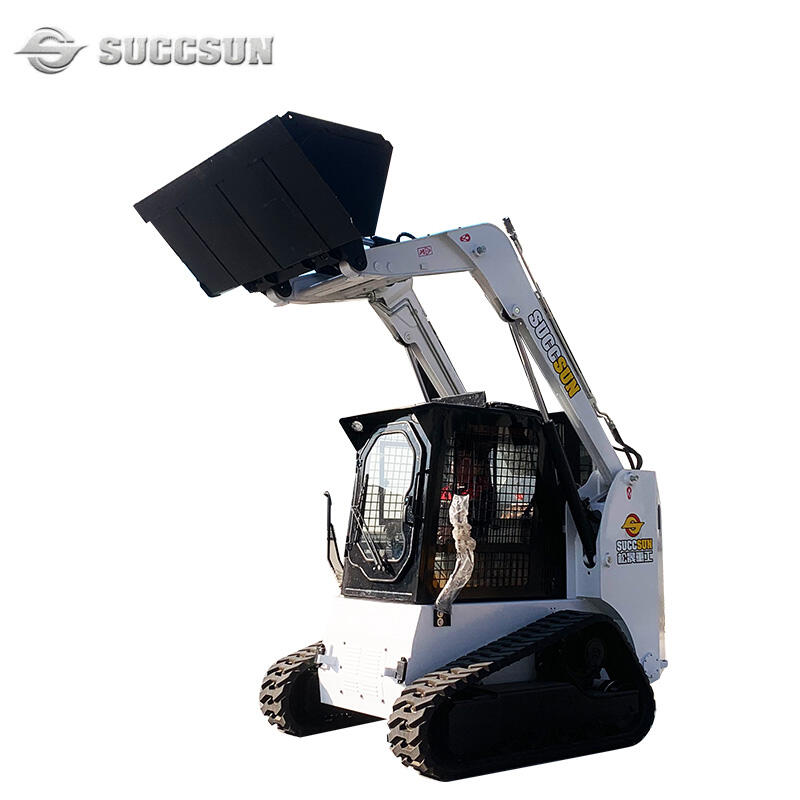
Electric mini skid steer loaders are redefining industry standards for compact construction equipment, with their core value lying in overcoming the operational limitations and cost structures of traditional equipment. As over 30 major cities worldwide (such as New York and Los Angeles) implement bans on diesel equipment and carbon emissions regulations become increasingly stringent, these zero-emission machines have become a key credential for contractors to secure critical projects. They can legally operate in sensitive areas such as hospitals, schools, and historic districts, completely eliminating the legal risks associated with noise and exhaust emissions from traditional diesel equipment. For example, in a landscape engineering project in Chicago, the contractor replaced three diesel units with electric models, not only avoiding a potential $50,000 emissions fine but also extending daily working hours by three hours in noise-restricted zones.
From an economic perspective, electric models have created a disruptive cost structure. Based on actual operational data, each machine can save over $18,000 in fuel costs annually (electricity costs are only 8% of diesel costs) and reduce routine maintenance expenses by $4,200 (no need to replace oil, filters, or handle exhaust systems). More importantly, its instant torque characteristics outperform hydraulic systems in low-speed conditions (such as digging in narrow spaces or lifting heavy objects), and combined with the fast-charging technology of removable battery packs (<2 hours to full charge), equipment utilization is increased by over 15%.
Deeper competitiveness lies in future asset preservation and brand premium. In municipal and commercial tenders, contractors with electric equipment have a 37% higher bid success rate (according to the 2024 Construction Technology Report), while avoiding asset depreciation caused by policy-driven phase-out of traditional diesel equipment. The built-in remote monitoring system further optimizes asset utilization—real-time tracking of battery health, location, and operational efficiency reduces theft risks and enables precise scheduling of equipment deployment.
 EN
EN