
West of the road,southern end of Linjin Road (Industrial 5 Road) in the eastern new area of Ningjin County, Dezhou City, Shandong Province +86-15628665777 [email protected]
Forklifts: Strategic Assets Driving the Efficient Operation of Modern Industry
In today's highly competitive industrial environment, forklifts have long transcended the realm of ordinary equipment to become core tools for enterprises to reduce costs and improve efficiency. By replacing six or more manual laborers, a single forklift can reduce labor costs by up to 70% while compressing cargo loading and unloading times from hours to minutes, completely eliminating delays and bottlenecks in warehouse logistics operations. Especially in space-constrained operational scenarios (such as narrow-aisle warehouses), specialized forklifts can perform precise operations that traditional machinery cannot achieve, increasing vertical space utilization by 30% and directly reducing facility rental costs.
Industry Adaptability and Multi-Dimensional Value Creation
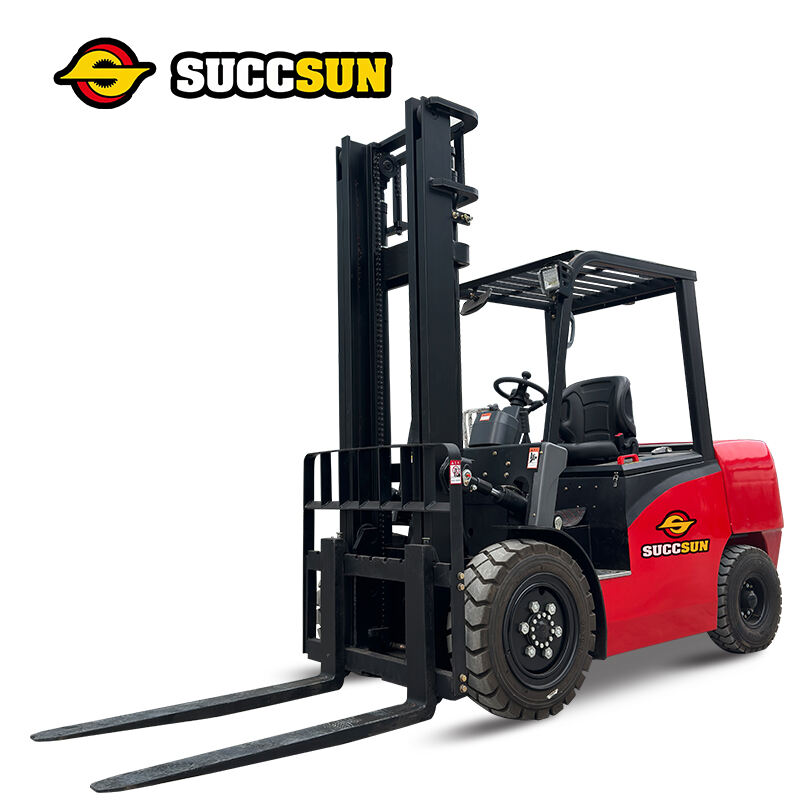
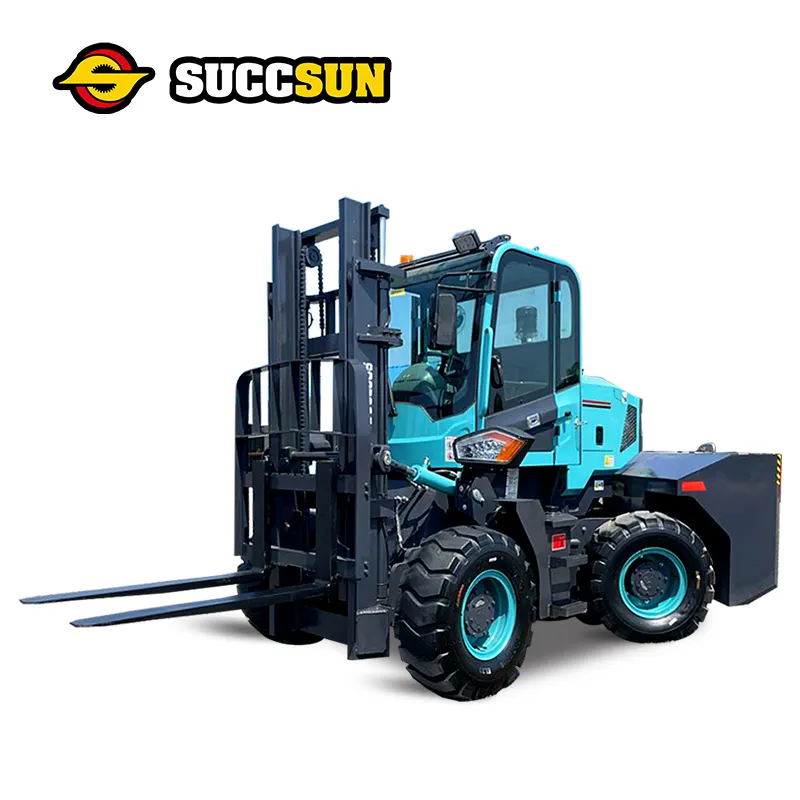
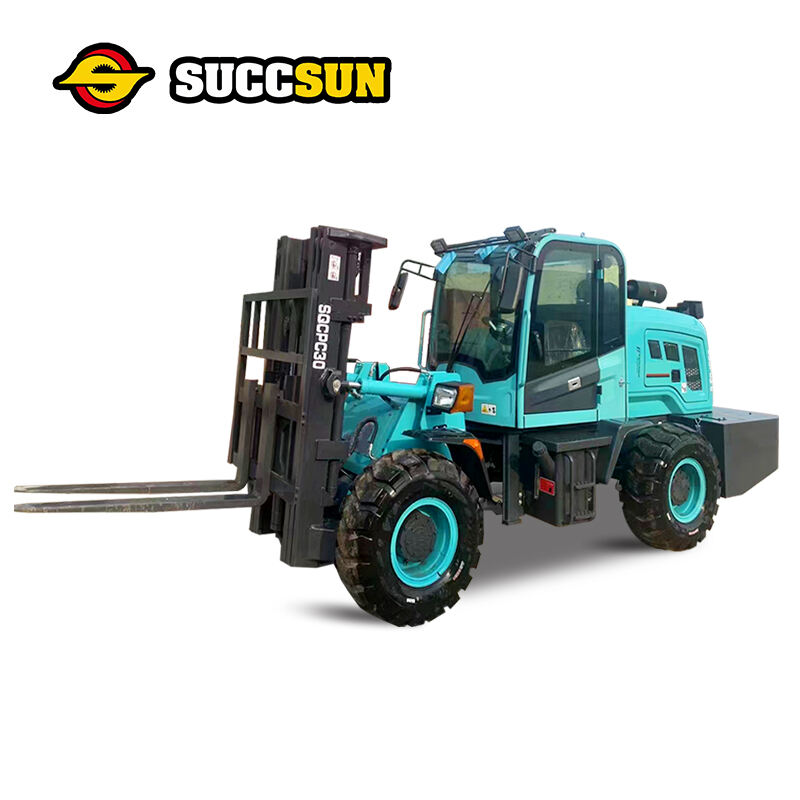
From high-speed pallet transfer in warehousing and logistics centers to dust-free handling of precision components in manufacturing; from handling heavy materials on rugged construction site terrain to round-the-clock loading and unloading operations at port container terminals—forklifts meet all-scenario demands through differentiated model designs. During peak seasons in retail when warehouses are overwhelmed, electric forklifts can operate continuously for 16 hours to support high-frequency restocking; in high-risk industries like chemicals, explosion-proof forklifts equipped with stability systems reduce OSHA accident rates by 52% (U.S. Occupational Safety and Health Administration data). This cross-industry problem-solving capability makes them an indispensable infrastructure for supply chains.
Hidden long-term return on investment
Purchasing decisions should go beyond the unit price of the equipment: electric forklifts reduce energy costs by 40% compared to fuel-powered models; governments offer tax credits for new energy vehicles (e.g., the U.S. IRC 45X provision); smart forklifts with remote monitoring systems can reduce unexpected downtime losses by 23% through predictive maintenance. More importantly, certified used forklifts can provide equivalent performance at 20% of the price of new models, enabling small and medium-sized enterprises to quickly achieve production capacity upgrades. According to a survey by Logistics Management, after transitioning to Class II electric forklifts, companies saw a 22% reduction in total cost of ownership (TCO) over three years, validating the logic of transforming forklifts from a “cost item” to a “profit engine.”