The Strategic Significance of Forklift Pricing: A Core Operational Decision Impacting Corporate Profitability
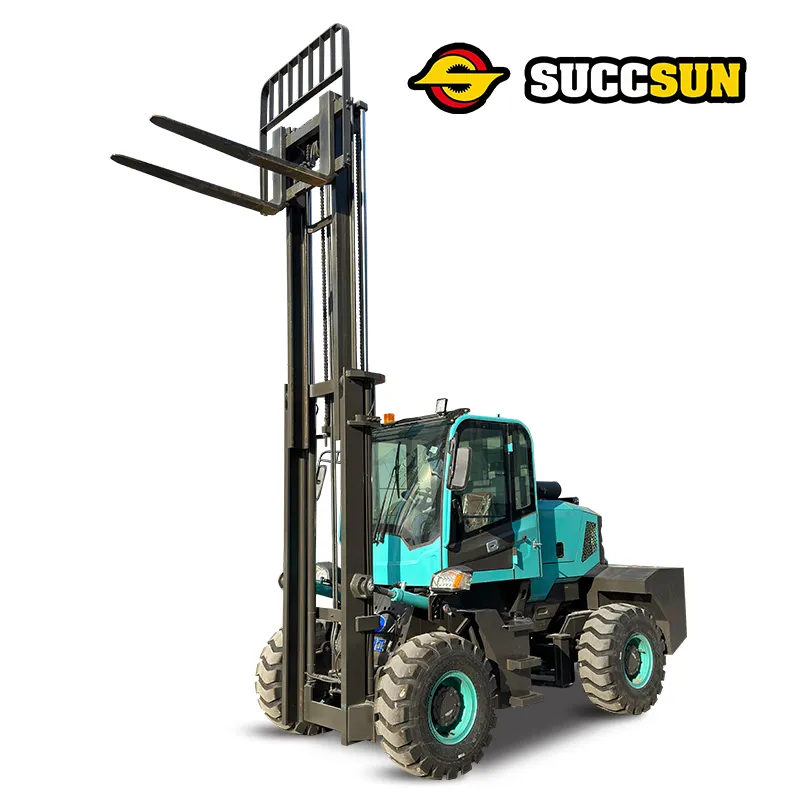
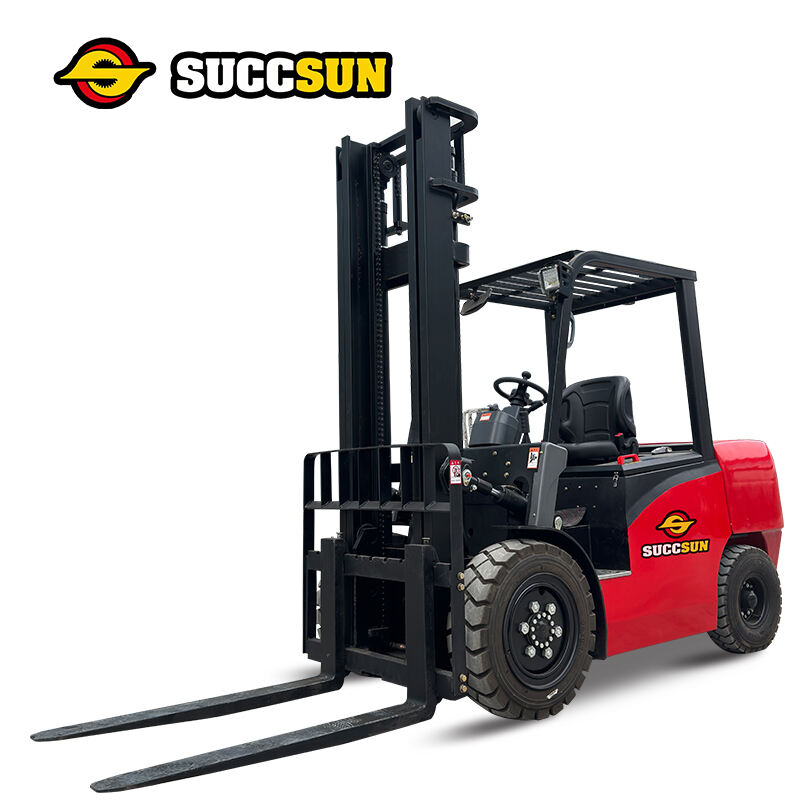
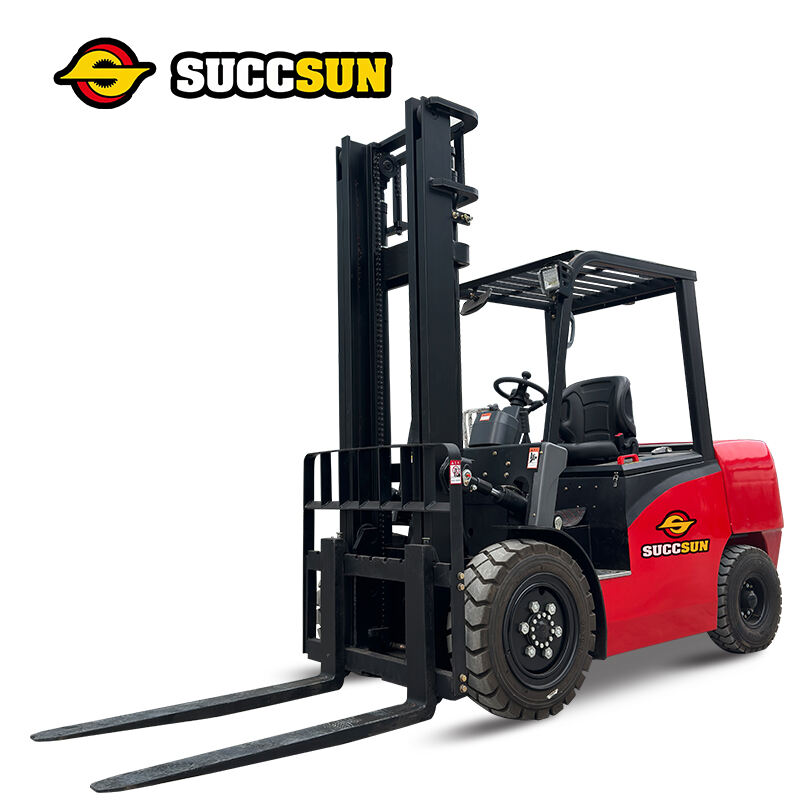
In industrial equipment procurement, forklift pricing is far more than a simple product price tag; it is a core variable that directly impacts a company's cash flow, operational efficiency, and compliance and safety standards. As a critical asset in warehousing and manufacturing operations, forklifts typically account for 5%-15% of a company's annual equipment budget, with individual units costing between $20,000 and $80,000—a direct indicator of capital utilization efficiency. For example, choosing a low-cost diesel forklift (initial cost $22,000) over a high-cost electric model ($28,000) may seem to save $6,000 upfront, but the differences in fuel and maintenance costs actually create hidden risks— —Diesel forklifts consume over 3,500 units of energy annually, 80% higher than electric models, and with an additional 25%-30% in maintenance expenses, the annual loss exceeds $4,200.
Even more concerning are the hidden cost pitfalls. Equipment sourced through unverified channels often lacks OSHA-mandated safety features, with single violations potentially resulting in fines of up to $70,000; and production line downtime caused by malfunctions can cost over $500 per hour. This explains why 79% of logistics managers prioritize total cost of ownership (TCO) as the primary evaluation metric: A 5-ton electric forklift priced at $35,000 can generate over $200,000 in annualized revenue for high-turnover warehouses by improving handling efficiency (processing 8 more pallets per hour), transforming the price into a productivity lever.
In the wave of automation upgrades, forklift pricing models have become a barometer for strategic expansion. Purchasers must precisely calculate between short-term leasing (800–1,500 per month) and long-term ownership to avoid capital idleness or insufficient operational capacity. Supply chain data from 2024 indicates that companies misjudging prices and resulting in equipment specification discrepancies face up to an 18% throughput loss—this underscores that optimizing forklift cost structures fundamentally safeguards corporate EBITDA margins.
 EN
EN