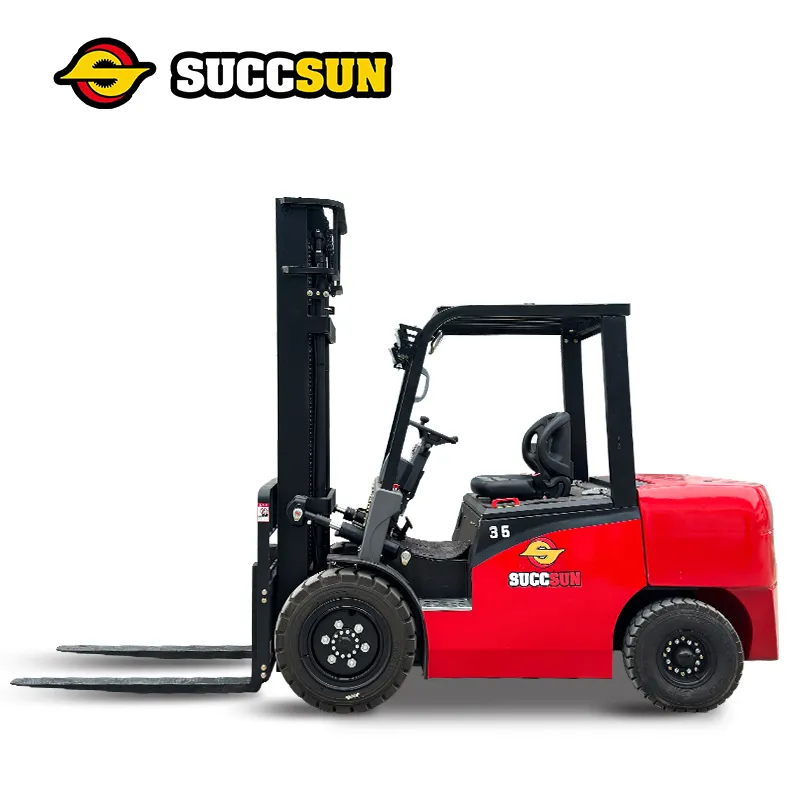
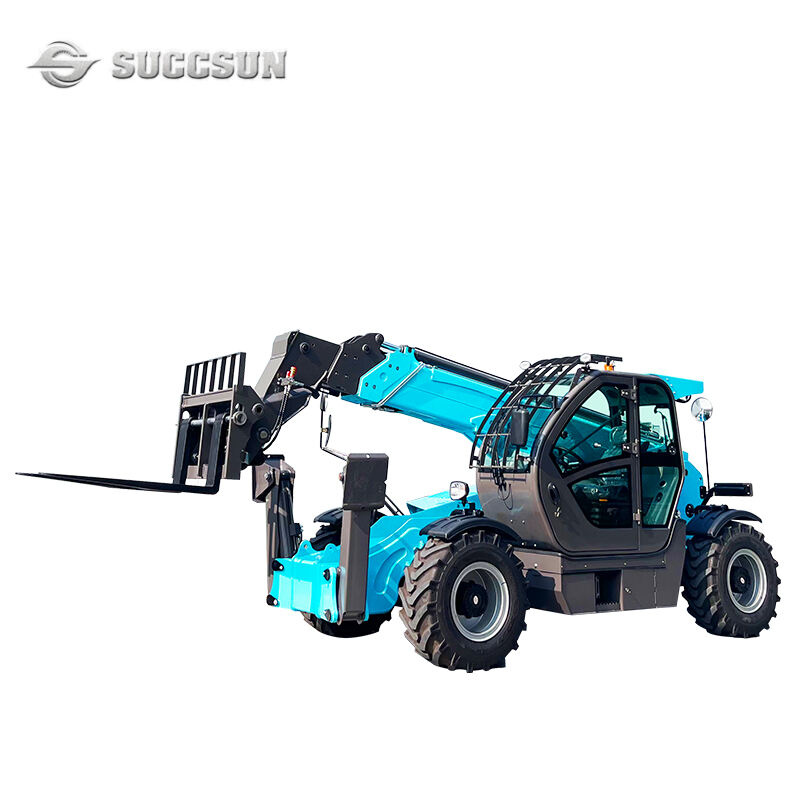
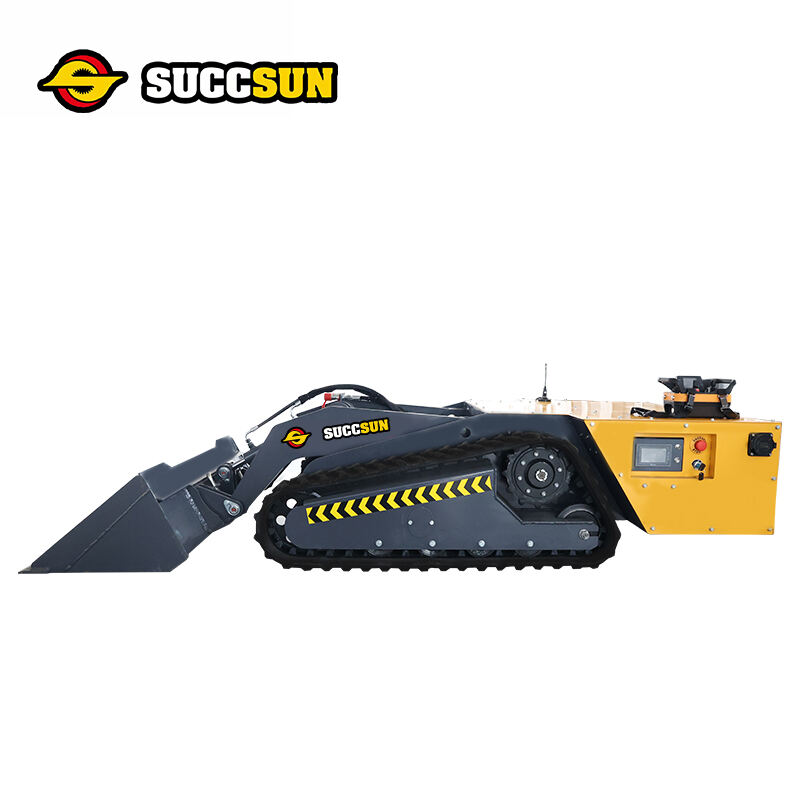
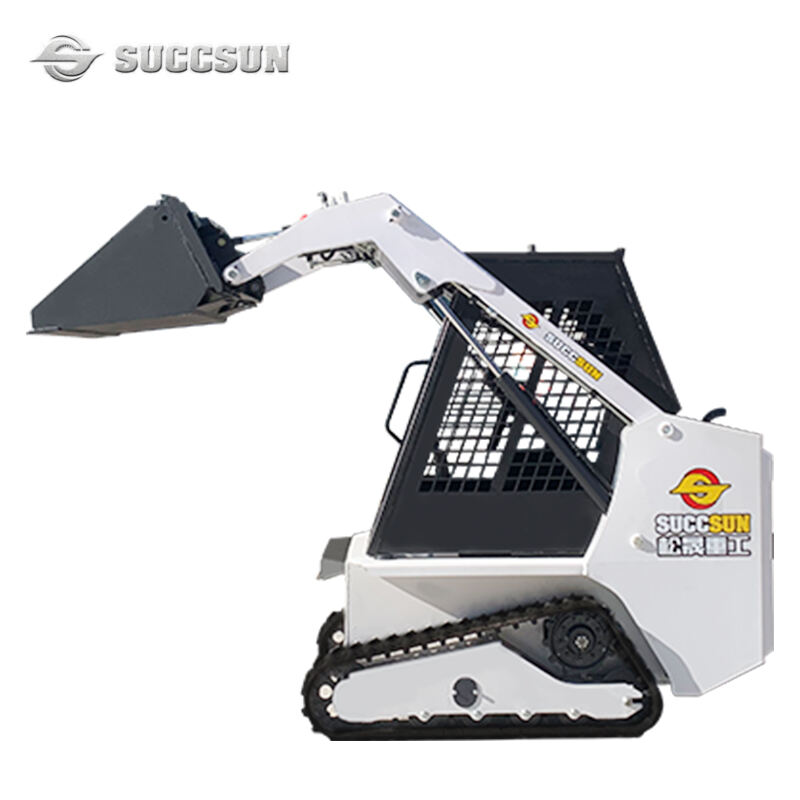
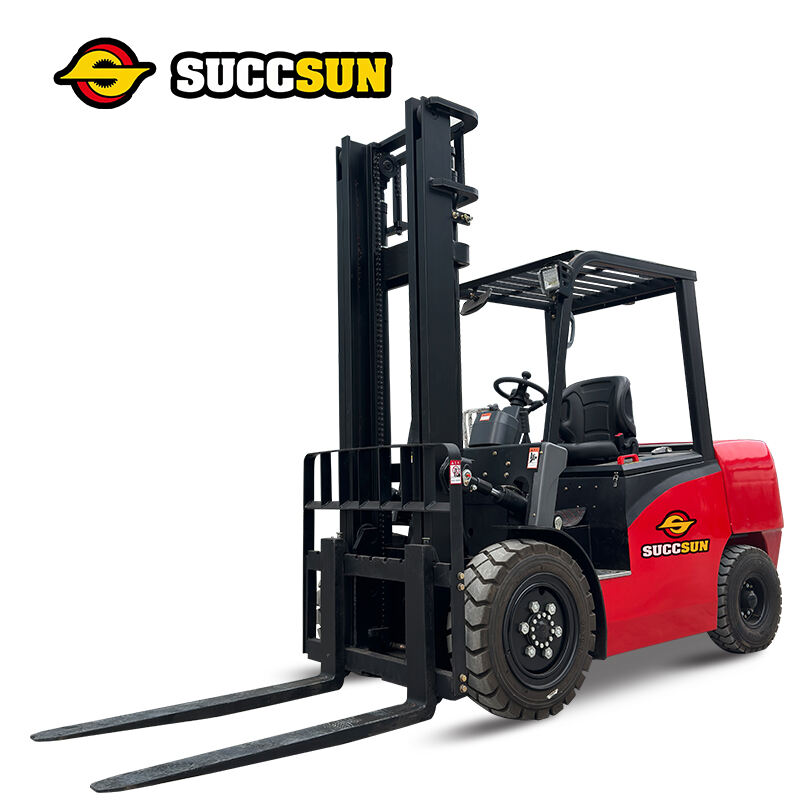
Industrial forklifts, as core equipment in modern logistics and production systems, have strategic value far exceeding that of ordinary handling tools. These heavy-duty machines break through human limitations with their astonishing load-bearing capacity of 3,000 to 50,000 pounds, undertaking irreplaceable material handling tasks in manufacturing, ports, warehouses, and other scenarios. Their industrial-grade protective structures and reinforced chassis designs ensure continuous and stable operation in extreme environments such as high-temperature workshops and rugged construction sites, significantly reducing the risk of production downtime caused by equipment failures.
From an operational efficiency perspective, industrial forklifts have fundamentally transformed productivity models: by achieving material handling speeds 3 to 5 times faster than manual labor, businesses can reduce logistics time costs by over 60%; combined with a vertical lifting capacity of 15-30 feet, warehouse space utilization can be improved by up to 200%, directly offsetting high warehouse rental costs. More importantly, diesel/LPG models support round-the-clock multi-shift operations, while electric models achieve zero-emission operations in closed environments such as cold chain warehouses, meeting ESG compliance requirements.
Safety benefits also constitute a core competitive advantage. Integrated stability systems, anti-tip technology, and fully enclosed cabins reduce workplace injury rates from high-risk heavy lifting by up to 70%. Precision hydraulic control combined with 360-degree visibility design ensures millimeter-accurate positioning even when handling irregularly shaped goods or precision equipment, significantly reducing cargo damage claims.
Industry adaptability further highlights its irreplaceable nature—automotive production lines require explosion-proof forklifts to handle flammable components, port-specific container forklifts can process over 30 standard containers per hour, and cold chain warehouse models designed for low temperatures maintain flexible operation at -25°C. This scenario-based customization capability makes industrial forklifts a universal language across all supply chain links.
In terms of economic benefits, a single piece of equipment can replace the labor costs of 10–15 manual laborers, with most projects recouping their investment within 18 months. With the integration of IoT technology, the next generation of intelligent forklifts provides real-time load monitoring, path optimization, and other data insights, offering decision-making support for lean management. In essence, from raw material intake in factories to finished product loading and shipment, industrial forklifts remain the invisible backbone ensuring the efficient operation of the global commercial system.
 EN
EN