Mini Forklifts: The Industrial Revolution of Space and Efficiency
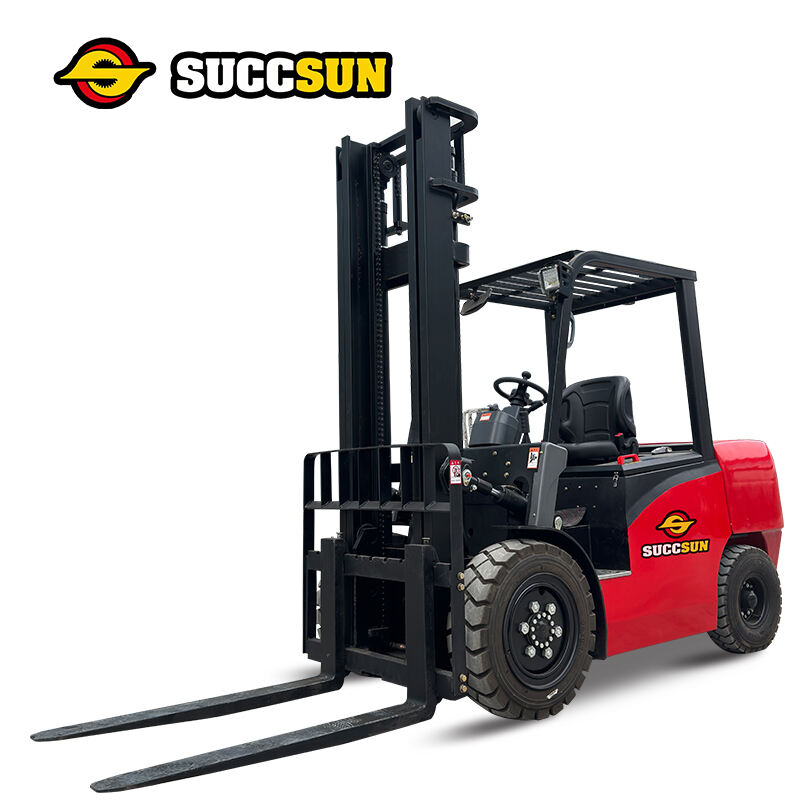
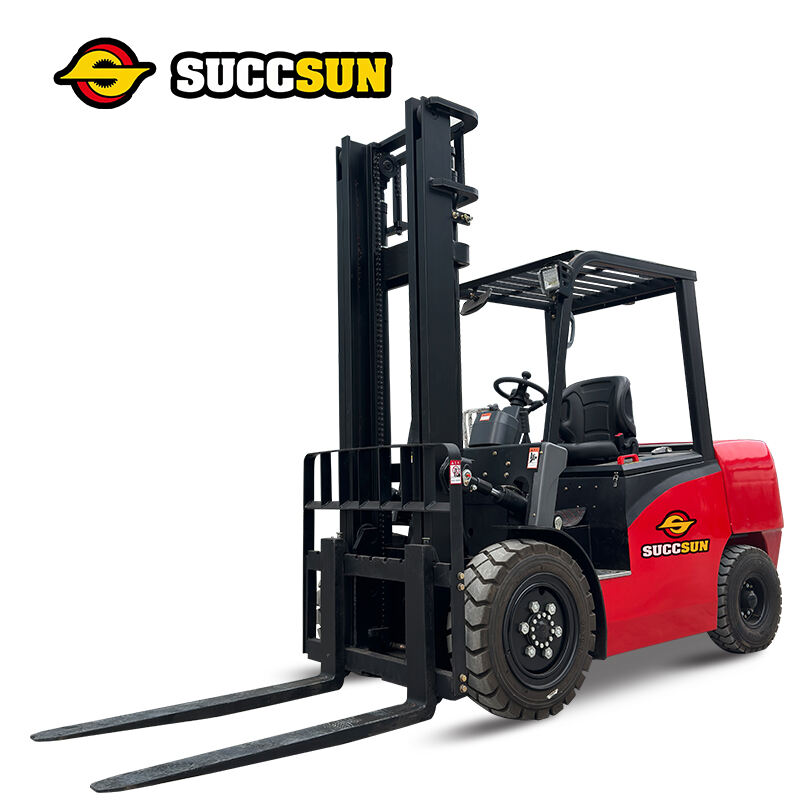
In the context of modern warehousing and manufacturing facing space constraints and efficiency bottlenecks, mini forklifts have evolved from mere “small alternative equipment” to strategic-level logistics solutions. Their core value lies in transforming the physical limitations that traditional forklifts cannot overcome into a competitive advantage—with a minimum body width of 35 inches and a 90-degree turning radius of less than 5 feet, mini forklifts can navigate freely in scenarios where standard equipment requires a 12-foot aisle. This breakthrough design directly frees up to 25% of unused vertical space in warehouses, enabling businesses to achieve the equivalent of an additional quarter of warehouse capacity without the need for expansion.
Its multi-scenario penetration capability further highlights its irreplaceable nature: in cold chain warehousing scenarios, the mini forklift's rapid loading and unloading within 3 minutes reduces heat loss caused by opening cold storage doors; in multi-story factories, it can enter and exit freight elevators with a load capacity of only 2,000 pounds, enabling multi-story material handling that traditional forklifts cannot achieve; even in high-traffic areas like retail stores and music festival backstage areas, its quiet operation below 65 decibels makes it one of the few industrial devices that can safely integrate into public spaces. This all-scenario coverage capability, from warehousing centers to urban peripheries, marks the democratization of industrial-grade material handling.
The economic benefits are even more compelling: compared to the $25,000–$45,000 purchase cost of traditional forklifts, the mini forklift's price range of $8,000–$18,000 directly reduces the entry barrier by 60%. More importantly, the ongoing operational benefits—single-shift energy consumption reduced from 15–20 kWh to 3–8 kWh, combined with annual maintenance costs dropping from $1,500 to $600—result in a 74% reduction in total operational costs over a three-year period. For small and medium-sized businesses, this means a single unit can recoup the investment in upgrading their logistics system.
In the face of increasingly stringent environmental regulations, the all-electric mini forklift proactively mitigates regulatory risks. Its zero-emission characteristics directly meet EPA indoor air quality standards, avoiding the renovation costs associated with OSHA's mandatory ventilation requirements. When cities like New York implement decibel-based nighttime operation bans, the low-noise design becomes a pass for round-the-clock operations. This regulatory foresight makes investing in mini forklifts a key infrastructure choice for businesses seeking to build sustainable supply chains.
From transporting potted plants in agricultural nurseries to delivering parts in automotive factories, and positioning stage equipment in concert venues, mini forklifts continuously expand their application boundaries through modular attachments (rotating clamps, box forks, drum clamps, etc.). These characteristics—spatial penetration, cost innovation, and scenario universality—are driving a silent logistics revolution, enabling new business models such as urban micro-warehouses, vertical factories, and on-demand delivery centers, fundamentally redefining the spatial value perception of the industrial era.
 EN
EN