
West of the road,southern end of Linjin Road (Industrial 5 Road) in the eastern new area of Ningjin County, Dezhou City, Shandong Province +86-15628665777 [email protected]
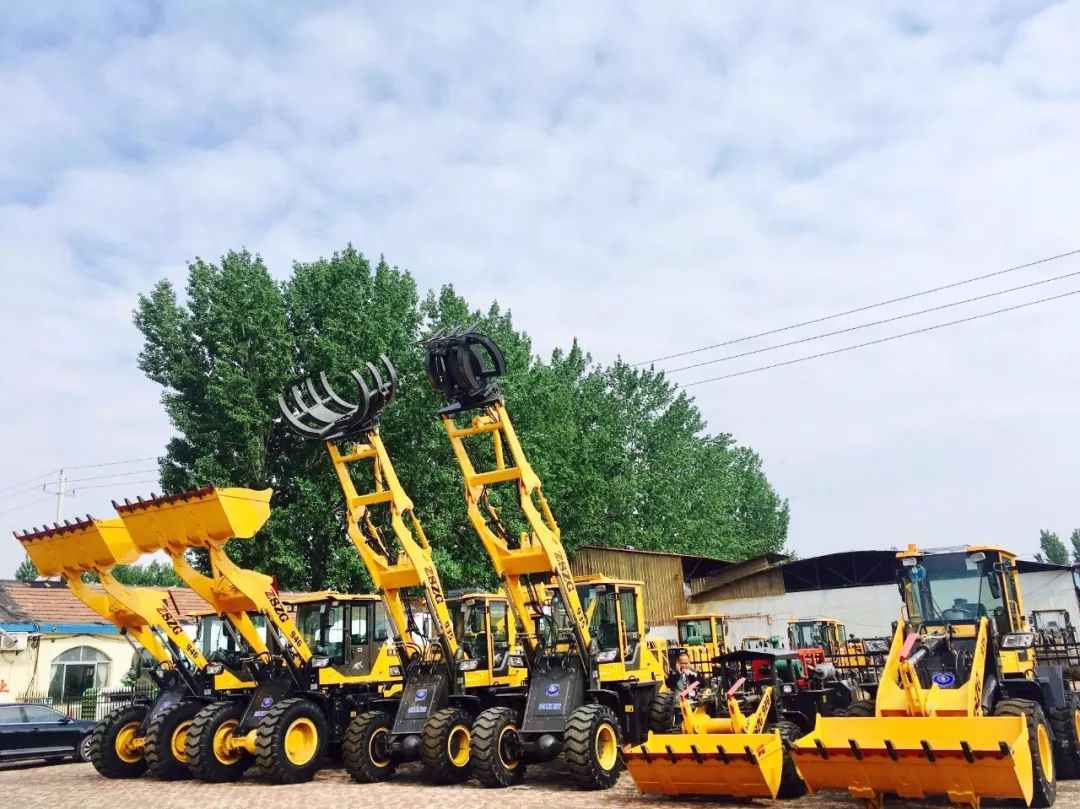
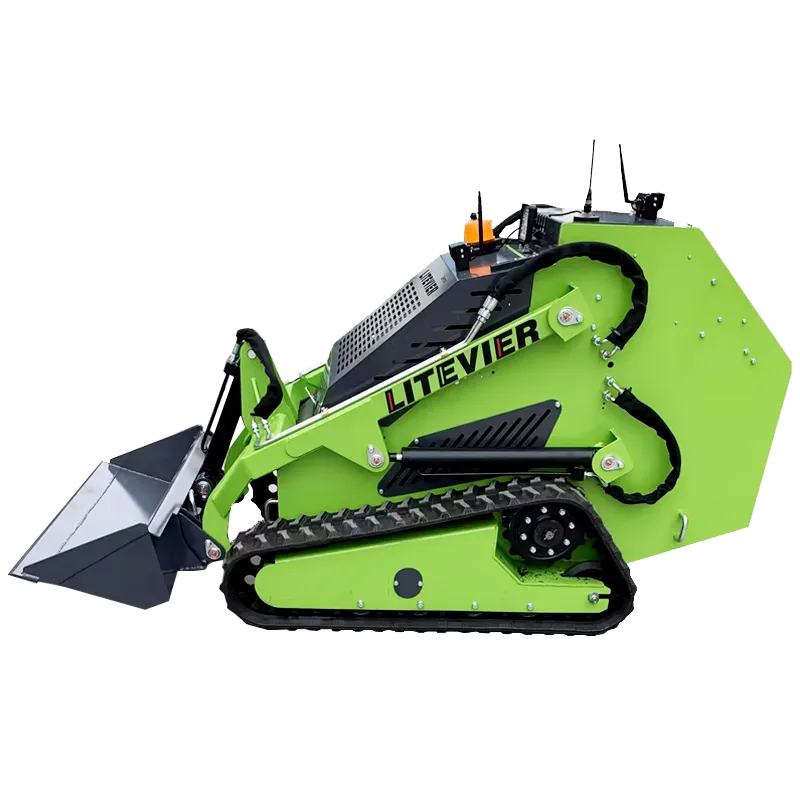
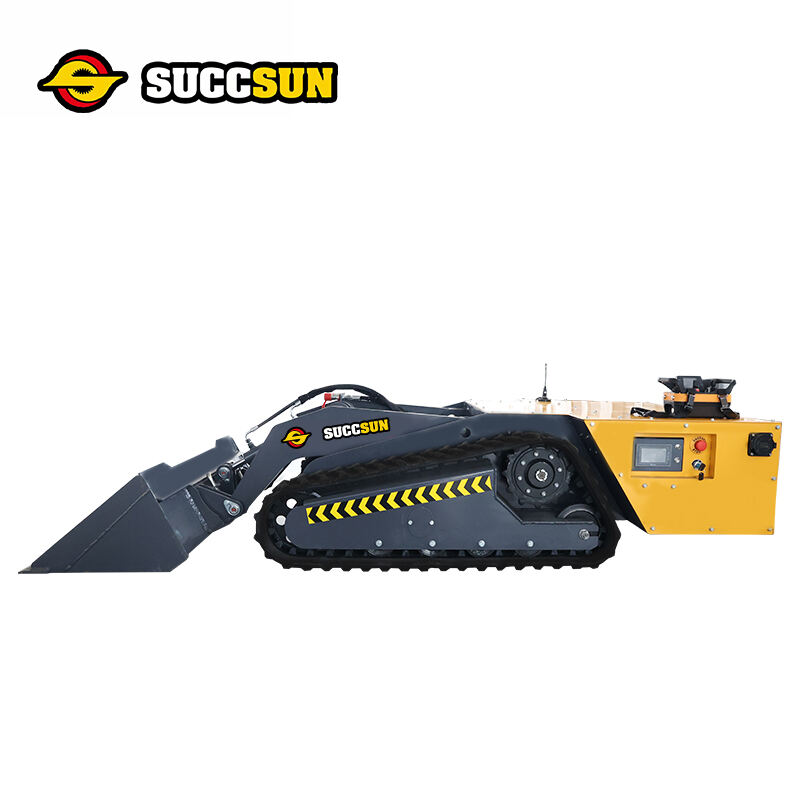
In today's high-risk industrial sectors, remotely controlled front-end loaders have evolved from technological innovations into the core driving force of industry transformation. This equipment, equipped with an advanced wireless control system, completely liberates operators from hazardous environments such as demolition sites filled with toxic gases, flammable and explosive chemical zones, and unstable mining areas, fundamentally eliminating the risks of personnel facing collapse hazards, mechanical injuries, or exposure to harmful substances. Its revolutionary significance lies in redefining operational standards in high-risk environments—operators can precisely perform material handling, debris clearance, and heavy-duty loading tasks from a safe zone 500 meters away, reducing the probability of accidents to near zero.
This technological breakthrough also brings significant efficiency improvements. By integrating industrial-grade hydraulic systems with 2.4GHz long-range control technology, the equipment can operate continuously for 8 hours without interruption in dust-filled waste transfer stations, far exceeding the physiological limits of human operators. Through millimeter-level precision bucket control and a rapid attachment switching system, a single machine can replace three to five workers in performing high-intensity tasks such as steel slag sorting and tunnel excavation support material transportation. This not only reduces labor costs by over 60% but also accelerates project progress in toxic environments by more than double.
Its robust adaptability to various scenarios is redefining operational models across multiple industries. While disaster response teams use it for contactless search and rescue in collapsed rubble, steel mills are leveraging models equipped with electromagnetic suction cups to efficiently recover high-temperature metal scrap. Following winter blizzards, the same equipment fitted with snow-clearing modules has been deployed to clear snow from airport runways overnight. From gravel sorting in mines to cleaning contaminated areas in nuclear power plants, this equipment with “mechanical replacement of human labor” capabilities is establishing new safety benchmarks and efficiency standards for high-risk operational scenarios—this is not merely an upgrade of tools but a significant leap in industrial safety ethics.