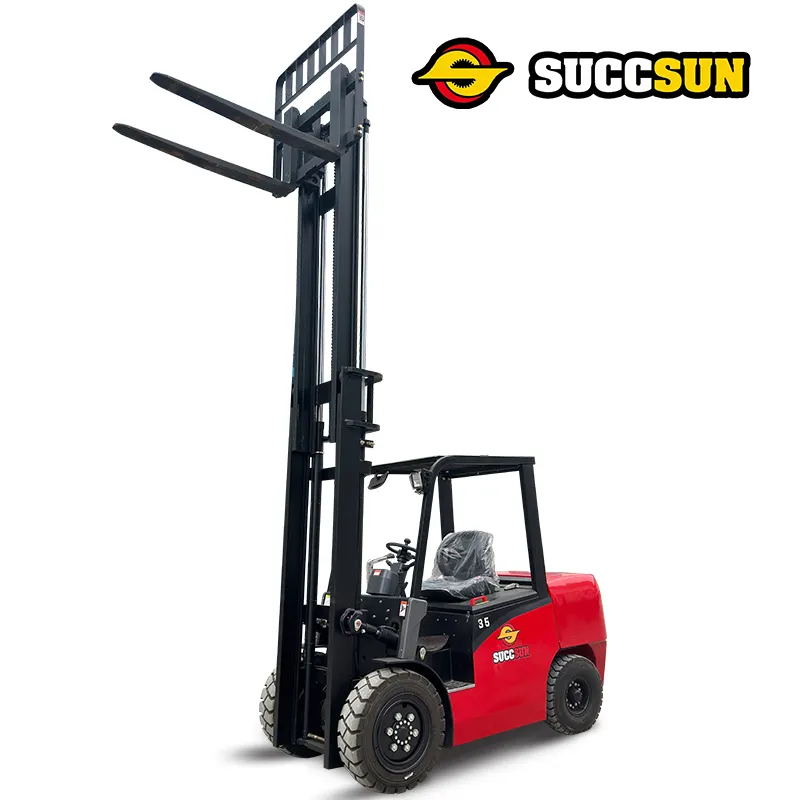
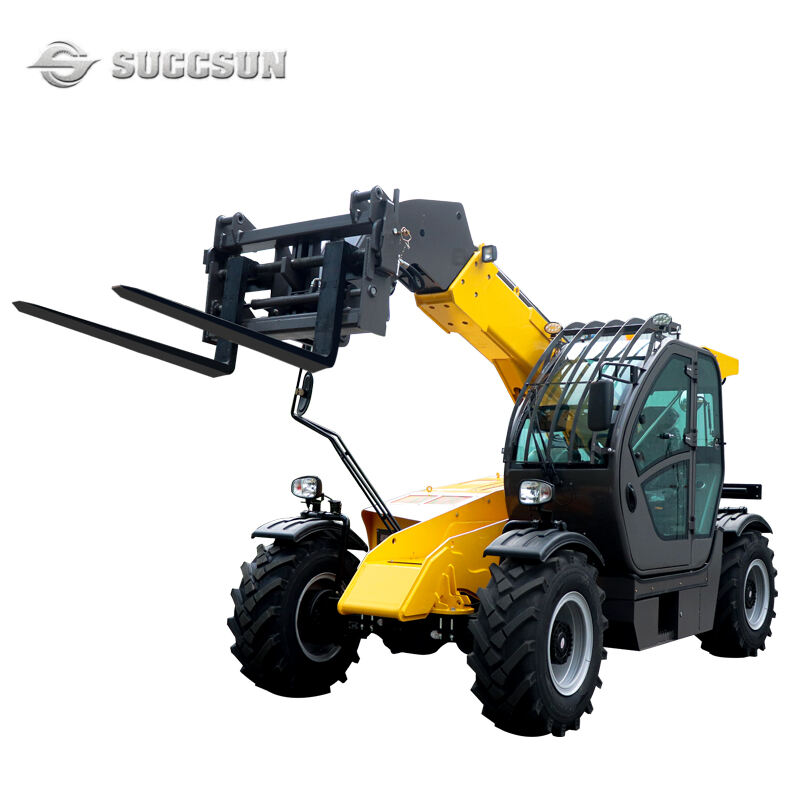
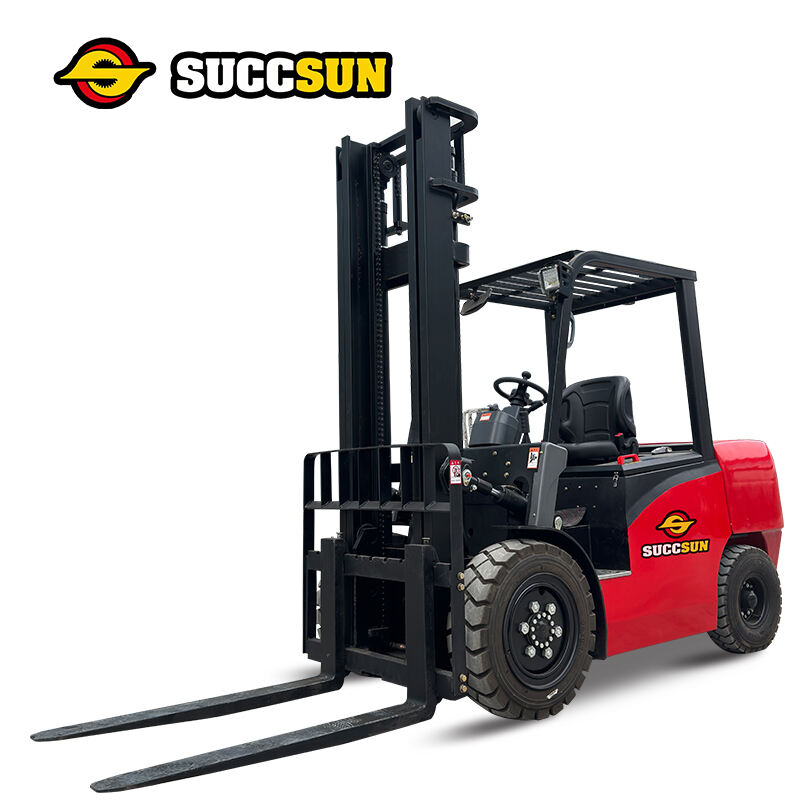
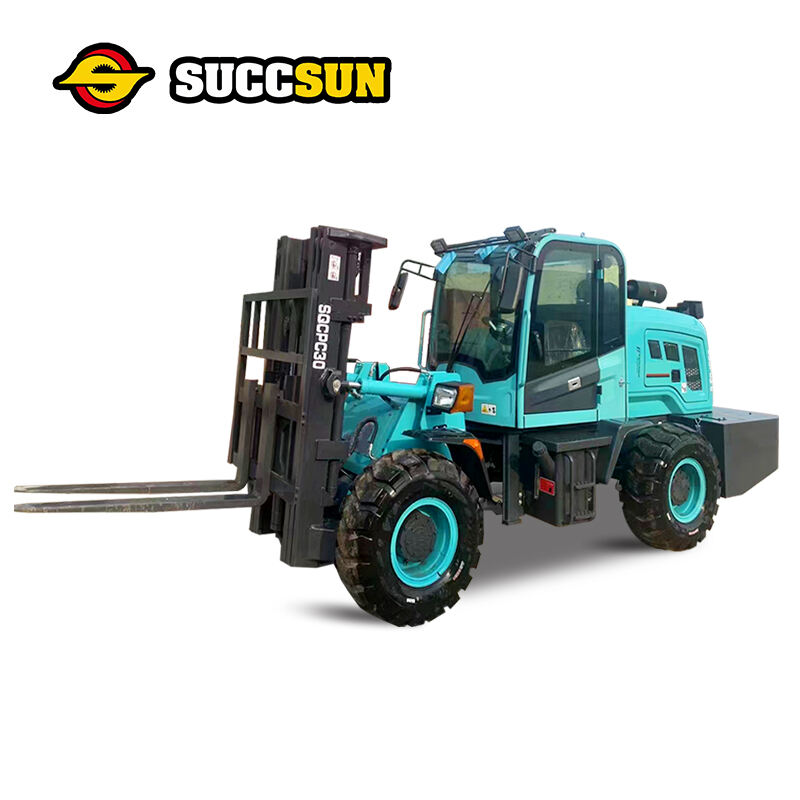
Taming the Toughest Terrains: The Broad Industry Applications of Rough Terrain Telescopic Handlers
In demanding industries such as construction, heavy industry, agriculture, and infrastructure development, traditional equipment often falls short when the terrain becomes rugged and uneven. The Rough Terrain Telescopic Handler (RTTH), engineered specifically to conquer unstable, uneven, and challenging terrain, is far from a niche solution—it represents a rapidly growing category of critical importance to modern productivity, safety, and versatility. Its application prospects are vast and dynamic, deeply embedded across multiple core sectors.
In the construction sector, the demand for RTTH is firmly established. On construction sites with muddy, rutted, gravelly, soft sandy, or excavated terrain, traditional forklifts or telescopic handlers simply cannot operate safely or efficiently. The RTTH, with its robust four-wheel drive, enhanced suspension system, and optimized weight distribution, provides critical stability on the most unstable ground. They can effortlessly lift block pallets, bundled lumber, roofing materials, windows, HVAC equipment, and even scaffolding to great heights, even when traversing muddy paths or crossing gullies without waiting for site leveling. The telescopic boom's capabilities allow materials to be precisely placed above obstacles or in narrow, space-constrained areas, far exceeding the operational range of standard forklifts. More importantly, as a versatile attachment hub, the RTTH can replace multiple single-function devices by quickly switching attachments (from buckets and forks for site leveling and material handling, to aerial work platforms for safe high-altitude operations, and specialized lifting equipment), significantly streamlining site processes and reducing costs.
In the agricultural and forestry sectors, RTTH is a key driver of productivity in remote areas. It is essential for continuous material handling throughout the year, such as loading hay bales into elevated storage racks within muddy fences, handling large agricultural products (e.g., fiber bales, bulk feed bags), and moving heavy equipment across vast, poorly maintained farmland. During harvest season, RTTH can efficiently load and unload agricultural products (containers, pallets) directly in fields, orchards, or forest areas, easily navigating unpaved terrain such as soft soil, crop residues, or forest floors. Additionally, farm maintenance and infrastructure construction, such as installing grain silos, transporting fence materials, lifting equipment for repairs, and clearing storm debris from pastures, heavily rely on the RTTH's operating height and exceptional off-road capabilities.
In large-scale industrial applications and logistics, the RTTH's use has long surpassed traditional warehouse applications. Wood yards, metal recycling centers, pipeline storage facilities, and stone/brick suppliers' yards often have unpaved, uneven, or debris-filled surfaces, making RTTH the ideal choice for handling heavy, large-scale materials in such environments. In port and terminal operations, RTTH is active in unpaved transfer areas between ships, railways, and trucks. Internal transport roads or yards within large heavy industrial sites (such as steel mills, foundries, and power plants) often face harsh or contaminated conditions, where RTTH provides critical material handling capabilities. Especially in remote project sites, including mining support, oil and gas exploration camps, and renewable energy (wind/solar) facility construction, RTTH’s versatility makes it a core asset for logistics support and equipment installation tasks in environments lacking stable infrastructure.
 EN
EN