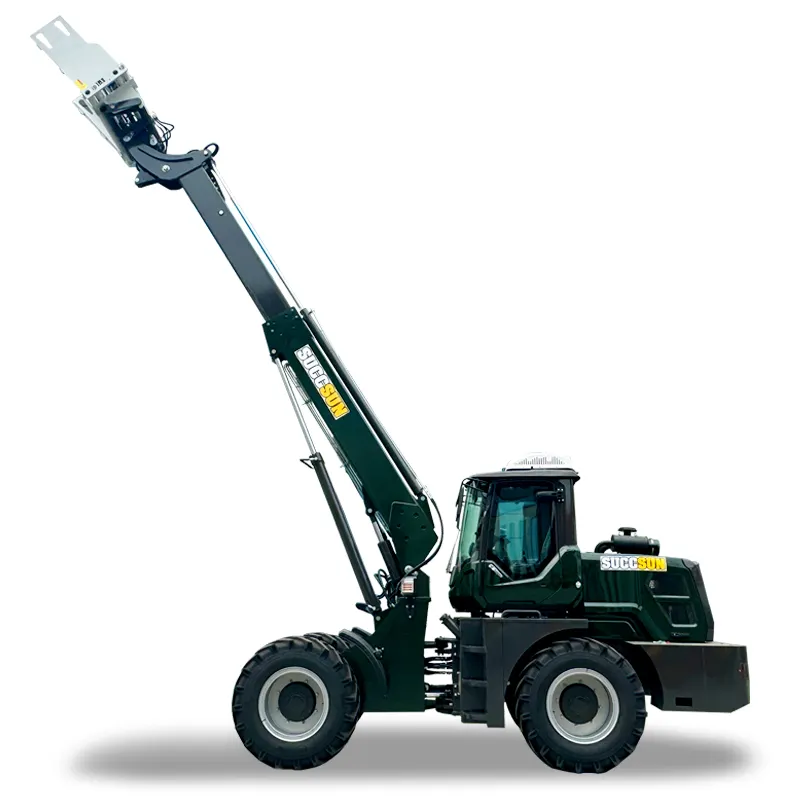
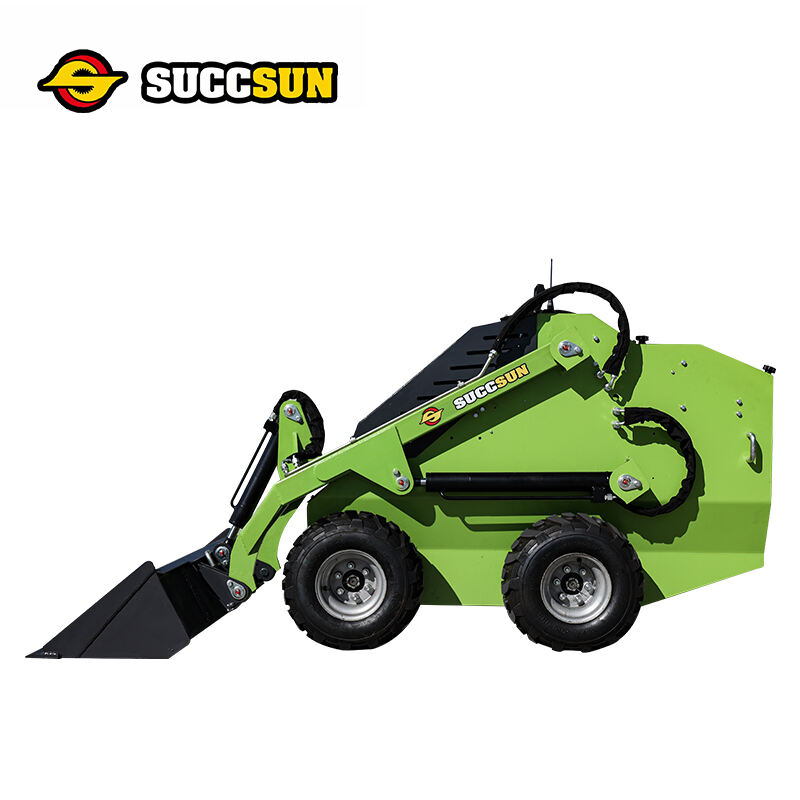
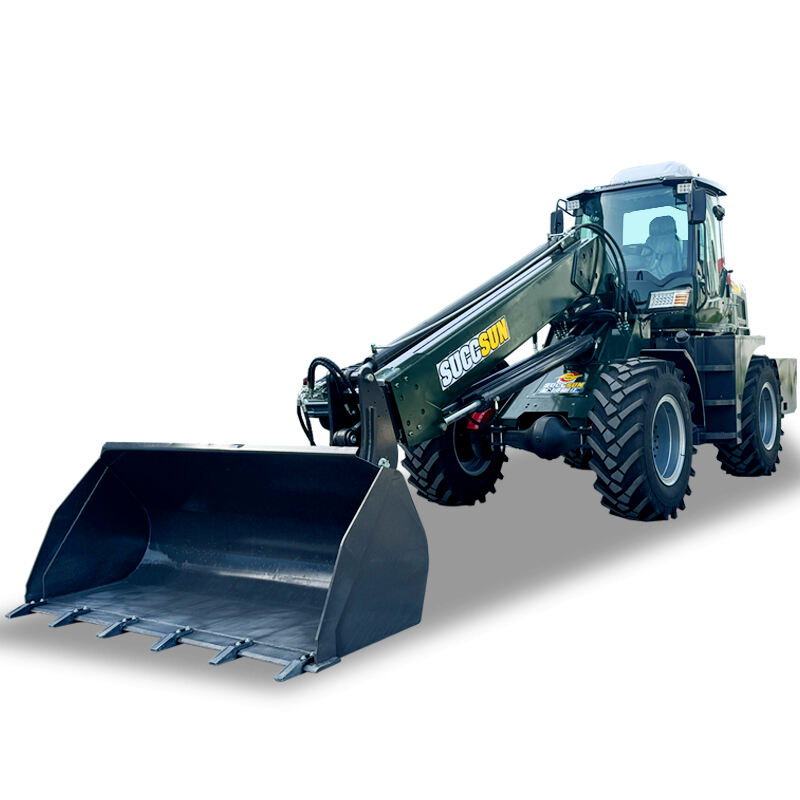
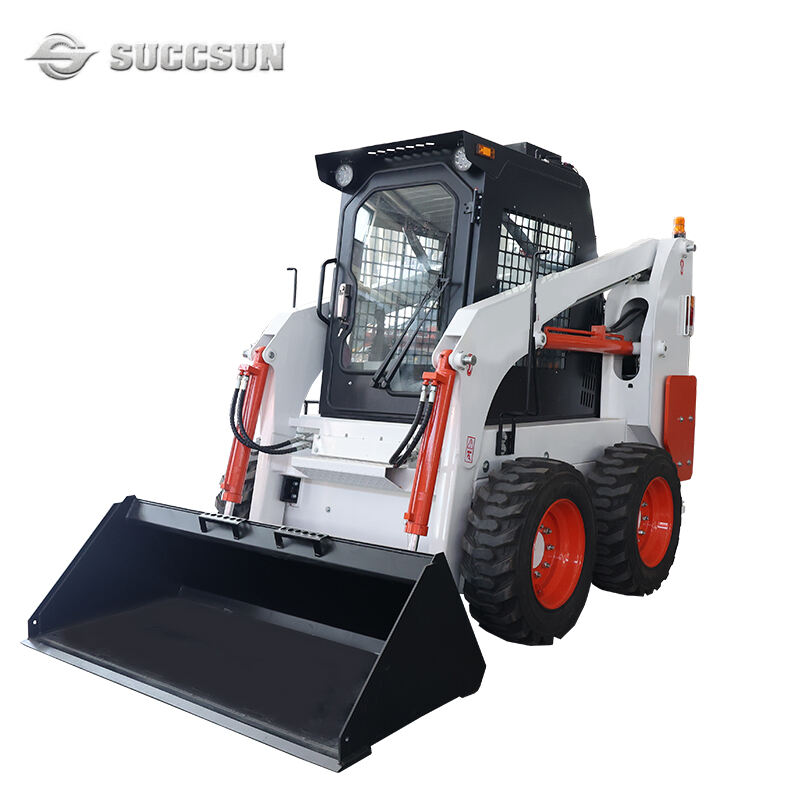
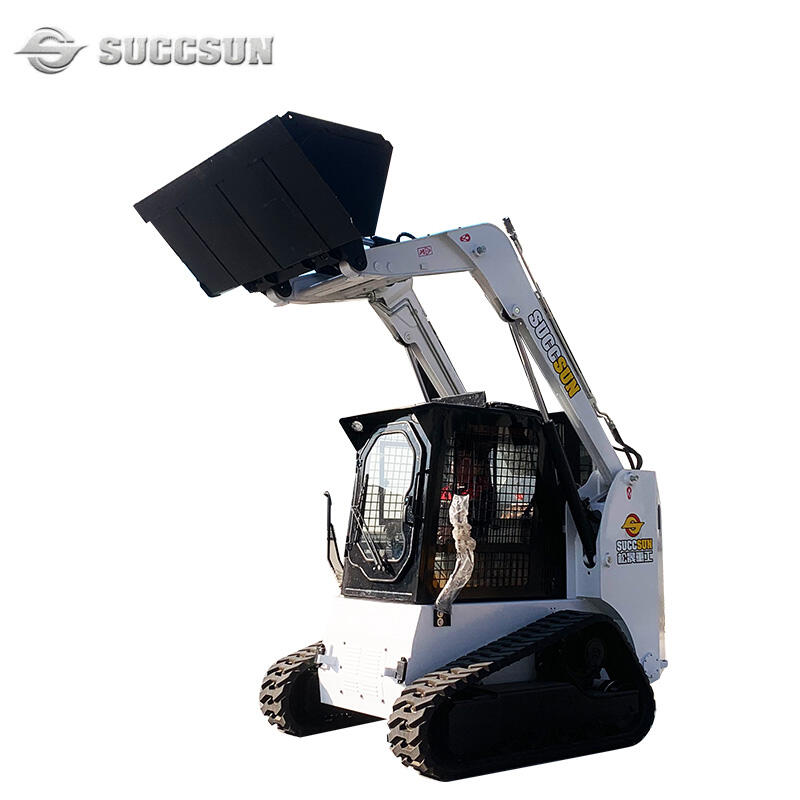
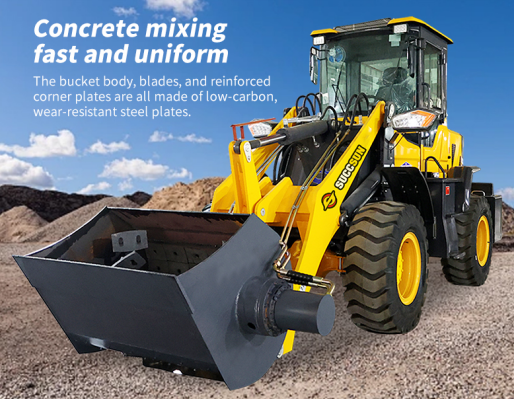
The bucket of a skid steer loader is the cornerstone of the machine's productivity and the most frequently used attachment, far surpassing the importance of ordinary components. As the foundational tool for material handling, it directly determines the machine's core functional capabilities—whether it be earthmoving, sand and gravel loading, site cleanup, or debris removal and transportation, over 80% of daily operations rely on the bucket to complete. This irreplaceable role stems from three dimensions: engineering efficiency, return on investment, and operational safety.
In terms of efficiency, the bucket's capacity and design directly impact the operational cycle. A large-capacity, low-spill arc-shaped bucket design can reduce the number of back-and-forth operations by 30%; while the reinforced structure made of high-strength wear-resistant steel (such as AR400/500 grade) combined with replaceable cutting edges can withstand rock impacts and metal fatigue in harsh conditions, reducing equipment downtime for maintenance by 40%. When ordinary buckets fail due to deformation or cracking, professional buckets ensure continuous operation through structural reinforcement (end plate welding, stress point reinforcement) to ensure continuous operation and avoid becoming a bottleneck in the workflow.
From an ROI perspective, buckets are the most cost-effective equipment investment for businesses. As an essential accessory with an average daily utilization rate exceeding 90%, its performance directly impacts project profitability: a universal bucket can cover 60% of basic engineering needs, reducing procurement and management costs associated with frequent replacement of specialized attachments (such as snow buckets or rock buckets). High-quality products featuring a modular, replaceable component design (wear strips, cutting edges) may require higher initial investment but have a lifespan over twice that of standard products, significantly reducing hourly usage costs.
In terms of safety, engineering buckets compliant with quick-attach system standards ensure lifting stability through precise counterweighting and mechanical locking, preventing equipment overturn risks caused by material spillage; reinforced edge structures effectively resist sharp object penetration, reducing hydraulic hose damage probability by 50%. Essentially, selecting buckets compatible with the machine model and passing fatigue tests provides dual safeguards for personnel safety and equipment lifespan.
Conclusion: The bucket is the core driver of equipment output value. Investing in professional-grade products (such as 65-grade steel integral forming + localized quenching process) is not merely a cost expenditure but maximizes return on investment by reducing downtime, extending lifespan, and increasing single-operation capacity—every additional cubic meter of material transported directly enhances your profit curve.
 EN
EN