
West of the road,southern end of Linjin Road (Industrial 5 Road) in the eastern new area of Ningjin County, Dezhou City, Shandong Province +86-15628665777 [email protected]
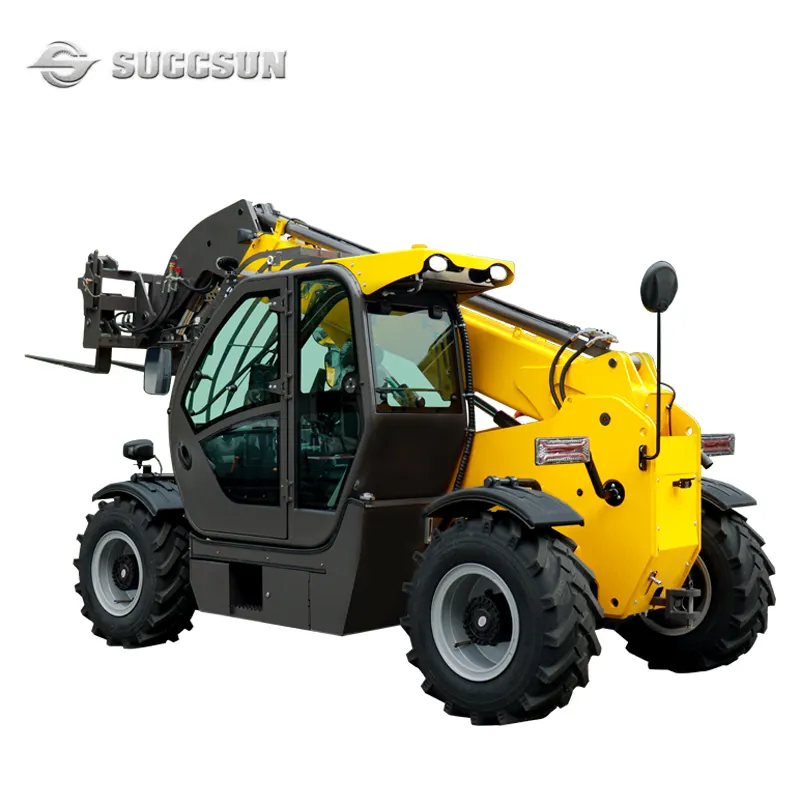
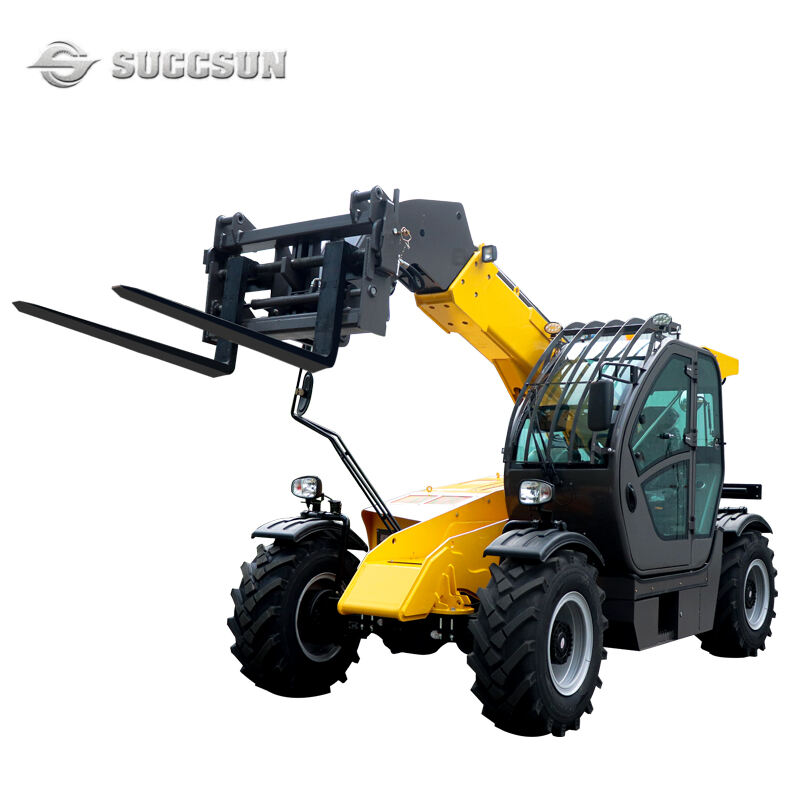
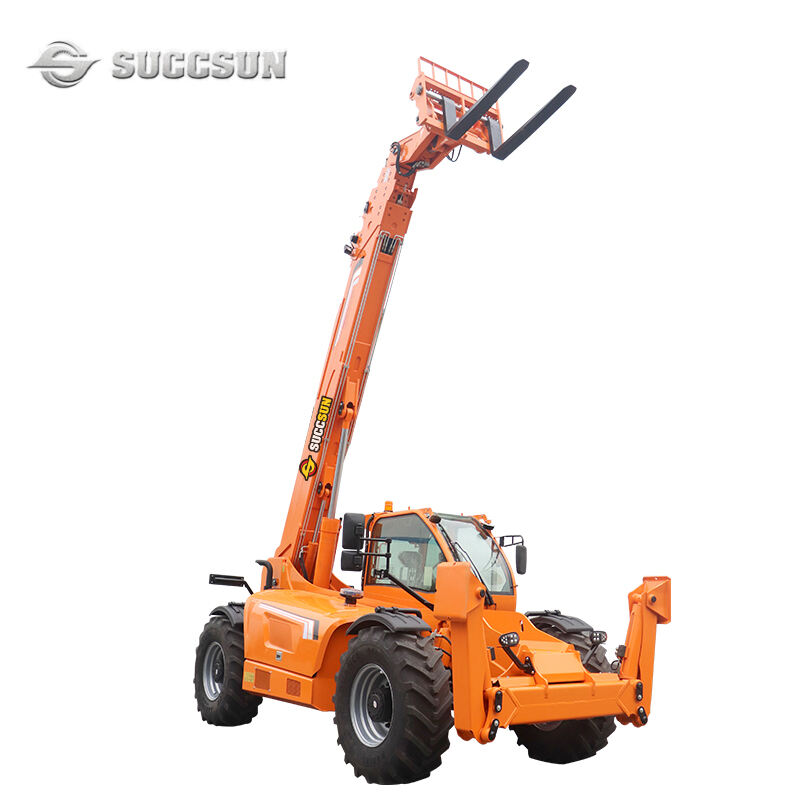
Telescopic boom cranes (also known as telescopic boom forklifts) are steadily penetrating the US construction machinery market at an annual rate of 3.2% (IBISWorld 2023 data). Their core value lies in three key features: a vertical reach of over 60 feet, a maximum lifting capacity of 18,000 pounds, and all-terrain mobility, which are redefining efficiency standards in industrial applications. In the construction sector, this equipment has become a key solution for high-rise material handling, bridge steel structure positioning, and solar power plant panel installation; in warehousing and logistics, it revolutionizes high-rack warehouse operations with its 30-40-foot infrastructure-free high-altitude access capability; and in agricultural and heavy industrial applications, it plays an irreplaceable role in grain silo maintenance and factory heavy equipment installation. Notably, amid the explosive growth of renewable energy, industry forecasts predict a 170% surge in demand for this model in U.S. wind power/photovoltaic projects from 2024 to 2030, primarily for extreme conditions such as precise positioning of wind turbines in remote areas.
Technical Advantages Create Unparalleled Capabilities
The core competitiveness of this equipment stems from four major technological breakthroughs: a modular attachment system enables a single unit to integrate diverse functions such as cranes, loaders, and aerial work platforms; a 58° extreme climbing capability significantly surpasses traditional equipment's maneuverability on unpaved terrain; a hydraulic control system with ±2 cm precision meets the demands of precision assembly; and the 180° ultra-small turning radius addresses the industry pain point of deploying large equipment in narrow spaces. Field testing has confirmed that in dense urban modular construction projects, this equipment achieves a 25% increase in construction efficiency compared to traditional cranes, while reducing site space requirements by 60%.