 EN
EN


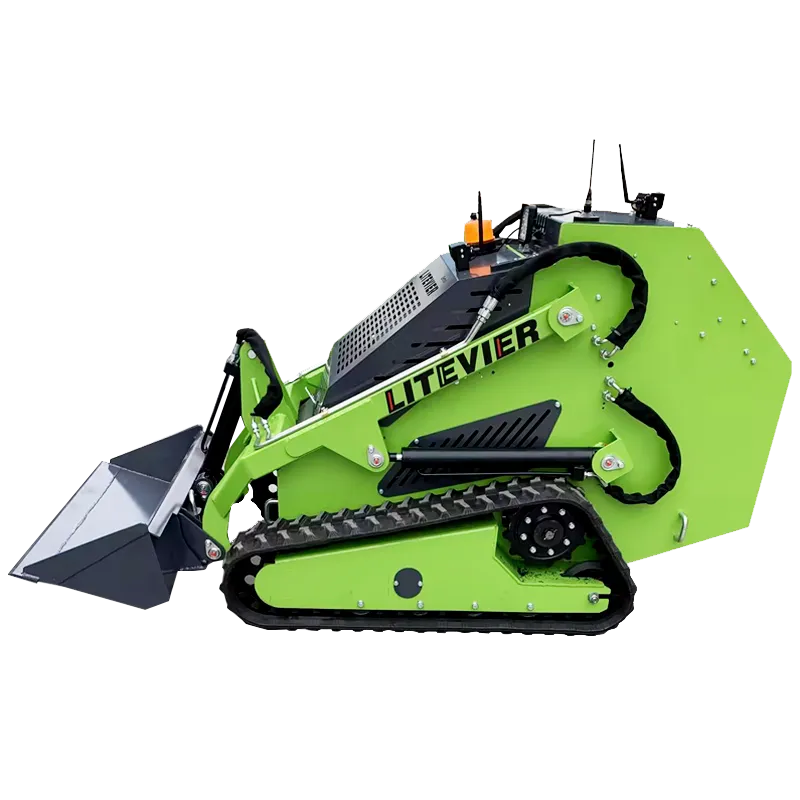
Mini Skid Steer Loaders: Compact Design Fundamentals, Size and Zero-Turn Radius for Confined-Space Access
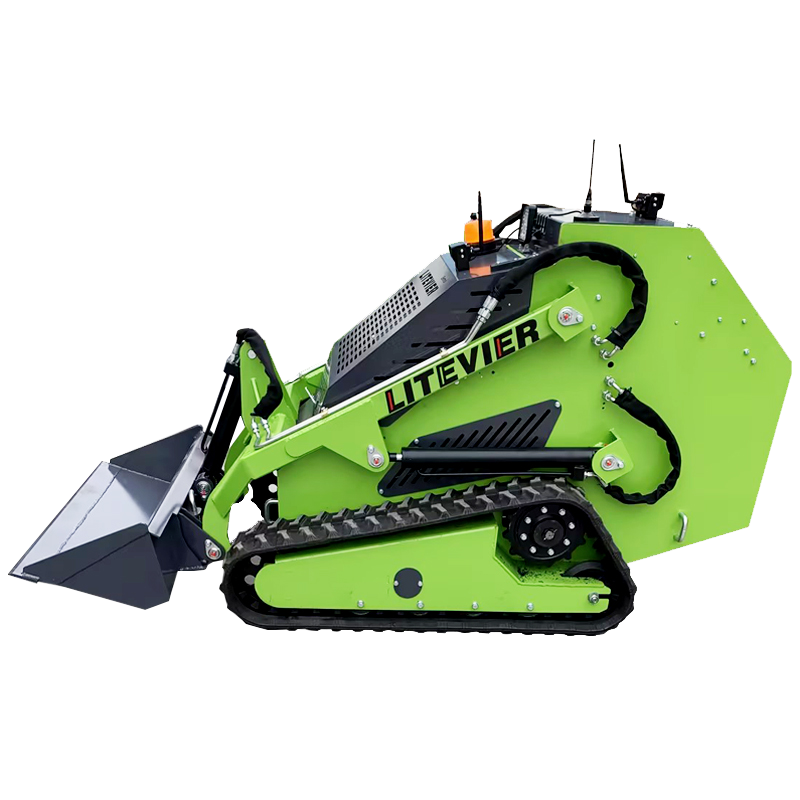
Sub-5.5 ft width and zero-radius turning: Clearing 36-in doorways, narrow trenches, and retrofit entry points
Equipment narrower than 66 inches can actually fit through regular home doors and garden gates without needing to take anything apart first. These machines have what's called zero turn radius which means workers can spin them around inside their own space instead of making those awkward three-point turns we all hate in tight spots like narrow alleys or around support columns. What makes these compact machines really useful is how they get into places bigger gear just cant reach at all. Think basements being renovated, trenches dug for pipes, or old buildings undergoing interior demolition work. According to field reports from actual operators working on job sites daily, there seems to be about 30 percent less time spent moving the machine around obstacles when compared with conventional sized equipment. That adds up to real productivity gains over the course of a project.
Zero-tail-swing geometry and its impact on gate passage, alley navigation, and urban staging zones
Equipment without counterweights doesn't stick out at the back when it turns around. This means operators can work right up against walls even in tight spaces between buildings, avoiding bumps into things like chain link fences, cars left haphazardly on the street, or construction scaffolds. For those working in city areas where alleys are often less than eight feet wide, these zero tail swing machines actually work just fine while older gear would need someone manually moving stuff instead. Looking at accident reports from construction sites across town reveals something interesting too these newer designs cut down on those dangerous blind spots that happen when making sharp corners.
Precision Steering Systems: Comparing Joystick, ISO, and H-Pattern Controls for Tight-Space Responsiveness
Joystick advantages: 32% faster directional transitions in obstacle-dense simulations
The joystick control system really makes a difference in how mini skid steer loaders handle themselves in tight spaces. According to a recent study by Shandong Songsheng from last year, operators using joysticks can change direction about 32% quicker when moving around obstacles than those working with traditional lever systems. That kind of response time matters a lot when trying to get through narrow spots between construction scaffolding, stacked pallets, or alongside trench walls. What's great about these joysticks is they let workers steer one hand while making adjustments to attachments with the other. This means fewer stops and starts needed to reposition equipment in cramped conditions where every inch counts.
Ergonomic trade-offs: ISO vs. H-pattern levers in sub-10-ft clearance zones and prolonged micro-adjustment tasks
In sub-10-foot clearance zones like basement retrofits, ISO's compact operation minimizes accidental lever contact. However, H-pattern's separated lift/tilt controls provide finer attachment control during prolonged tasks like pipe bedding. Both systems benefit from programmable response curves to reduce oversteering risks near structural elements.
Pre-Operation Risk Mitigation: Structured Jobsite Assessment to Eliminate Blind Spots and Reversing Hazards
The 5-point confined-space assessment protocol: Trenches, stacked materials, overhead utilities, surface grade, and egress paths
Implementing a standardized 5-point assessment protocol before operating mini skid steer loaders in confined spaces prevents collisions and crushing incidents. This systematic approach examines:
- Trenches & excavations: Identify unstable edges within the machine's operating radius
- Stacked materials: Verify load stability and clearance from travel paths
- Overhead utilities: Map power line heights relative to lift attachments
- Surface grade: Detect slopes exceeding 10° that compromise stability
- Egress paths: Confirm multiple unobstructed exit routes
When sites go through OSHA compliant assessments for urban retrofits, studies show around a 40% drop in reversing accidents because workers actually have to walk the entire route and spot those dangerous blind spots. Sure, mini skid steer loaders can squeeze into really tight areas where bigger machines would get stuck, but there's a trade off here too. Their small frame puts operators closer to obstacles than they might realize. Smart contractors document key points on site before turning anything on. This includes setting up warning tape around trench edges and moving stuff that blocks the view behind the machine. These simple steps make all the difference in preventing collisions during actual operations.
This method eliminates reliance on reactive measures during operation, where restricted sightlines and auditory distractions compromise safety.
Real-World Application Validation: Mini Skid Steer Loaders in High-Stakes Urban and Indoor Projects
Case study: 1,200-sq-ft retail retrofit – 63% faster material haul vs. manual labor, zero structural damage
A 2024 urban retrofit project demonstrated how mini skid steer loaders overcome spatial constraints while boosting productivity. Contractors faced a 1,200-sq-ft retail renovation with 8-ft ceilings and 42-inch doorways. Using compact models under 5.5-ft width, they achieved:
- 63% faster debris removal than manual crews
- Zero collisions with structural columns or inventory racks
- Precise bucket placement within 3-inch tolerances near glass facades
The machines’ zero-tail-swing design enabled safe navigation through narrow service corridors. Operators moved 12-ton material loads daily without damaging existing flooring—critical in occupied retail environments. This efficiency allowed the project to finish 11 days ahead of schedule with 90% less labor fatigue incidents.
Urban construction teams report similar results in historic building retrofits, utility tunnel maintenance, and high-density warehouse restocking—validating mini skid steer loaders as essential for projects where space optimization impacts both safety and profitability. Their maneuverability prevents costly rework while maintaining strict deadline compliance.
Frequently Asked Questions (FAQs)
What is the advantage of a zero-turn radius in compact equipment?
Zero-turn radius allows the equipment to rotate within its own footprint, making it ideal for navigating tight spaces without needing extensive maneuvering.
How does joystick control improve performance in tight spaces?
Joystick control allows for quicker directional changes and more precise movements, which are crucial when navigating obstacle-dense environments.
What are the pre-operation risk mitigations for using mini skid steer loaders?
Implementing a 5-point assessment protocol helps in identifying potential hazards, including unstable trenches, overhead utilities, and ensuring clear egress paths.
How do mini skid steer loaders enhance productivity in urban projects?
Their compact design and advanced steering systems allow for efficient navigation in confined spaces, leading to faster project completion and reduced labor fatigue.
Table of Contents
- Mini Skid Steer Loaders: Compact Design Fundamentals, Size and Zero-Turn Radius for Confined-Space Access
- Precision Steering Systems: Comparing Joystick, ISO, and H-Pattern Controls for Tight-Space Responsiveness
- Pre-Operation Risk Mitigation: Structured Jobsite Assessment to Eliminate Blind Spots and Reversing Hazards
- Real-World Application Validation: Mini Skid Steer Loaders in High-Stakes Urban and Indoor Projects
- Frequently Asked Questions (FAQs)