
West of the road,southern end of Linjin Road (Industrial 5 Road) in the eastern new area of Ningjin County, Dezhou City, Shandong Province +86-15628665777 [email protected]
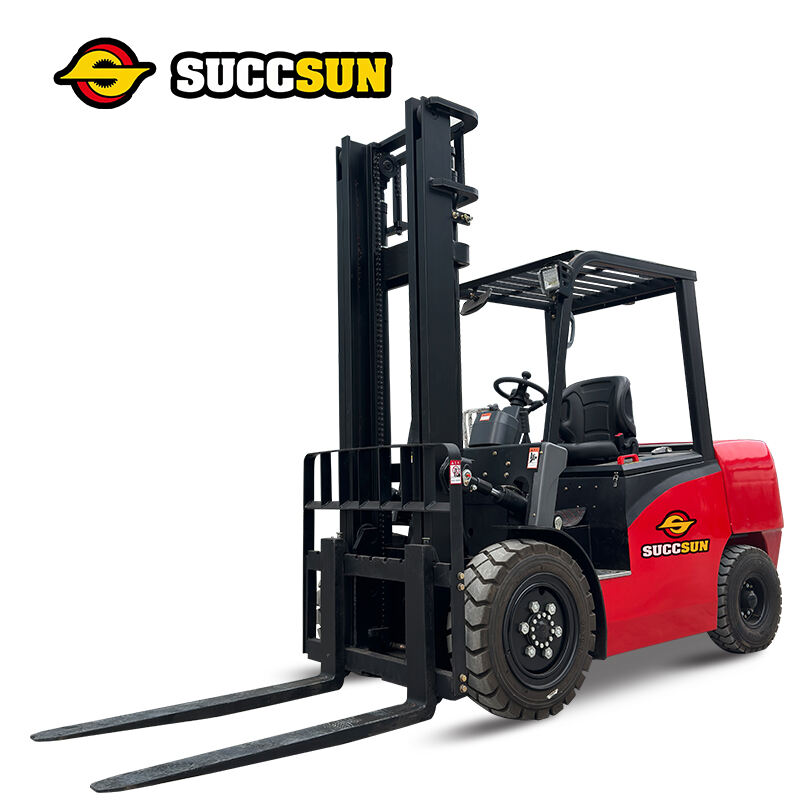
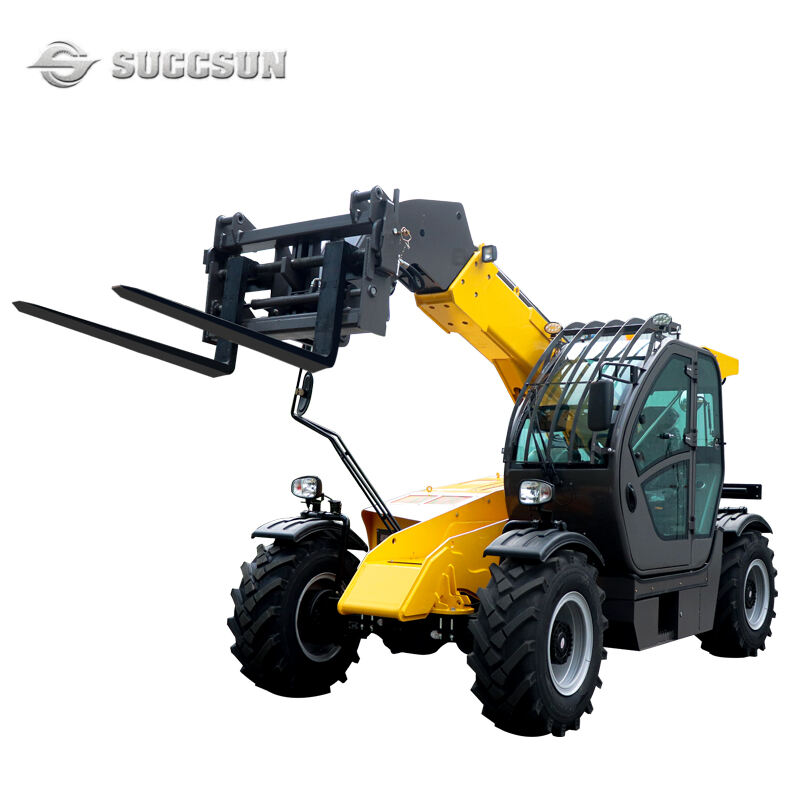
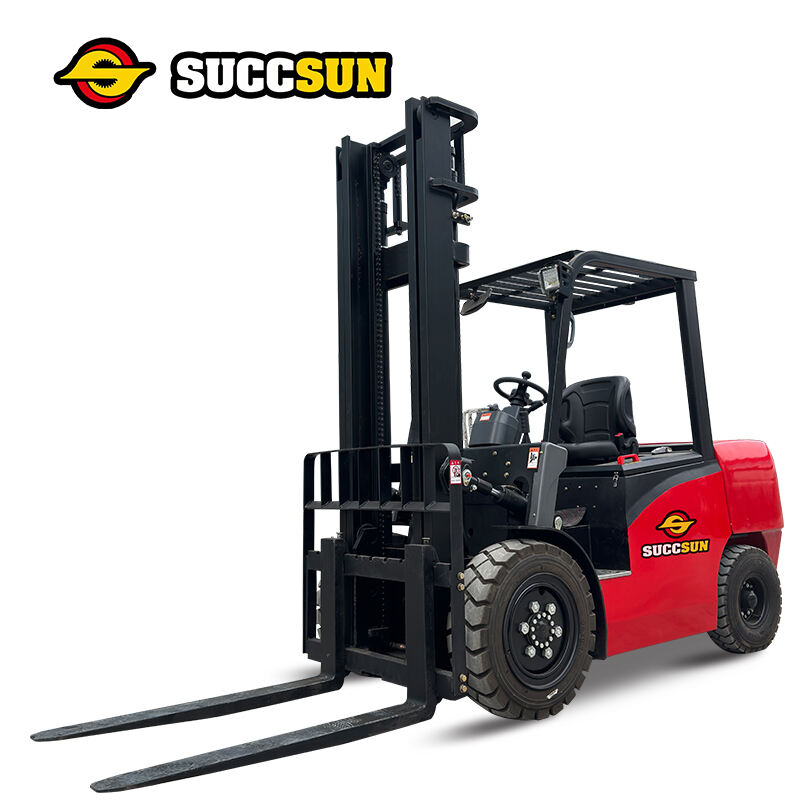
Diesel forklifts remain the dominant power equipment in the heavy-duty material handling sector, serving as core machinery for industrial logistics, construction sites, and port operations. The core value of such equipment lies in its robust performance capable of tackling extreme operational challenges—diesel engines deliver torque that is 40% to 60% higher than that of comparable LPG or electric models, effortlessly handling extreme loads ranging from 3,000 to 100,000 pounds. In the scorching rolling mills of steel plants, tons of steel ingots require precise handling; at bustling container terminals, fully loaded cargo containers demand equipment with robust counterweight capabilities; on heavy machinery manufacturing assembly lines, the relentless three-shift work schedule pushes equipment to its endurance limits. These scenarios are precisely where diesel forklifts excel as indispensable workhorses.
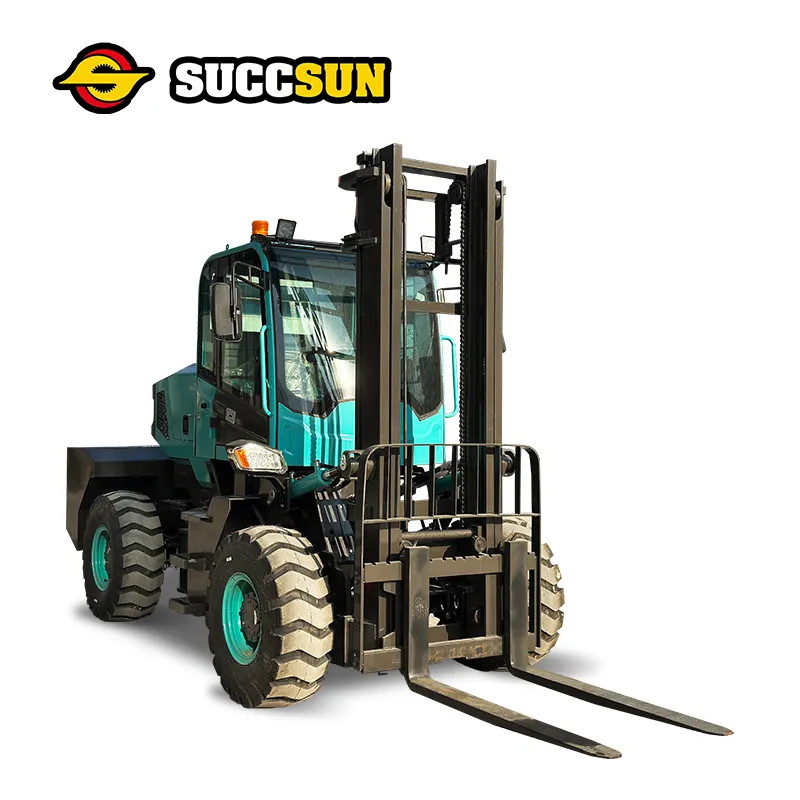
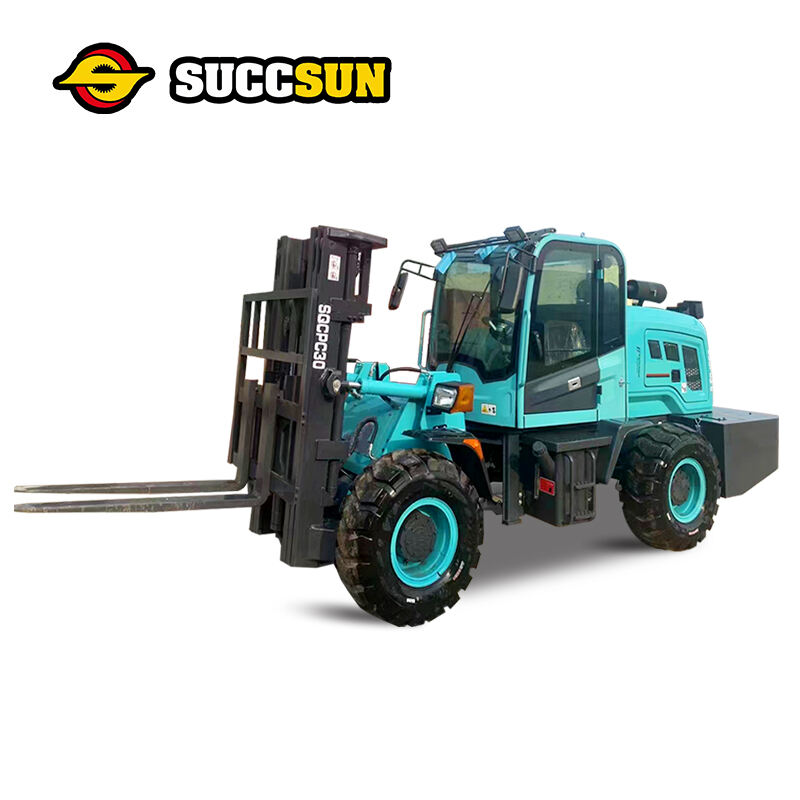
Continuous operation capability is another key advantage of diesel equipment. While electric forklifts must halt operations for 4–8 hours when batteries run out, diesel models can resume 12 hours of continuous operation after just a 5-minute refueling. This feature is particularly valuable in cold chain warehouses at -25°C or foundries at 50°C—the challenge of lithium-ion battery performance degradation in extreme cold is completely resolved by the diesel engine's stable output. Equipped with a fully steel-reinforced chassis and large-tread pneumatic tires, diesel forklifts maintain stable traction even on muddy construction site roads, dusty agricultural warehouses, or gravel-covered quarry surfaces.
Cost control over the entire lifecycle is another key factor in making a wise choice. Although the initial purchase price is higher, cost optimization of 25%-30% can be achieved over a five-year cycle: diesel prices are approximately 20% lower than LPG; the 50,000-hour design lifespan far exceeds that of electric forklift power systems; and no dedicated charging stations or gas supply facilities are required. For 24/7 logistics hubs, this translates to over 100 hours of reduced downtime annually; for international ports, the annual energy savings can fund new equipment purchases. With the widespread adoption of Tier 4 emissions technology, modern diesel forklifts maintain their power advantage while reducing nitrogen oxide emissions by over 50% compared to older models, seamlessly balancing productivity and environmental responsibility.