 EN
EN


Heavy-Duty Performance: Load Capacity and Lift Capabilities on Rough Terrain
Optimized Load Range (2.5–7.5+ Tonnes) for Outdoor Industrial Applications
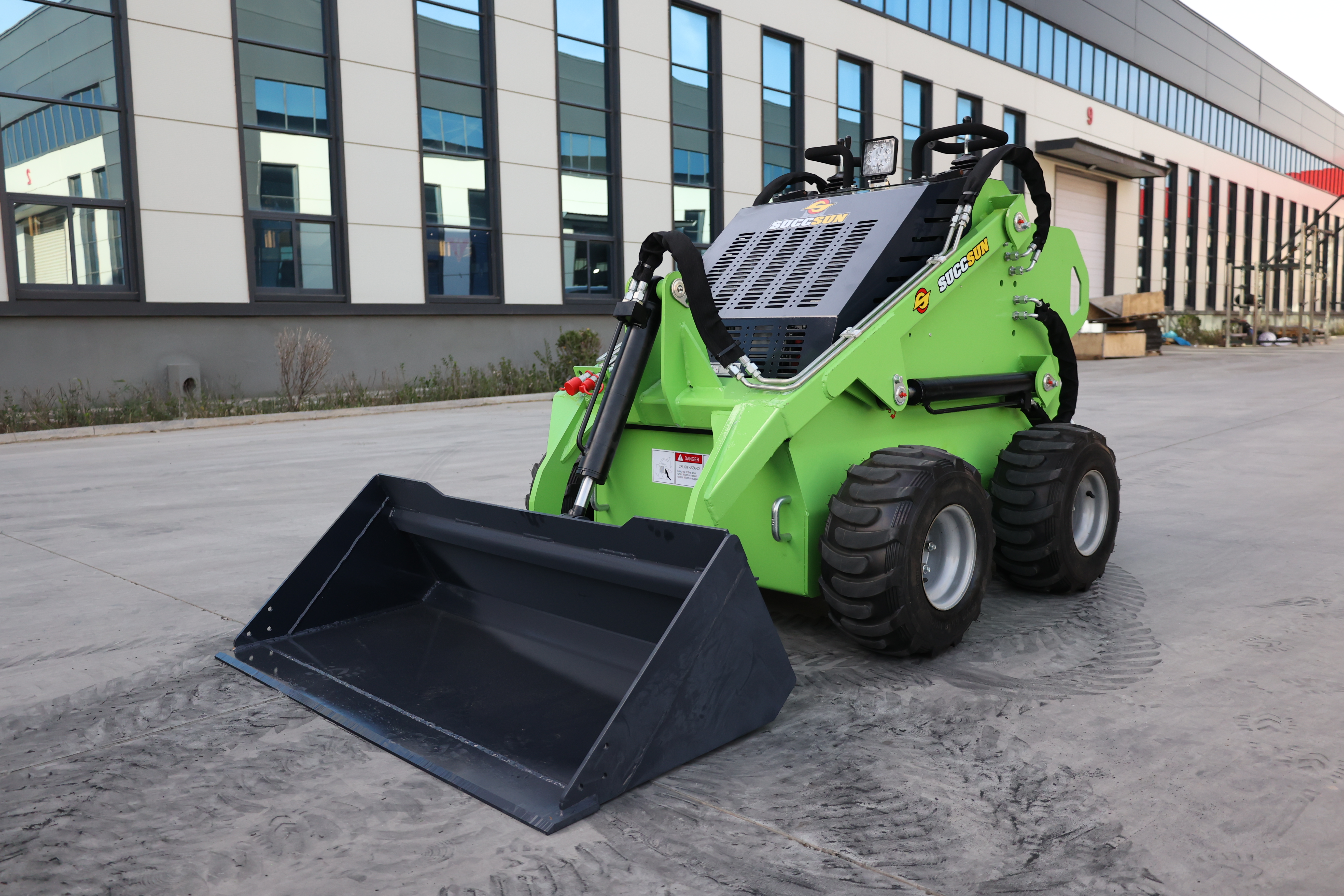
All terrain forklifts get built for tough work outside in places like construction sites, lumber yards, wind farms, and mines where regular equipment would struggle. Most models can handle loads between 2.5 and 7.5 tonnes, though there are bigger versions available that go over 10 tonnes when moving things like steel beams or big stacks of timber. These machines have special pneumatic tires and strong chassis frames that spread out the weight properly on rough ground. This helps them avoid sinking into muddy areas, gravel patches, or soft earth while still keeping good grip. Workers find they can move pallets around safely even when dealing with hills, potholes, or those tricky spots where different surfaces meet.
Lift Height Trade-Offs in Off-Road Configurations: Why Stability Trumps Height
Lift heights for these machines can go as high as 24 meters, though actual performance outdoors requires some serious compromises. When working on hills or rough terrain littered with debris, trying to lift loads above around 15 meters usually cuts down the maximum capacity by somewhere between 30 and 50 percent because of how unstable things get when the center of gravity shifts upward. Compared to their warehouse counterparts, all terrain models focus much more on staying stable sideways and front to back instead of reaching straight up into the air. That's not just good practice, it's absolutely essential for safety reasons. The design features that make this possible include wider bases between wheels, counterweights positioned closer to the ground, and those special joints in the axles that allow better handling. Anyone operating these machines needs to check the load charts carefully based on what kind of slope they're dealing with and the type of surface underneath. In most cases, choosing a lower lift height while maintaining full capacity ends up being both safer and actually gets more work done compared to stretching for maximum height on tricky ground conditions.
All Terrain Forklift Mobility: Engineering for Unpaved, Unpredictable Ground
4WD Powertrain, Articulating Axles, and Large Off-Road Tires
All terrain forklifts handle rough terrain thanks to their built-in mobility systems that really make a difference when conditions get tough. These machines come equipped with genuine four wheel drive powertrains that send power to every wheel at once, which cuts down on slipping when working on wet clay surfaces, gravel paths, or roads covered in snow. What makes them stand out is the independent articulating axles design. Each axle can actually pivot and adjust itself to match whatever bumps or dips it encounters on the ground surface. This keeps all tires firmly planted on the ground something that regular rigid frame forklifts just cant do because their wheels tend to lift off and lose grip entirely. The big off road tires these machines sport usually measure between 18 to 24 inches across with those rugged treads that clean themselves as they roll along. There are several benefits to having such large tires including better stability, improved traction, and longer lifespan since they wear down slower compared to standard sizes.
- Flotation effect, reducing ground pressure by up to 40% compared to standard pneumatic tires (Material Handling Institute, Off-Road Material Handling Guidelines, 2023)
- Puncture-resistant rubber compounds, engineered to withstand nails, rebar ends, and sharp debris common on active construction sites
- Tread geometry that sheds mud and snow, sustaining grip without manual cleaning
High Ground Clearance and Reinforced Chassis for Obstacle Negotiation
These forklifts have at least 12 inches of ground clearance, which means they can roll right over rocks, tree roots, curbs, and all sorts of junk lying around construction sites without damaging the undercarriage. The frame itself is made from really strong structural steel that meets ISO 3471:2023 standards, with extra support at the joints and special cross members designed to absorb impacts. When operating on slopes or dealing with rough terrain, this construction prevents the whole thing from twisting out of shape. And those little bumps and jolts from bad pavement? The reinforced design takes care of them too. According to actual field reports, this kind of strengthening cuts down on frame problems by about 30% compared to regular rough terrain models. That translates into fewer breakdowns and ultimately saves money in the long run since the machines stay operational longer between repairs.
Real-World Applications: Where All Terrain Forklifts Deliver Critical Advantage
All terrain forklifts deliver measurable operational advantage where standard equipment fails—notably in environments with unpaved, variable, or steep terrain. Their combination of load capacity, mobility, and durability enables mission-critical material movement without staging, road grading, or secondary transport.
Construction Sites: Handling Materials Across Slopes, Mud, and Debris
Construction sites are constantly changing environments, particularly when dealing with major infrastructure projects, tall building foundations, or out-of-the-way developments where ground conditions can change from day to day. After a good rainstorm, what was once solid ground becomes nothing but muddy pits that stop work in its tracks. Excavation work leaves behind steep slopes and scattered debris that make normal equipment useless. That's where all terrain forklifts come into play. These machines handle everything from heavy steel bundles to massive concrete panels and prefabricated modules, moving them straight from where they arrive on site to exactly where they need to go. They tackle gradients as steep as 20% without hesitation and plow right through puddles and wet spots that would stall other machinery. With their four wheel drive systems, flexible suspensions, and wide tires designed for soft ground, these forklifts cut down on the need for makeshift roads or expensive crane operations. The result? Jobs get done faster – studies show around a 35% improvement in cycle times – while also making the site safer and less crowded overall.
Forestry, Agriculture, and Lumberyards: Dispersed, Unpaved, and Dynamic Work Zones
Forestry and farming operations cover massive areas, sometimes hundreds of acres at once, where there are rarely proper roads and conditions change fast from one day to the next. All terrain forklifts handle everything from cut trees to bales of hay, moving irrigation gear and grain storage containers through flooded fields, muddy logging paths, and rough forest ground. These machines have plenty of ground clearance so they don't get stuck on tree stumps or tangled roots. Their hydraulics resist corrosion and electronics stay protected against sap, fertilizers, and constant rain exposure. At lumber yards specifically, these forklifts manage green timber stacks outdoors where regular models break down quickly due to hydraulic issues or rust problems caused by all that moisture and temperature changes between seasons. Farmers and loggers actually rely on this kind of rugged performance to keep their operations running smoothly no matter what Mother Nature throws at them.
Built to Last: Durability as the Foundation of All Terrain Forklift Reliability
When talking about durability for all terrain forklifts, we're not just spinning words here. These machines need to survive brutal conditions day after day. The frames actually comply with ISO 3471:2023 standards and can handle about 30% more repeated impacts compared to what most competitors offer. We've gone beyond basic protection too. Hydraulic systems are fully sealed against dirt getting inside, fasteners are made from stainless steel instead of regular metal, and many parts have zinc-nickel coatings that really stand up to corrosion problems. This matters a lot in places like coastal regions where salt air eats away at equipment, or mines where dust is everywhere. Take our fleet deployed at those wind farms in Colorado as proof. They keep running at around 97% availability even when there's snow falling every day (sometimes up to six inches deep), wind blowing harder than 40 miles per hour, and roads so steep they climb at 30% grade angles. Looking at things over five years, operators find their bottom line improves significantly. Our machines last longer between replacements, don't break down unexpectedly, and require far less maintenance trips out to those tough-to-reach locations where getting help means waiting days sometimes.
FAQ
What is the load capacity range for all terrain forklifts?
All terrain forklifts typically can handle loads between 2.5 and 7.5 tonnes, though larger models can manage over 10 tonnes.
How does lift height affect performance on rough terrain?
Lifting loads above 15 meters can reduce capacity by 30-50% due to stability issues, making it crucial to prioritize stability over height.
What makes all terrain forklifts suitable for rough terrain?
These forklifts are equipped with 4WD powertrains, articulating axles, and off-road tires, providing stability and mobility on unpaved surfaces.
Where are all terrain forklifts commonly used?
They are often used on construction sites, in forestry and farming operations, lumberyards, and other environments with variable, steep terrain.
Table of Contents
- Heavy-Duty Performance: Load Capacity and Lift Capabilities on Rough Terrain
- All Terrain Forklift Mobility: Engineering for Unpaved, Unpredictable Ground
- Real-World Applications: Where All Terrain Forklifts Deliver Critical Advantage
- Built to Last: Durability as the Foundation of All Terrain Forklift Reliability
- FAQ