 EN
EN


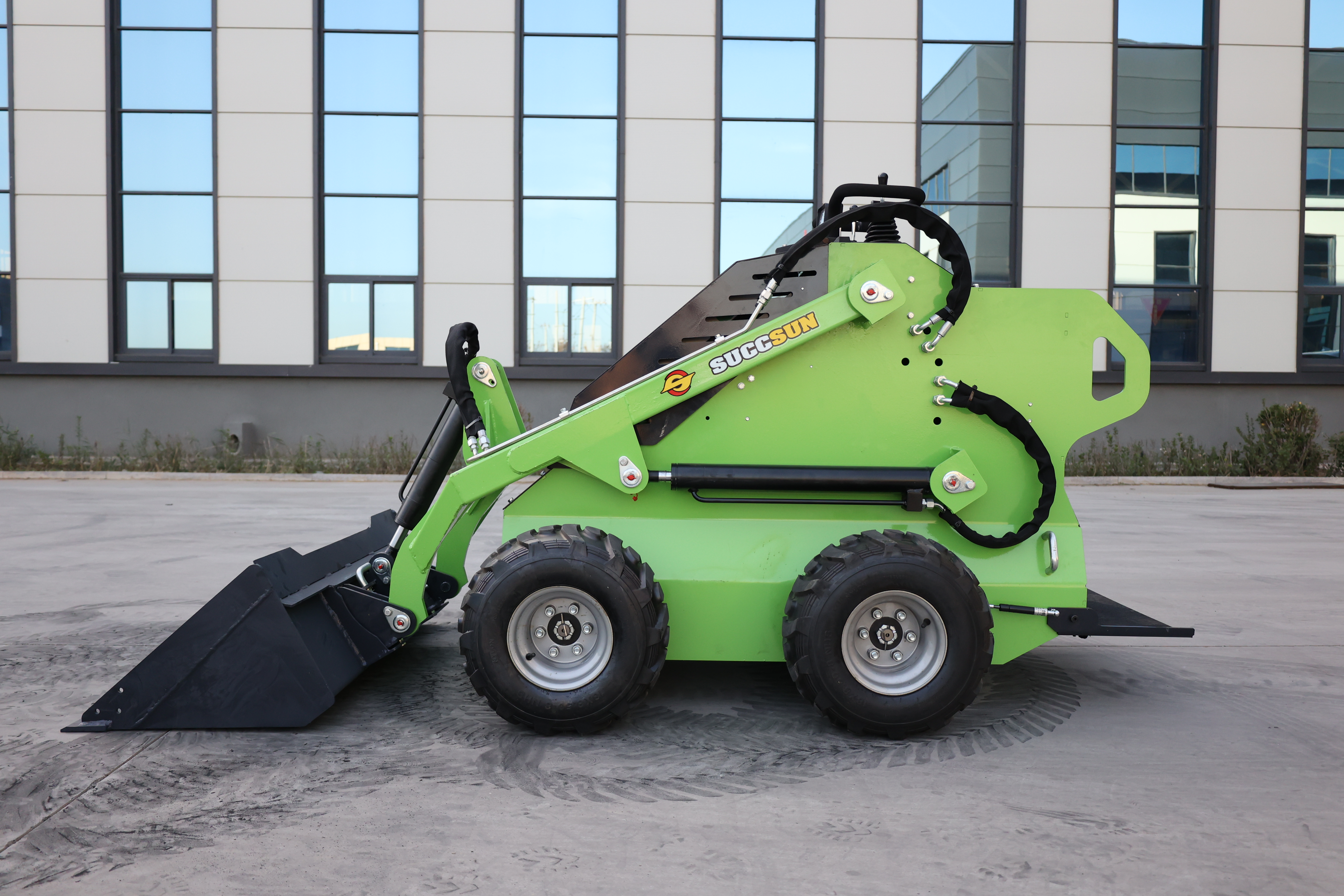
Unmatched Terrain Agility: How Off-Road Forklifts Conquer Challenging Surfaces
4WD, Differential Lock, and High Ground Clearance in Action on Mud, Gravel, and Sloped Terrain
Pneumatic Tires vs. Cushion Tires: Real-World Traction and Load Stability Outdoors
Tire selection is decisive for outdoor performance. Pneumatic tires—with deep, aggressive treads and air-filled construction—deliver critical advantages over solid cushion tires in unstructured environments:
| Feature | Pneumatic Tires | Cushion Tires |
|---|---|---|
| Traction | Conforms to uneven surfaces | Limited to flat, hard terrain |
| Shock Absorption | Reduces vibration by up to 40% | Minimal impact resistance |
| Load Stability | Maintains grip during turns and on slopes | High tip-over risk outdoors |
When it comes to pneumatics, they spread out the weight over a bigger contact area that adapts as conditions change. This helps prevent sinking into soft ground and lets them handle all sorts of debris without bending or breaking. Real world testing by manufacturers shows these systems last around 30 percent longer when used outside, even after dealing with constant wear from dirt, water exposure, and those annoying temperature changes we get day to day. Anyone working in gravel pits, construction zones during rainstorms, or anywhere there's no proper road surface knows firsthand how much better traction and stability makes a difference. It's not just a minor improvement either; it actually affects day to day operations significantly.
Engineered for Endurance: Durability Innovations in Off-Road Forklift Design
Reinforced Chassis, Low Center of Gravity, and Shock-Absorbing Suspensions for Harsh Environments
When it comes to surviving tough outdoor environments, off-road forklifts rely on three main factors that keep them going strong. The first is their heavy duty frame made with special steel mixtures that actually pass those new ISO 3471:2023 tests for impacts. These frames can handle about 30% more stress compared to regular models when they're bouncing over rocks or jumping over things in their path. Next up we have something really important for safety: these machines are designed so their weight sits much lower to the ground. Manufacturers place all the big heavy parts like batteries, engines, and hydraulics right at the bottom of the truck. This simple trick makes a huge difference in preventing tip overs especially when lifting loads while moving uphill or downhill. And finally there's the suspension system which does wonders for ride quality. Most modern models come equipped with hydraulic shock absorbers combined with springs that get stiffer as they compress. This setup helps soak up all sorts of road irregularities from deep potholes to random chunks of dirt sticking out, keeping tires planted firmly on the ground while also making sure operators don't get tossed around too much and cargo stays secure throughout the journey.
Field data from mining and infrastructure projects shows this integrated approach extends service life by 50% in abrasive, high-vibration settings compared to conventional forklifts. These features collectively ensure consistent, safe material handling across temperature extremes, heavy rain, dust storms, and corrosive soils—environments where lesser equipment fails prematurely.
Smart Evolution: Telematics, Articulated Steering, and the Path to Autonomous Off-Road Forklifts
Telematics Integration and AI-Enhanced Navigation for Unstructured Outdoor Sites
Outdoor work sites are notoriously unpredictable places where things can go wrong fast. That's why today's off road forklifts come equipped with smart features that adapt on the fly. The latest telematics systems give operators a live view of what's going on under the hood when it comes to fuel burn rates, hydraulic system pressures, battery status, and when parts need attention. These insights let maintenance crews get ahead of problems instead of scrambling after breakdowns, which research shows can reduce unexpected stoppages by around 30% even in tough environments. On top of all that, many machines now have AI navigation built right in. By combining LiDAR scanning, camera feeds, and radar data, these systems create detailed three dimensional maps of the ground ahead. They spot potential dangers such as slippery gravel patches, concealed gullies, or shaky slopes long before anyone might actually run into trouble.
These sensor networks work differently from regular GPS systems when it comes to finding paths through places where satellites just don't reach well. Think about thick woods, those tight city streets between tall buildings, or freshly dug construction sites where GPS signals get lost completely. Smart computer programs running behind the scenes take all sorts of changing factors into account while vehicles are moving around. They look at things like how packed the dirt is underfoot, what the weather conditions actually are right now, and even how heavy whatever's being carried happens to be. Based on all this information, the system makes instant changes to how fast something moves forward, which direction it turns, and how much grip it needs on different surfaces. What we end up with is much safer trips overall, less damage done to the ground below, and no need whatsoever for someone to have mapped out every possible route ahead of time. People who operate these machines get helpful warnings about stability issues and potential collisions displayed clearly on their dashboard screens. These alerts help them stay aware of what's going on around them without making their heads spin trying to process too much info at once. The technology has gotten pretty solid over time, especially as rules and standards catch up with how fast things are developing. We're already seeing real world applications happening now with self-driving forklifts working outside normal roads in mining operations, big agricultural settings, and even helping move supplies after major disasters hit communities.
Safety Without Sacrifice: Ergonomic and Sensor-Driven Advancements in Off-Road Forklift Operation
Today's off road forklifts focus on both operator safety and getting the job done efficiently without sacrificing either aspect. The ergonomic design starts with those adjustable air ride seats that really cut down on back pain and tiredness after hours of working over rough ground. Operators also benefit from controls that are easy to reach and operate without causing hand strain something that matters a lot when placing loads precisely on hillsides or muddy surfaces where mistakes can be costly. All these improvements mean operators react faster and handle their machines better even when conditions change suddenly.
When combined with good ergonomic design, multi-layered sensor systems really change how workers respond to hazards on site. These smart collision avoidance systems keep scanning all around them constantly, spotting people walking nearby, other machinery, or anything fixed within about three meters away. They work even when visibility is poor because of dust or dim lighting conditions. For those tricky turns in tight outdoor areas, proximity sensors help out a lot. And there's this real time stability check too that goes off with both sounds and lights whenever something gets dangerously close to tipping over sideways or front to back. Warehouse managers at distribution centers tell us their staff has had 30 percent fewer injuries since implementing these kinds of sensor packages. Makes sense really, because better ergonomics plus smart sensing just makes everything safer for everyone involved. What we see now is operations running smoothly day after day without having to hit emergency stops or slow things down unnecessarily.
FAQ
What are the main features of off-road forklifts that make them suitable for tough terrains?
Off-road forklifts are equipped with features like 4WD, differential lock, and high ground clearance, making them suitable for challenging surfaces such as mud, gravel, and sloped terrain.
Why are pneumatic tires preferred over cushion tires for outdoor forklift operations?
Pneumatic tires provide better traction, shock absorption, and load stability in outdoor environments compared to cushion tires, which are limited to flat and hard terrains.
How do off-road forklifts maintain durability in harsh conditions?
These forklifts are designed with reinforced chassis, a low center of gravity, and shock-absorbing suspensions, allowing them to withstand stress from impacts and maintain stability on uneven terrain.
What technological advancements are integrated into modern off-road forklifts?
Modern off-road forklifts come equipped with telematics systems for real-time data monitoring and AI-enhanced navigation to safely maneuver unstructured outdoor sites.
How do ergonomic and sensor advancements contribute to safety in off-road forklift operations?
Ergonomic designs like adjustable air ride seats and sensor systems such as collision avoidance and stability checks enhance operator comfort and safety, reducing the risk of injuries.
Table of Contents
- Unmatched Terrain Agility: How Off-Road Forklifts Conquer Challenging Surfaces
- Engineered for Endurance: Durability Innovations in Off-Road Forklift Design
- Smart Evolution: Telematics, Articulated Steering, and the Path to Autonomous Off-Road Forklifts
- Safety Without Sacrifice: Ergonomic and Sensor-Driven Advancements in Off-Road Forklift Operation
-
FAQ
- What are the main features of off-road forklifts that make them suitable for tough terrains?
- Why are pneumatic tires preferred over cushion tires for outdoor forklift operations?
- How do off-road forklifts maintain durability in harsh conditions?
- What technological advancements are integrated into modern off-road forklifts?
- How do ergonomic and sensor advancements contribute to safety in off-road forklift operations?