 EN
EN


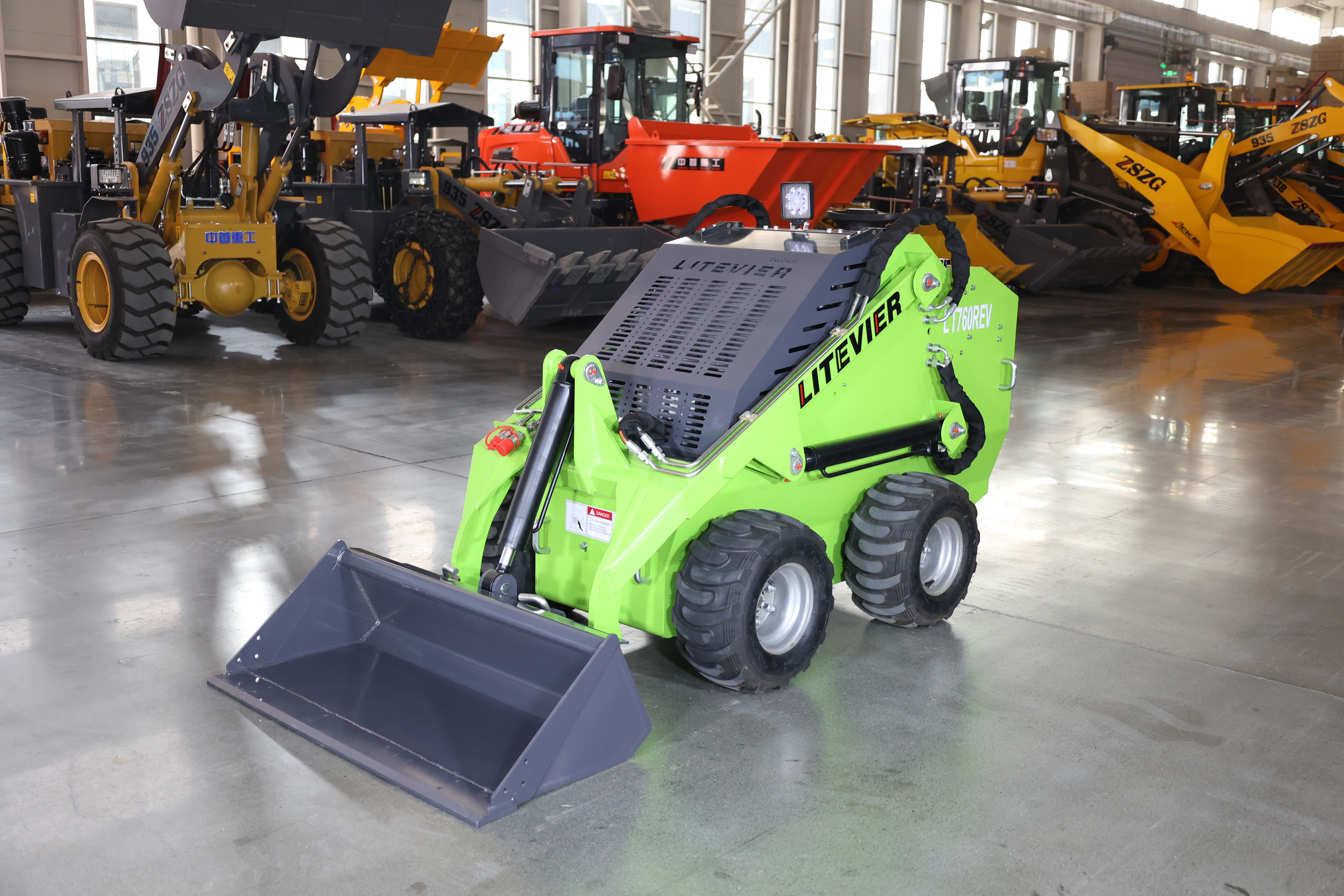
Maneuverability and Terrain Adaptability: Where the Skid Steer Loader Excels
Zero-radius turning and confined-space operation
What makes the Skid Steer Loader so valuable in cramped conditions is its ability to turn on a dime. The machine can spin right inside its own space, which means it handles narrow alleyways, works indoors without issue, and operates effectively even in crowded city construction zones where regular loaders need lots of room to maneuver. This kind of flexibility comes from having separate controls for each wheel or track system, allowing workers to pivot around objects without having to back up and try again. Crews can get close to buildings, barriers, or other machinery without causing much disturbance at all. Warehouses especially benefit since materials can be moved efficiently between rows of shelves. Plus, because the whole unit takes up so little space, it easily passes through normal doors and gates. That's why landscapers, utility crews, and renovation teams rely heavily on these machines when working in areas that just don't have enough room for bigger equipment.
Performance on uneven, soft, or urban terrain: traction, stability, and ground pressure metrics
Skid steer loaders come in different setups depending on where they need to work. The wheeled versions are great for paved areas such as asphalt roads or concrete floors since they can reach speeds around 10 miles per hour without damaging surfaces much. But watch out for soft ground problems. These machines put between 15 and 30 pounds per square inch on the ground, which tends to create ruts when operating on dirt or grassy fields. That's why many operators switch to tracked models instead. When equipped with tracks, these machines spread their weight across a larger area, cutting down ground pressure by roughly half to somewhere between 3 and 5 psi. This makes all the difference when working in muddy conditions, snowy landscapes, or sandy environments. Plus, tracked loaders stay stable even on steep hills at angles up to 30 degrees. They also have better traction on gravel and other loose materials that would challenge standard wheeled equipment. In city settings, this matters a lot because tracked machines can handle curbs, construction debris, and temporary roadways without losing balance. Regular loaders typically apply 20 to 40 psi to surfaces and don't articulate well enough to navigate rough or delicate terrain effectively.
Attachment Versatility and Application Flexibility of the Skid Steer Loader
50+ hydraulic attachments vs. fixed-bucket limitations of standard loaders
What really sets the Skid Steer Loader apart is its hydraulic quick attach system that lets workers switch between more than 50 different attachments in just a few minutes. Think augers, grapples, trenchers, even snow blowers. Standard loaders just can't compete with this kind of versatility since they usually come with one fixed bucket attached. This means regular equipment gets stuck doing the same old digging and hauling jobs day after day. Meanwhile, skid steers can handle whatever comes next on site. Switching out pallet forks when moving wood to a brush cutter for clearing land happens so fast it beats waiting for coffee to brew. No more wasted time standing around between tasks.
Targeted use cases: landscaping, demolition, snow removal, and tight-site material handling
The flexibility of these machines means they work really well in all sorts of specialized jobs. Take city demolition for instance. Skid steers with hydraulic breakers can tear down brick walls in those narrow alleyways where regular loaders just won't fit. Landscape crews love them too, using tillers and seeders to get that perfect lawn look. And when winter hits, snow removal folks switch out attachments for blowers and plows to clear storm debris. What makes them so valuable is their size. On crowded construction sites like installing utilities between buildings, the small footprint and ability to turn on a dime let workers move materials around without getting stuck. Contractors report that one good skid steer can do the job of several different machines, which cuts down on fleet expenses quite a bit. Some industry reports from last year suggest cost savings around 40% compared to owning separate equipment for each task.
Lift Capacity, Reach, and Operational Efficiency Trade-offs
Skid Steer Loader vs. standard loader: lift capacity (2,200–3,500 lbs vs. 6,000–12,000 lbs), dump height, and reach comparison
Most skid steer loaders can only manage around 2,000 to 3,500 pounds worth of material, which makes them less effective for really heavy lifting jobs compared to regular loaders that can handle anywhere from 6,000 up to 12,000 pounds. The difference isn't just about weight capacity either. When it comes to dumping materials, standard equipment usually gets those loads up to 10 or even 12 feet high, while most skid steers max out at around 7 to 9 feet. That extra height matters a lot when loading trucks efficiently. And let's not forget about reach limitations during excavation work. For contractors dealing with big volumes of aggregate material, these restrictions mean spending more time making multiple trips instead of getting everything done in fewer passes, ultimately slowing down the whole operation.
When higher maneuverability reduces cycle efficiency on open sites
Zero turn machines work great in cramped city spaces but tend to struggle when working across big open areas. When there's plenty of room to move around, the Skid Steer loses its edge because of its limited bucket size and short travel range between stops. Standard loaders just get more done each time they go through their motions without needing to constantly change directions. According to research from the Ponemon Institute back in 2023, skid steers actually lagged behind regular loaders by about 23 percent when it came to productivity during major earth moving projects. The main reason? These machines spend too much time positioning themselves again and again while trying to reload materials.
Frequently Asked Questions
What are the key advantages of a skid steer loader?
The skid steer loader is known for its maneuverability and ability to operate in confined spaces, its adaptability to different terrains, and its versatility with over 50 hydraulic attachments.
How do skid steer loaders perform on different terrains?
Skid steer loaders can be equipped with either wheels or tracks. Wheeled versions are better for paved surfaces, while tracked models perform well on soft, uneven, or urban terrains, offering better traction and stability.
What types of attachments can be used with skid steer loaders?
Skid steer loaders have a hydraulic quick attach system that allows for the use of various attachments, including augers, grapples, trenchers, snow blowers, and more.
How do skid steer loaders compare to standard loaders in terms of lift capacity?
Skid steer loaders typically handle 2,000 to 3,500 pounds, whereas standard loaders manage 6,000 to 12,000 pounds. They also differ in dump height and reach capabilities.