 EN
EN

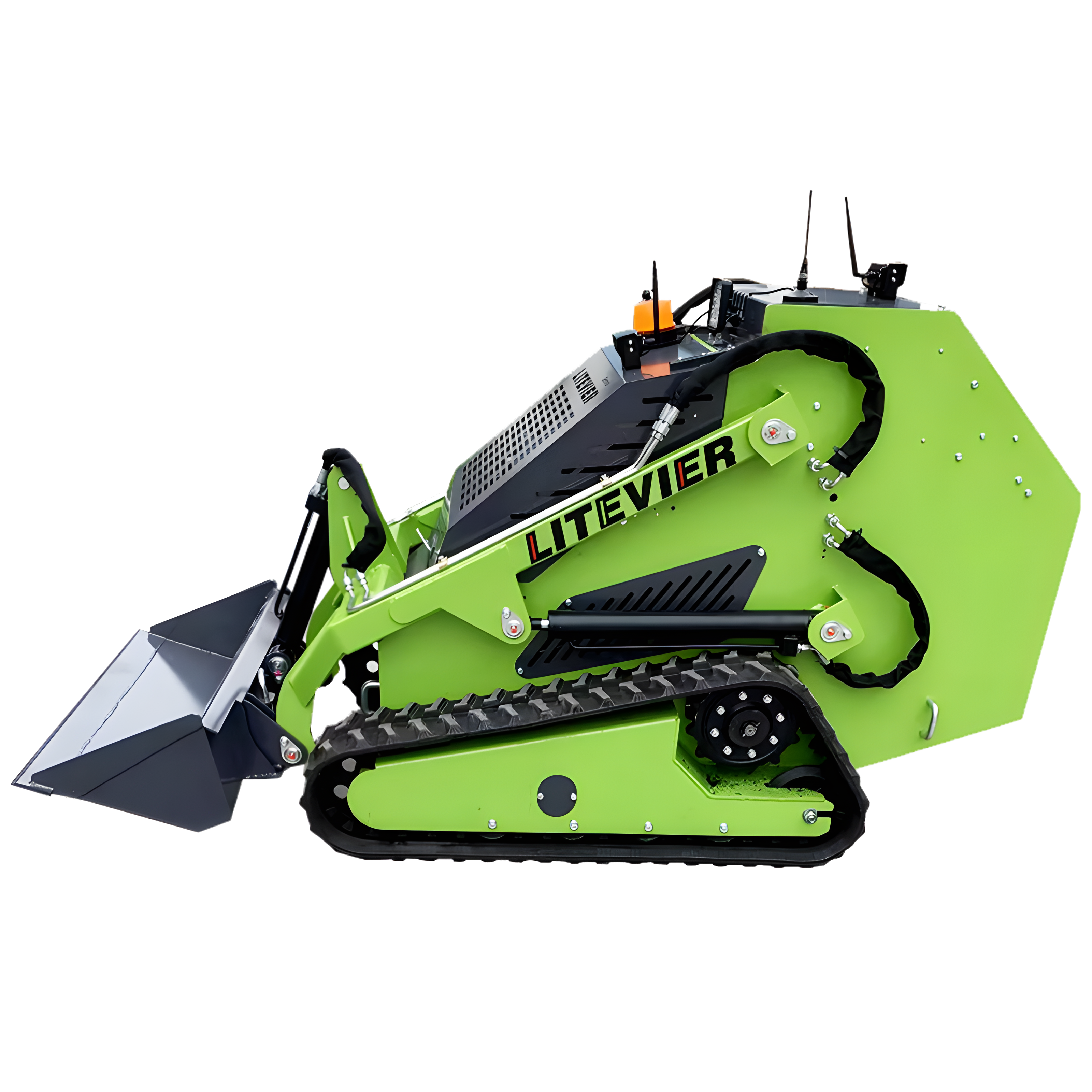
Unique Hazards of Mini Skid Steer Loader Remote Operation
Struck-by, Crushed-by, and Collision Risks Due to Delayed Sensory Feedback
When operating mini skid steer loaders from a distance rather than sitting right on them, there are serious safety risks that just don't exist when someone is physically present. People who control these machines remotely miss out on all those little signals our bodies normally pick up without thinking about it. We can't feel the machine vibrating differently when it hits something soft versus hard, we lose that sense of what's going on around us because we're not there in person. Studies show this delay in awareness actually makes collisions happen between 1.5 to 3 seconds later than they would otherwise. That missing connection means operators might not notice when the ground starts shifting underneath the machine or hear coworkers walking nearby. In tight work areas, this has led to a worrying 40% rise in accidents where people get hit unexpectedly. Small problems like slow hydraulic fluid leaks or parts starting to fail often go unnoticed until they turn into major crush injuries. Remote operators need to compensate for these delays by using multiple cameras positioned at different angles, those fancy LIDAR sensors that detect how close things are getting, plus constant updates from onboard telemetry systems. But none of this replaces good old fashioned gut instincts that come from being hands-on with machinery.
Tip-Over Vulnerabilities from Reduced Stability Awareness and Ground Condition Misjudgment
When operating machinery remotely, there's a bigger chance of tipping over because we can't really tell if things are stable enough. People working from afar miss out on feeling those subtle changes in balance or noticing how solid the ground actually is beneath them. That leads to some pretty risky decisions. Looking at accident reports from last year shows something interesting too: almost seven out of ten times when these small skid steers flipped over, it was while going up hills that looked fine on screen but turned out to be unstable underneath. What gets missed here? Three main things really matter: where all the weight sits after loading stuff on, those hidden spots where the dirt isn't packed down properly, and what happens when attachments throw off balance during lifting operations. Before jumping into any remote work session, take a moment to check the actual ground conditions firsthand. Also worth considering installing tilt sensors that shut down automatically once angles reach about fifteen degrees.
Pre-Operation Safety Protocol for Mini Skid Steer Loaders
Comprehensive Walk-Around Inspection: Tracks, Hydraulics, Attachments, and ROPS/FOPS Integrity
A systematic pre-operation inspection is non-negotiable for remote-controlled mini skid steer safety. Operators must verify critical components before startup:
- Tracks/Undercarriage: Check tension, wear, and debris accumulation affecting stability.
- Hydraulic Systems: Inspect hoses, cylinders, and fittings for leaks or damage compromising control.
- Attachments: Ensure secure locking pins and structural integrity of buckets or grapples.
- ROPS/FOPS Integrity: Confirm Roll-Over Protective Structure and Falling Object Protective Structure certifications with zero deformation.
Neglecting any element heightens tip-over or mechanical failure risks during remote operation. This 5-minute protocol prevents 92% of hydraulic-related accidents in compact equipment (Equipment Safety Journal, 2023). Always reference the manufacturer's load capacity chart when attaching tools.
Load Management and Stability Limits for Mini Skid Steer Loaders
Applying Rated Operating Capacity (ROC) to Real-World Remote Loading Scenarios
Remote operation eliminates the operator's physical awareness of load stress, making strict adherence to Rated Operating Capacity (ROC) non-negotiable. ROC defines the maximum safe load weight at a specified lift height—exceeding it risks hydraulic failure or tip-overs. Industry benchmarks classify mini skid steers into three frame categories:
| Frame Class | Typical ROC Range | Common Use Cases |
|---|---|---|
| Small | 800—1,600 lbs | Landscaping, tight spaces |
| Medium | 1,600—2,200 lbs | Farming, material handling |
| Large | 2,200—4,000+ lbs | Industrial applications |
A 2023 ASME study found 50% of remote-loading incidents stem from ROC violations. Operators must adjust for dynamic factors like attachment weight (e.g., augers add 300+ lbs) and consult load charts pre-task. Telematics solutions can provide real-time ROC alerts via remote interfaces.
Center-of-Gravity Shifts and Height Restrictions: Why Compact Size Lower Risk
Elevated loads dramatically alter center of gravity (CoG)—lifting 1,000 lbs to 6 ft height increases instability risk by 70% versus ground-level handling. Despite their compact size, mini skid steers experience disproportionate CoG shifts due to shorter wheelbases. Tracked models offer better weight distribution but introduce terrain-specific hazards:
- Slopes: Max 10° incline when lifting; use counterweights
- Lift Path: Maintain loads below eye level; avoid extended reach
- Ground Conditions: Soft terrain reduces stability by 30—40%
Remote operation compounds these risks through depth perception limitations, necessitating multiple camera angles and LIDAR proximity sensors. Always verify manufacturer load/height matrices before operation.
Remote Operator Discipline and Work Zone Control for Mini Skid Steer Loaders
Establishing Clear Boundaries, Communication Protocols, and Visual Monitoring Systems
Operating mini skid steer loaders remotely requires strict attention to space because operators can't feel what's happening at the worksite firsthand. Put up some kind of barrier around the machine, maybe bright colored tape or temporary fencing, creating a no-go area about 15 feet away from it. The numbers don't lie here either OSHA data shows most struck-by accidents happen right in this zone when machines are being operated remotely. For communication between crew members, we recommend using two different methods at once. Handheld radios work great for talking things through, but everyone should also know standard hand signals just in case the radio cuts out. Getting someone specifically assigned to spot for hazards makes a big difference too. These people need good visibility, so giving them poles with mounted mirrors helps them see those tricky blind spots. Most remote control crashes actually happen when changing attachments or backing up, according to industry stats showing 40% of incidents occur then. Adding wireless cameras gives operators better situational awareness, especially important when lifting heavy loads close to maximum capacity. Before starting any job, run through quick communication checks with the whole team to make sure everyone knows exactly what to do if something goes wrong. Safety experts have found these simple drills cut down reaction times by almost two thirds during actual emergencies.