 EN
EN


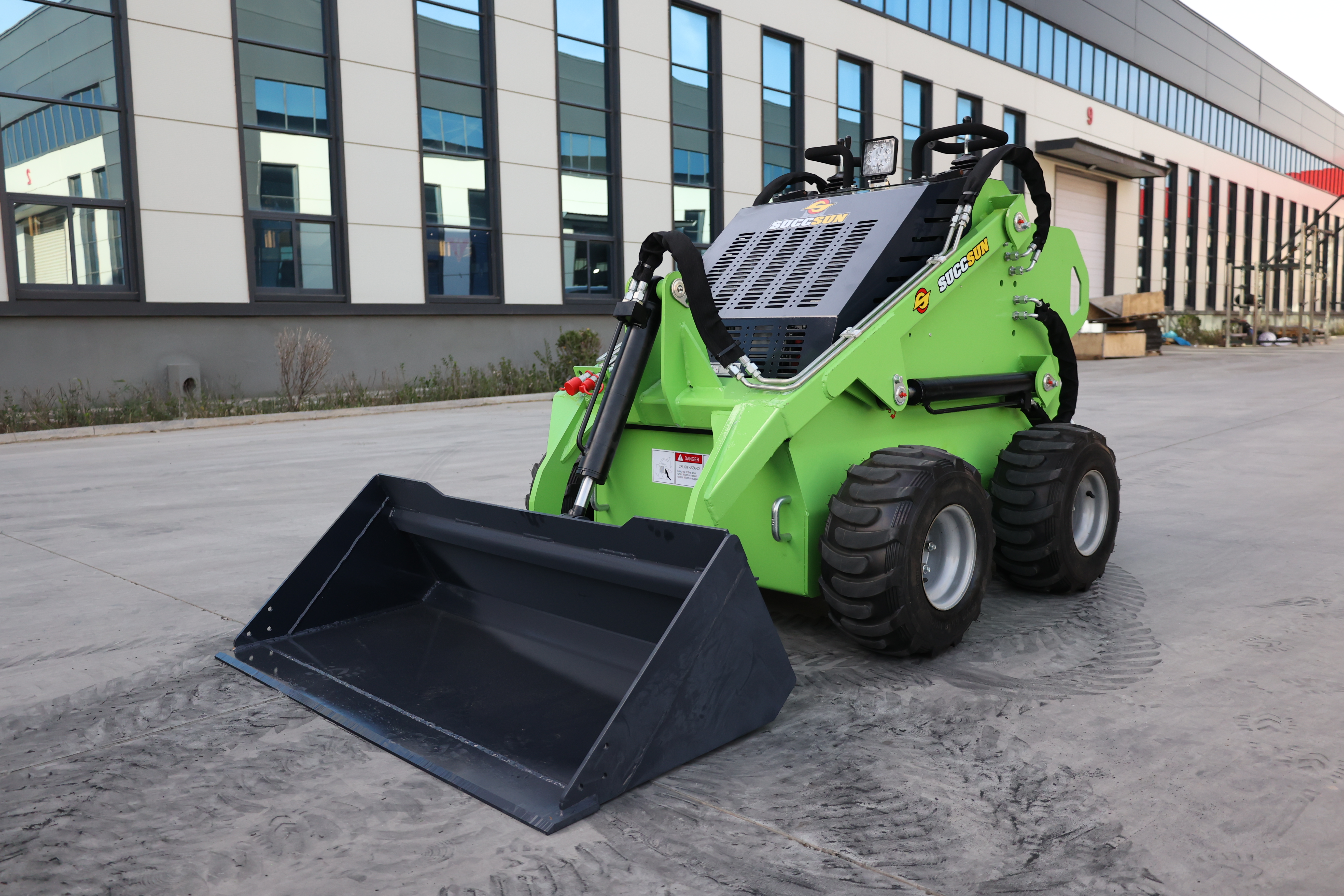
Unmatched Versatility: Core Applications of the Skid Steer Loader on Modern Job Sites
Excavation, Grading, and Land Clearing — Solving Diverse Site Prep Challenges
The skid steer loader is basically a game changer when it comes to getting complex site prep done right. These little workhorses pack a punch despite their small size, letting operators dig accurately even in really tight spots like those pesky utility trenches or around foundation beds without tearing up too much of the ground. Most contractors swear by them for clearing land selectively too, stripping away plants and junk while leaving the rest of the landscape pretty much intact. What makes these machines stand out? The controls respond so well that grading can be super precise, hitting those tricky slope requirements needed for proper drainage and keeping structures stable. And let's not forget about money savings. On smaller jobs, having one machine do all the heavy lifting instead of needing several different pieces of equipment cuts down costs somewhere around 30-40%. Especially helpful for projects where earthmoving happens in stages. Just switch attachments and boom - this single machine goes from digging deep holes to smoothing out surfaces to carting materials across the site. No waiting around for setup changes means work gets done faster.
Attachment Ecosystem: Buckets, Forks, Augers, and High-Flow-Compatible Tools
What makes skid steer loaders so versatile is their universal quick attach system that lets workers switch tools in less than a minute flat. Standard buckets handle moving dirt and debris around while pallet forks come in handy for lifting HVAC equipment, stacking lumber, or handling those awkward precast concrete pieces. The hydraulic augers can drill straight down through soil for fence posts or tree plantings too. With high flow hydraulics powering them, these machines can run all sorts of heavy duty attachments. Mulchers tear through thick brush, cold planers strip old asphalt surfaces clean, and concrete breakers take down walls and foundations without much trouble. Basically, one loader becomes several different machines on site, which cuts down on what companies need to buy and keeps things simpler logistically. Contractors who plan ahead and sequence their attachment changes throughout the day often finish jobs about 30 percent quicker according to field reports from construction sites across the country.
Productivity Accelerated: How Skid Steer Loader Agility and Efficiency Drive Project Timelines
Zero-Turn Radius and Compact Footprint Enable Operation in Tight Urban and Indoor Spaces
City construction projects, old building makeovers, and inside demolition work all need machines that can squeeze into tight spots where bigger equipment simply won't fit. Skid steer loaders have this amazing zero turn feature that lets them pivot completely on their own space, which means workers spend about 40% less time moving around in crowded areas. These machines come in widths from just five to eight feet wide, so they can easily maneuver through narrow alleys, backyard spaces, and even regular sized doors to get into indoor work locations that would otherwise be impossible for larger machinery. The real value comes when installing utilities in packed urban areas or doing interior demolition during commercial building updates. Instead of relying on slow manual labor that creates delays, these compact machines deliver steady results without the bottlenecks that plague traditional methods.
Quick-Attach Systems and Operator-Centric Design Reduce Downtime and Boost Task Throughput
With hydraulic quick attach systems, operators can swap out equipment like buckets, augers or forks within just over a minute while staying right inside the machine cabin. That's about three times faster than doing it manually. Think about what that means for productivity throughout the workday. Start off digging trenches first thing in the morning, then move on to lifting heavy materials around lunchtime, and finish up with final grading tasks as the sun sets. The machines themselves are built with operators in mind too. Most models come equipped with easy to use joysticks, comfortable seating that absorbs road vibrations, and clear views all around the machine. These features help cut down on mistakes caused by tired eyes or sore backs by roughly 15 to 20 percent according to field reports. When everything works together like this, crews get more done each day, experience fewer holdups, and actually complete entire projects weeks ahead of schedule compared to older equipment setups.
Strong ROI and Cost Control: Owning vs. Renting a Skid Steer Loader
The choice between buying or leasing a skid steer loader affects both finances and how flexible operations can be. Leasing cuts down on those big initial expenses and means someone else handles all the maintenance stuff, which works great for temporary jobs lasting less than half a year. Industry folks generally agree that after about eighteen to twenty four months of regular operation, what companies spend on rentals tends to surpass what they'd pay if they bought one outright. Owning these machines actually pays off better in the long run because running costs drop per hour, there are tax benefits such as being able to write off depreciation, plus no monthly lease payments hanging over the head anymore. Plus, having the machine around all day every day makes sense when unexpected work comes up, and allows for adding different attachments tailored to specific tasks. Sure, the price tag looks daunting at first glance, but contractors who need their loaders constantly tend to get their money back quicker while enjoying increased productivity and building equity in valuable assets over time.
Built for Reliability: Maintenance Best Practices and Safety Protocols for Long Service Life
Maximizing the lifespan of your skid steer loader hinges on disciplined maintenance and proactive safety protocols. Equipment failure costs construction firms an average of $740k annually (Ponemon Institute, 2023), making preventative care essential—not optional.
Daily Pre-Checks, Proactive Hydraulic System Care, and Common Issue Troubleshooting
Implement these critical routines every day:
- Pre-operation inspections: Check engine oil, coolant, and hydraulic fluid levels; verify tire pressure and condition; confirm attachment security.
- Hydraulic system care: Replace fluids per OEM guidelines, inspect hoses for abrasions or leaks, and monitor pressure gauges for anomalies.
- Troubleshooting focus: Address unusual noises, reduced lifting capacity, or hydraulic drift immediately—early intervention prevents costly cascading failures.
Complement technical diligence with human-centered safety practices: mandate quarterly operator certification refreshers, enforce standardized hand signals or radio protocols during multi-equipment operations, and apply lockout-tagout (LOTO) procedures rigorously during all maintenance. This integrated approach ensures safe, reliable performance—and protects your long-term ROI.
FAQ Section
What makes skid steer loaders versatile?
Skid steer loaders are versatile due to their universal quick attach system that allows operators to switch between various tools quickly, such as buckets, forks, and augers. This adaptability enables them to perform multiple functions like digging, grading, and moving materials.
Should I rent or buy a skid steer loader?
Renting may be more cost-effective for short-term or temporary projects, as it eliminates large initial expenses and maintenance responsibilities. However, purchasing a skid steer loader is generally more beneficial for long-term use, offering cost savings and tax advantages.
What maintenance practices help extend the life of a skid steer loader?
Daily pre-operation inspections, proactive hydraulic system maintenance, and prompt troubleshooting of issues are crucial. Additionally, enforcing safety protocols, operator certification refreshers, and standardized communication methods enhance operational efficiency and equipment longevity.
Table of Contents
- Unmatched Versatility: Core Applications of the Skid Steer Loader on Modern Job Sites
- Productivity Accelerated: How Skid Steer Loader Agility and Efficiency Drive Project Timelines
- Strong ROI and Cost Control: Owning vs. Renting a Skid Steer Loader
- Built for Reliability: Maintenance Best Practices and Safety Protocols for Long Service Life
- FAQ Section