 EN
EN


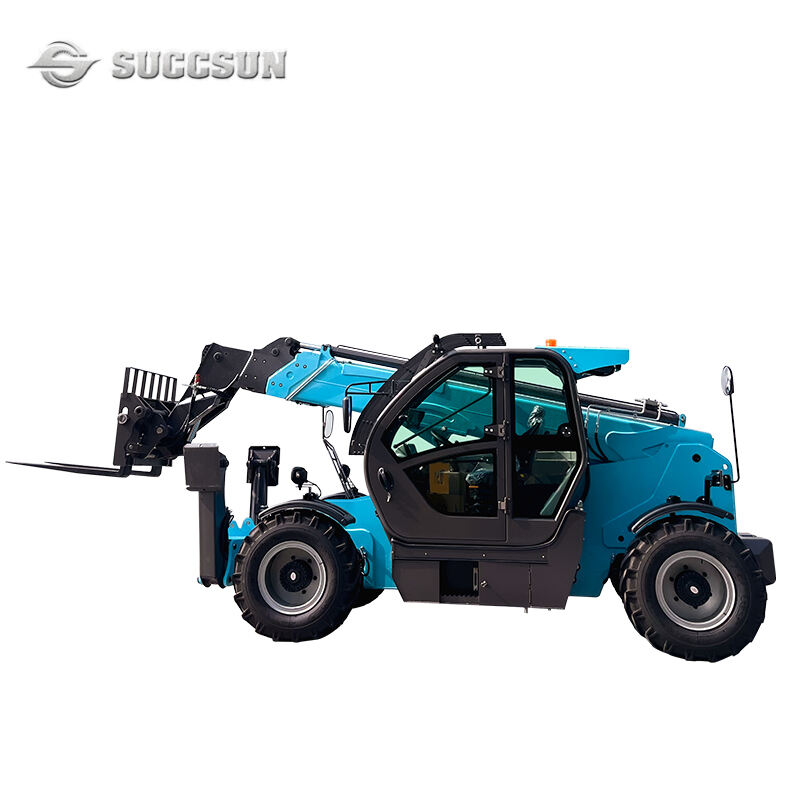
What Is a Small Crane Telehandler? Core Definition and Functionality
Understanding the Small Crane Telehandler and Its Distinct Role
The small crane telehandler combines aspects of both forklifts and cranes into one handy piece of equipment. While regular forklifts can only lift things straight up, these machines have this long extendable arm that goes out front and up high, making them great for putting stuff where it needs to go when space is tight. Most models can handle around 3 to 6 tons worth of weight, which makes sense why construction crews love them so much. They fit into places where bigger cranes wouldn't work but still pack enough punch compared to ordinary forklifts. On many job sites, especially those with limited room to maneuver, having access to such a flexible tool means getting the job done faster without bringing in multiple pieces of heavy machinery.
Key Features That Define Small Crane Telehandler Performance
Small crane telehandlers deliver solid performance even when conditions get tough. They come equipped with four wheel drive systems that handle rough ground pretty well, plus hydraulic telescopic booms which make lifting loads much smoother than standard equipment. Operators can swap out attachments easily too - think forks for pallets, buckets for debris, or platform attachments for workers. The compact frame design keeps things stable while working but still lets these machines squeeze through tight spaces where bigger machinery would struggle. Most models reach heights around 20 meters vertically, something regular forklifts just cant match. For construction sites or warehouse operations that need some serious lifting power without breaking the bank, these telehandlers beat renting big cranes hands down on smaller jobs.
Elevated Positioning and Material Handling: Design Principles Behind Compact Power
Small crane telehandlers pack serious power into compact packages thanks to their use of tough materials and clever counterweight designs that keep things stable without taking up extra room on site. These machines have an articulated frame that lets operators make those tight turns in cramped spaces, plus hydraulic systems that give just the right amount of control when extending the boom. What makes these units so valuable is their ability to deliver what bigger cranes can do but in much tighter spots. They're everywhere now from city building projects where there's no room to maneuver regular equipment, out on farms dealing with awkward loads between rows of crops, and inside factories doing maintenance work where every inch counts. The combination of being able to lift heavy stuff and still fit through narrow doorways or around obstacles makes them indispensable tools for modern operations.
Superior Maneuverability in Tight and Urban Workspaces
Navigating Confined Spaces: How Compact Size Enhances Job Site Flexibility
Small crane telehandlers have a real advantage in tight spaces because they're just not as big as other machines. Their smaller size means they can get into places that bigger equipment simply cant reach. These little workhorses move through narrow alleyways, inside buildings with tight hallways, and around all sorts of obstacles on busy job sites without needing constant repositioning, which saves time and money. The ability to maneuver so well really makes a difference when working on old buildings being renovated or in areas packed full of materials and machinery where getting around is always a challenge.
Urban Construction Challenges and the Advantage of Small Crane Telehandlers
City construction sites deal with all sorts of headaches like traffic jams, limited space for storing materials, and being right next door to buildings already standing there. That's where small crane telehandlers come in handy because they're built low to the ground and can do multiple jobs at once. These machines get things lifted where they need to go without taking up much room on the pavement below. This means less hassle for drivers trying to pass by and fewer problems with nearby roads and utilities getting knocked around. Contractors really love them when working on tall buildings, putting up exterior panels, or installing stuff on rooftops where bigger machinery just won't fit through the doors.
Case Study: Indoor Renovations and Space-Constrained Applications
In one warehouse upgrade last year, workers managed to get a compact telehandler working inside those tight 3 meter wide aisles, lifting stuff up to 15 meters high something regular forklifts or cranes just couldn't do. The whole operation saved them around 40% of the time spent moving materials around because everything was delivered straight where it needed to go instead of people dragging boxes all over the place. What this shows is that these smaller telehandlers can actually boost efficiency in warehouses where space is at a premium, and still manage to get the job done when it comes to lifting heavy loads.
Impressive Lifting Capacity and Vertical Reach Despite Compact Size
How Small Crane Telehandlers Deliver Power Beyond Their Footprint
Even though they're relatively small, crane telehandlers pack quite a punch when it comes to lifting stuff around. The secret lies in their reinforced frames and pretty good hydraulic systems, allowing these machines to pick up weights similar to what they weigh themselves. Traditional cranes usually need something like twice their weight just to stay stable, so this is actually pretty impressive. Those adjustable outriggers spread out the force across a wider area, making all the difference when working on rough ground or construction sites. Because of this mix of being compact yet powerful, these little workhorses find their way into everything from warehouse operations to outdoor maintenance jobs where space is tight but heavy lifting is still required.
Lifting Capacity Insights: 3–6 Tons with Up to 20m Vertical Reach
Most standard units can lift anywhere from about 3 to around 6 tons, and they typically reach heights of roughly 20 meters vertically. The lifting power does drop off a bit when the boom gets extended, but these machines still perform pretty well within a work area that ranges somewhere between 5 and almost 20 meters out. What makes them really useful is this combination of reach and lifting capability, which lets workers place heavy stuff accurately even at high places or hard to get to spots. They basically do what bigger machines do, but without all the bulk and hassle that comes with those larger units on site.
Balancing Strength, Stability, and Compact Design in Leading Models
Manufacturers at the top of their game combine strength, stability, and compact design through features like adaptive outriggers, reinforced boom structures, and materials that are both light weight and tough enough to handle rough treatment. When these elements come together properly, operators get machines that can safely carry full loads across all sorts of terrain including those bumpy job sites nobody wants to work on. What we end up with is equipment that stays nimble while still keeping workers safe and performing reliably. These machines find their way into construction zones, farming operations, and maintenance tasks where there's simply no room for standard lifting solutions but heavy duty capacity is absolutely necessary anyway.
Versatility Through Attachments: Adapting to Construction and Agricultural Needs
Expanding Utility: The Role of Interchangeable Attachments
What makes small crane telehandlers so valuable is how adaptable they really are thanks to all those different attachments that can be swapped out. One machine goes from moving pallets around to actually digging holes in the ground or even lifting workers up high just by switching out the tool at the end. Contractors love this because it means they don't have to buy and maintain several different pieces of equipment for every job site. Industry reports show that having one versatile machine instead of many specialty ones cuts down expenses quite a bit. For companies dealing with all sorts of projects while keeping an eye on their bottom line, these multi-tasking machines make financial sense according to BusinessWire's findings from last year.
Common Attachments: Forks, Buckets, Work Platforms, and More
The standard stuff comes with forks for picking up pallets, buckets for digging through dirt or clearing away debris, and those elevated platforms so workers can safely reach high places. There are plenty more attachments too - grapples grab all sorts of odd shaped things like hay bales or metal scraps, augers punch holes into the ground for foundations, and big wide blades cut through snow and ice when needed. Having all these different tools means a single telehandler can tackle jobs in construction, agriculture, landscaping, and beyond. Companies save money because they don't need separate machines for each task, and get more done without constantly swapping equipment around.
Real-World Applications Across Sectors and the Trade-Offs of Flexibility
On construction sites, telehandlers handle multiple tasks during just one day's work. They start by unloading materials with their forks, move on to grading rough ground using buckets, and finish up installing equipment via work platforms. Farmers find these machines equally valuable too. They haul animal feed across fields, neatly stack those big round hay bales, and even help maintain barn structures when needed. But there's a catch worth mentioning here. Changing attachments so often causes delays between jobs. Plus, every attachment needs regular upkeep and has to fit within what the machine can actually handle hydraulically and weight-wise. Good operators know this stuff inside out. They check if tools are compatible before attaching them, because mismatched gear strains both machinery and workers alike. After all, nobody wants flexible equipment turning into unreliable junk just because someone skipped a quick compatibility check first thing in the morning.
Small Crane Telehandler vs. Forklifts and Cranes: Finding the Right Fit
Telehandler vs. Forklift: Superior Reach and Outdoor Capability
Forklifts are definitely king inside warehouses, but when it comes to working outside on rough terrain, small crane telehandlers just beat them hands down. These machines come with four wheel drive and can stretch way higher than most folks realize sometimes over 6 meters in the air. They tackle those tough jobs nobody wants, like lifting materials onto high shelves or navigating muddy construction sites where regular forklifts would get stuck fast. The real magic happens because they mix good movement around the site with both up and across reaching power. That combination makes these telehandlers practically indispensable at building sites, farms dealing with heavy equipment, and anywhere infrastructure projects need something moved that regular machinery simply cant handle.
Compared to Traditional Cranes: Gaining Portability and Cost Efficiency
Big traditional cranes can lift tons of weight no doubt, but they cost a fortune to move around, set up, and run day to day. These machines aren't exactly portable either. They need their own special area on site plus all sorts of rigging equipment just to get going. Now compare that to a compact telehandler crane. These little workhorses deploy in minutes, roll right where they need to go across construction sites, and do two things at once lifting heavy loads while also moving them from place to place. When projects involve constantly moving positions or switching between different types of work, telehandlers make life so much easier for crews. The savings add up fast too when looking at overall running costs compared to those big beasts.
The Ideal Middle Ground: Where Crane Power Meets Forklift Agility
Small crane telehandlers sit right between regular cranes and forklifts, giving them both good lifting power and the ability to move around tight spaces. These machines can do all sorts of jobs at once. They stack pallets, put beams into place, even lift workers when needed, everything from one compact unit. For construction sites or warehouses where space is limited but things need to get done quickly, telehandlers are often the best bet. They work just as well as bigger machines but don't require all the extra setup and hassle that comes with operating large equipment.
FAQ
What is a small crane telehandler?
A small crane telehandler is a versatile piece of equipment that combines features of forklifts and cranes. It can lift and extend loads with a telescopic boom, making it ideal for tight spaces.
How does a small crane telehandler differ from a forklift?
Unlike forklifts, which mainly lift vertically, telehandlers can extend loads both vertically and horizontally, providing superior reach. They are also equipped to handle outdoor terrains better than forklifts.
What kinds of attachments can be used with a small crane telehandler?
Common attachments include forks, buckets, work platforms, grapples, augers, and snow blades, allowing the telehandler to perform various tasks in construction, agriculture, and landscaping.
Table of Contents
- What Is a Small Crane Telehandler? Core Definition and Functionality
- Superior Maneuverability in Tight and Urban Workspaces
- Impressive Lifting Capacity and Vertical Reach Despite Compact Size
- Versatility Through Attachments: Adapting to Construction and Agricultural Needs
- Small Crane Telehandler vs. Forklifts and Cranes: Finding the Right Fit
- FAQ