 EN
EN


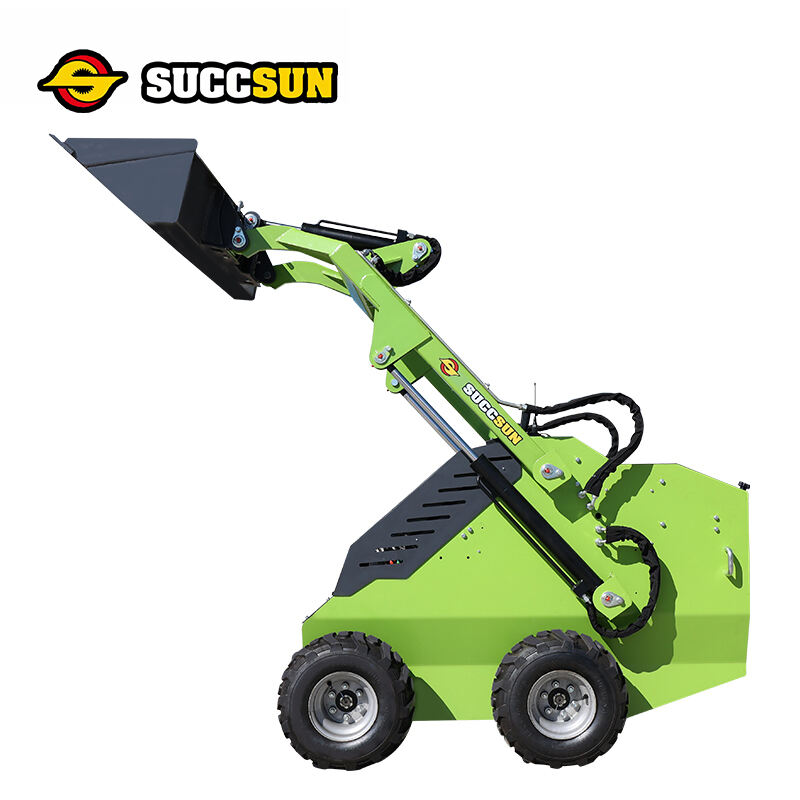
Why Electric Loaders Are Ideal for Hazardous Work Environments
Understanding hazardous work environments and operational risks
Hazardous work zones—including chemical processing plants, demolition sites, and unstable mining tunnels—expose workers to airborne toxins, collapsing structures, and extreme temperatures. These environments demand equipment that minimizes direct human intervention while maintaining performance under volatile conditions.
How electric loaders reduce exposure to toxic materials and unstable structures
Electric loaders eliminate combustion-engine emissions that can ignite flammable atmospheres or worsen respiratory risks in confined spaces. Their precise hydraulic controls allow careful material handling near compromised structures, reducing the risk of vibration-triggered collapses during debris removal.
Remote control operation: Keeping operators out of harm’s way
Integrated radio remote systems enable operators to maneuver loaders from up to 300 meters away, maintaining visual oversight through onboard cameras while avoiding exposure to falling debris, chemical spills, or unstable ground—common hazards in disaster recovery operations.
Remote-Control Operation: Maximizing Safety and Operational Efficiency
Eliminating direct operator exposure through remote control systems
Remote-controlled electric loaders allow operators to manage high-risk tasks like chemical waste removal from safe distances exceeding 300 feet. This technology mitigates dangers from structural collapse or toxic fume exposure–a benefit supported by a 2024 Industrial Safety Report showing 63% fewer injuries in facilities using remote systems compared to traditional methods.
Enhanced visibility, communication, and ergonomic benefits
Modern remote interfaces include panoramic camera feeds and real-time load sensors, offering spatial awareness beyond what’s possible from an in-cab position. Ergonomic remote stations reduce operator fatigue by 41% (Occupational Health Journal 2023), enabling sustained focus through intuitive touchscreen dashboards and eliminating the need for frequent machine entry and exit.
Fail-safe mechanisms and reliability in critical operations
Redundant battery systems and auto-braking load sensors instantly halt operations when unstable terrain or overheating is detected, contributing to 99.97% operational reliability across more than 12,000 hours in mine clearance missions.
Compact Design and Superior Performance in Confined Spaces
Electric loaders combine compact dimensions with robust power delivery, achieving 32% narrower turning radii than diesel models (Construction Equipment Insights 2023). This design supports safe operation in tunnels under 8 ft wide and demolition zones with &EUR;40" clearance–spaces where larger equipment increases collision and instability risks.
Maneuverability of Electric Mini-Loaders in Tight Mining and Demolition Zones
These compact electric mini-loaders are only 74 inches wide but they can actually turn all the way around in place. That makes them really useful for cleaning up debris in tight spaces like collapsed mineshafts where bigger equipment simply won't fit. They also work great when moving around between support columns during city demolition projects without risking damage to nearby buildings or structures. According to research published last year looking at accidents in tight construction environments, workers reported about 68 fewer collisions per hundred operations when using these smaller electric models instead of traditional heavy machinery. The difference is pretty significant for safety crews dealing with dangerous conditions daily.
Key Applications in Demolition, Waste, and Recycling Industries
Electric Loaders in Chemical Waste and Contaminated Material Handling
When dealing with dangerous stuff like chemical leftovers or old asbestos-filled rubble, electric loaders just make more sense compared to regular machines that might cause explosions or spread contamination. The sealed motors don't spark, which is a big deal when working around flammable materials. Plus, batteries mean there's no exhaust coming out to mix with whatever volatile chemicals might be hanging around. A recent study from the Industrial Recycling folks showed something interesting too - about two thirds of places handling hazardous waste have started going electric these days. Makes sense really, since OSHA keeps tightening those air quality rules, and nobody wants to get fined for bad emissions while cleaning up toxic messes.
Productivity Gains from Remote Operation in Recycling Facilities
Remote-controlled electric loaders reduce manual sorting errors in metal scrap yards and glass recycling plants by 18%, based on 2023 operational data. Operators manage machines from protected cabins or off-site locations, minimizing exposure to airborne particulates and sharp debris. This setup enables uninterrupted material processing during peak hours without compromising safety.
Balancing Automation Benefits with Workforce Integration Concerns
While remote operation improves safety, a 2024 industry survey found that 52% of frontline workers have concerns about job displacement. Leading companies address this by implementing cross-training programs that transition experienced operators into remote-system supervisor roles, combining practical field knowledge with new technological competencies.
FAQs
What are the benefits of using electric loaders in hazardous environments?
Electric loaders provide zero emissions, reduced noise, and compact design, making them safe for indoor and confined spaces and minimizing exposure to toxic materials.
How do electric loaders improve safety through remote operation?
Remote control systems allow operators to manage loaders from a safe distance, reducing exposure to structural collapses or noxious fumes.
What advancements are driving the efficiency of electric loader technology?
Advancements in battery and AI technology, such as lithium-sulfur batteries and autonomous capabilities, enhance operational efficiency and reliability.
Are there economic benefits to using electric loaders?
Electric loaders reduce downtime and maintenance costs, thanks to fewer moving parts and extended battery life, while enhancing productivity in recycling and waste management.