 EN
EN


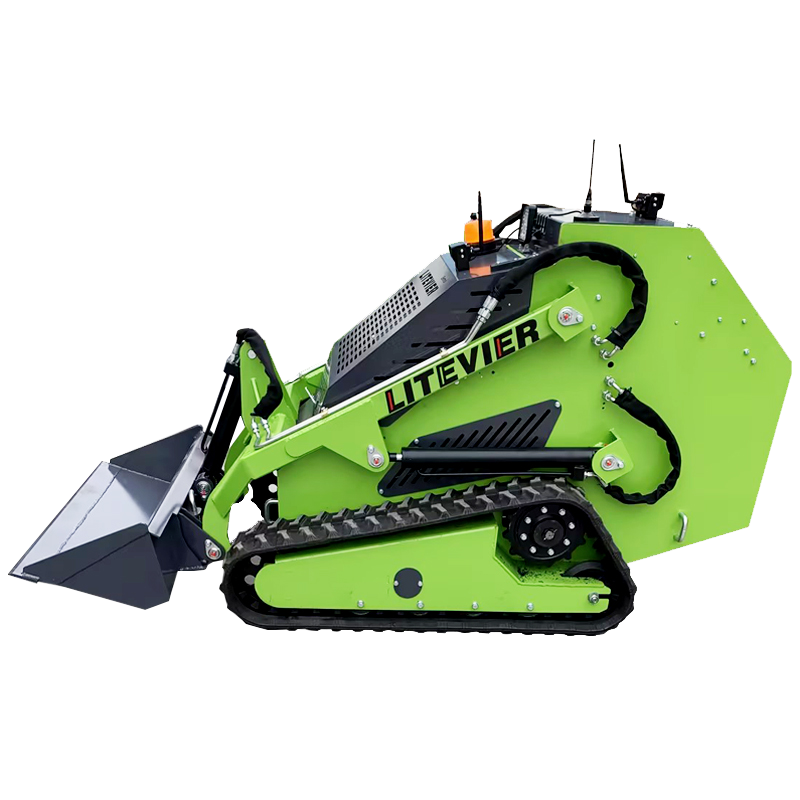
Skid Steer Loader: Labor Cost Reduction Through Multi-Functionality and Machine Consolidation
40% reduction in man-hours for material handling, grading, and cleanup tasks
Skid steer loaders help save money on labor because they handle multiple jobs at once instead of needing different machines for each task. These machines take care of transporting materials around the site, grading the land properly, and cleaning things up after work is done all from one unit. No need to switch equipment or wait for other workers to arrive. Workers can just hop right into different tasks without stopping what they're doing. They grab debris with their buckets, adjust the ground level using those big blades controlled hydraulically, then sweep away dirt with built-in brushes when needed. Looking at actual landscaping projects, most companies report saving about 12 hours of labor for every 100 hours worked, which cuts down total time by roughly 40%. Projects finish faster this way, saves money on wages, and gets rid of those frustrating delays that happen when trying to coordinate multiple crews with different skills.
Eliminating the need for separate excavators, pallet jacks, and sweepers—consolidating into one Skid Steer Loader
When companies replace those three separate machines with just one Skid Steer Loader, they cut down on both equipment expenses and how complicated things get around the worksite. Think about it: excavators typically rent for around $285 per day according to recent industry reports, plus there's all that money spent on fixing pallet jacks and buying fuel for sweepers. Now imagine absorbing all those costs into just one powertrain system. Operators don't need any special training when switching tasks either, which isn't something we can say about older methods where different people operated each piece of machinery separately. Putting everything together cuts transportation bills, insurance costs, and saves tons of storage room too—about three quarters less space needed in tight city lots actually. Maintenance becomes so much easier since there's only one engine and hydraulic system to keep an eye on instead of dealing with three separate ones. Big name contractors have seen their overall costs drop by roughly 30% after five years of using this approach. And let's not forget about the paperwork side of things. Compliance officers love having simpler records to manage and fewer safety checks to perform across multiple pieces of equipment.
Productivity Gains Enabled by Superior Maneuverability and Zero-Radius Turning
Effortless operation in confined spaces: urban job sites, warehouses, barns, and indoor facilities
Skid steer loaders work really well in cramped spaces because they can pivot on the spot without needing room for big turns. No more awkward U-turns when moving around stuff in tight warehouse corridors, during city construction projects, or even inside barns with animals. The operators can get right up close to walls, equipment, or delicate structures without wasting time backing up and maneuvering again. According to some industry studies, workers complete tasks about 15 percent faster in these tight spots simply because they don't have to clear space for those wide sweeping turns that regular machines need.
Minimized repositioning downtime accelerates project timelines across residential and commercial builds
The zero turn feature cuts down wasted motion by about 25% at commercial job sites according to field reports. Workers get through foundation work and demo tasks much quicker compared to standard loaders since they don't need to constantly shift back and forth when changing directions. Take one real world example where a crew finished clearing out a 5,000 square foot retail store in just three hours flat, whereas it would normally take four. That saved around $380 on labor costs for each project. The time savings really matter whether building custom homes from scratch or renovating floors in high rise buildings. Contractors report being able to squeeze in extra jobs during peak seasons thanks to these efficiency boosts.
Time Efficiency via Rapid Attachment Swapping and Single-Operator Multi-Tasking
Versatile Skid Steer Loader attachments: buckets, forks, brooms, augers, trenchers, and cold planers
Quick connect systems today let workers switch out attachments like buckets, forks, brooms, augers, trenchers, even cold planers in less than 90 seconds flat. That beats old school manual pin systems by about 40 percent speed wise because these new hydraulic couplers just snap right into place without all that fiddling around for alignment and they keep pressure losses to a minimum too. When attachments are staged properly and changes happen without tools, one person can do trench work, haul stuff around, then clean up everything without stopping the machine much at all. Studies show this cuts down on wasted machine time somewhere around 30%. What does this mean? Compact loaders become real multitaskers. Instead of needing different teams or swapping equipment constantly, a single operator can move between six different attachments throughout the day. On those tricky residential job sites where space is tight and things get complicated fast, contractors report seeing roughly 25% more work gets done each day when using these systems. Plus operators don't wear out as quickly since they spend less time wrestling with connections.
Sustained Operational Efficiency: Lower Downtime and Operator Fatigue
Skid Steer Loaders sustain high productivity by minimizing unplanned downtime and operator fatigue—two major cost drivers in construction. Unplanned failures cost firms an average of $740k annually (Ponemon Institute 2023), making reliability essential. These machines support sustained efficiency through:
- Predictive maintenance readiness: Simplified access points enable faster diagnostics and repairs, preventing minor issues from escalating
- Ergonomic operator environments: Vibration-dampening seats and climate-controlled cabins reduce physical strain during extended shifts
- Streamlined serviceability: Centralized grease points and tilt-up cabs cut routine maintenance time by 30% versus traditional equipment
The result is consistent operator performance across full work cycles—keeping projects on schedule and labor costs predictable. In competitive bidding environments where margins hinge on uninterrupted workflow, this operational resilience delivers a decisive advantage.
FAQ
What are Skid Steer Loaders?
Skid Steer Loaders are versatile machines used in construction and landscaping that can perform multiple tasks with different attachments.
How do Skid Steer Loaders reduce labor costs?
They reduce labor costs by allowing one machine to handle multiple tasks, eliminating the need for multiple operators and diverse equipment.
Why is zero-radius turning beneficial?
Zero-radius turning allows Skid Steer Loaders to operate efficiently in confined spaces without needing wide sweeping turns.
How does rapid attachment swapping improve productivity?
It minimizes downtime by quickly allowing workers to switch between different tools, enabling a single operator to perform varied tasks efficiently.
What factors contribute to Skid Steer Loaders' sustained operational efficiency?
Predictive maintenance, ergonomic operator environments, and streamlined serviceability contribute to their efficiency.
Table of Contents
- Skid Steer Loader: Labor Cost Reduction Through Multi-Functionality and Machine Consolidation
- Productivity Gains Enabled by Superior Maneuverability and Zero-Radius Turning
- Time Efficiency via Rapid Attachment Swapping and Single-Operator Multi-Tasking
- Sustained Operational Efficiency: Lower Downtime and Operator Fatigue