 EN
EN


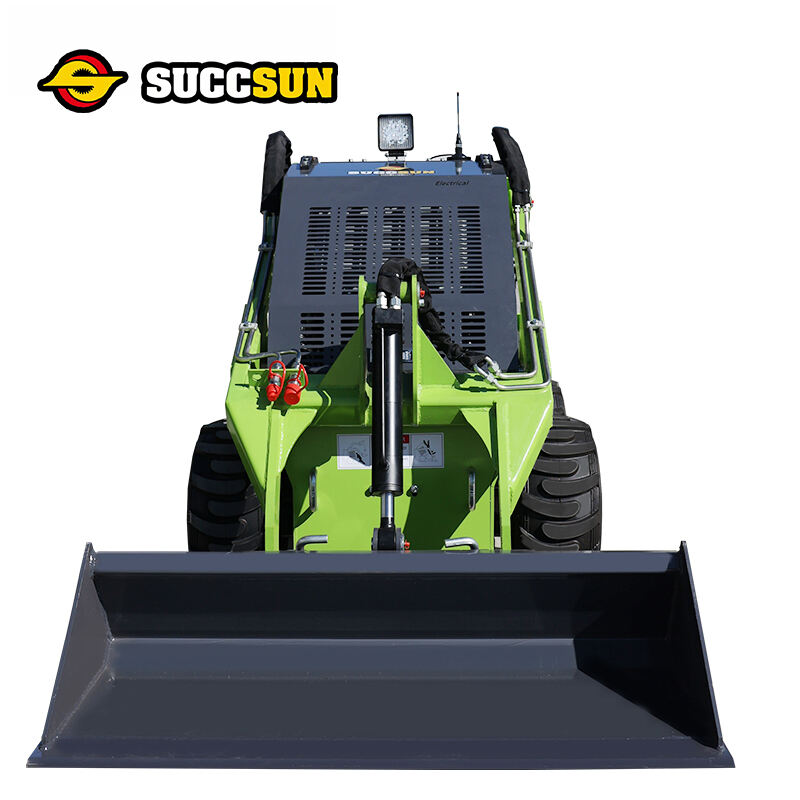
Why Wheeled Mini Skid Steer Loaders Deliver Superior ROI in Urban Settings
Lower Upfront Investment and Operational Costs vs. Full-Size or Tracked Alternatives
Mini skid steer loaders with wheels cost about 40 to 60 percent less upfront compared to their bigger brothers according to EquipmentWatch from last year. And operators can save around twelve dollars each hour just from burning less fuel and needing fewer repairs overall. The big plus comes from those tires instead of tracks. No need to keep replacing expensive tracks which makes all the difference when working on city streets or other paved areas. Tracks tend to wear out fast there, adding hundreds if not thousands to maintenance bills over time. For businesses running equipment day in and day out, this kind of savings really adds up month after month.
| Cost Factor | Wheeled Mini Loader | Tracked Loader | Full-Size Loader |
|---|---|---|---|
| Initial Purchase | $25k–$35k | $35k–$50k | $45k–$70k |
| Hourly Fuel Use | 1.1–1.4 gallons | 1.6–2 gallons | 2.5–3.5 gallons |
| Annual Maintenance | $900–$1,400 | $1,800–$3,000 | $2,500–$4,000 |
Faster Payback Through Multi-Shift Utilization on High-Demand City Projects
Most urban contractors see a return on investment around 14 months after they start using wheeled equipment for multiple daily shifts. These machines work about 25 percent faster on paved roads according to industry reports from last year. Contractors can finish three sidewalk repair jobs in roughly the same timeframe it used to take them to complete just two. That means profits go up anywhere from 22 to 35 percent compared to older methods. Plus, because these machines aren't too big, workers can store them safely right at tight construction sites overnight. No need to haul them back and forth between shifts which saves time and money overall. The smaller footprint also makes better sense when space is limited on city streets.
Unmatched Maneuverability: Zero-Turn Radius and Compact Design for Tight Urban Sites
Navigating Sub-3m Alleyways, Pedestrian Zones, and Historic Districts Without Reconfiguration
Mini wheeled skid steer loaders really shine in tight spaces where regular equipment just can't fit. These compact machines measure less than 2 meters wide and have that sweet zero turn radius feature, so they can squeeze through narrow alleys that are common in most old town areas across Europe. No need to spend extra money on modifying sites or changing infrastructure. Compared to their tracked counterparts which need more room to maneuver, these smaller units actually work right inside pedestrian walkways and around precious historical buildings. The operators get stuff placed super close to obstacles too, often within just a few centimeters away. This saves loads of time compared to bigger machines that take about 30 to 45 minutes each time they need to be moved during a job. That kind of efficiency matters a lot when dealing with underground pipes or delicate structures where disturbing the ground even slightly could cause problems.
Hydraulic Steering Geometry Enabling True 360° Pivot in Confined Spaces
Urban machines need true agility for tight city spaces, and this comes down to how they combine hydraulic steering with individual wheel motors. When power gets distributed differently across wheels, these vehicles can change directions instantly and even spin around completely right there in small areas as tiny as four meters square. No more worrying about minimum turning radius restrictions means operators can pivot their machines inside spots smaller than what most cars park in. The hydraulic system responds so well that attachments can be positioned with incredible accuracy close to walls or digging into narrow trenches something that matters for almost all construction work happening in cities according to industry data. All this precision means workers spend way less time moving equipment back and forth between jobsites crammed together in limited spaces, which speeds things up considerably when every inch counts.
Urban-Specific Applications: Efficient Pathwork, Debris Removal, and Site Prep in Limited-Access Areas
Case Study: Historic Sidewalk Renovation in Jinan – 62% Time Savings vs. Manual Labor
In the middle of restoring Jinan's historic neighborhoods, workers had to deal with alleyways barely 1.8 meters wide and old infrastructure from over a hundred years ago that made standard machinery impossible to use. They turned to small wheeled skid steer loaders fitted with special brooms and shallow buckets. These machines let operators clear away around 18 tons of junk each day while squeezing through narrow turns without scratching those precious old curbstones. The hydraulic tilt feature was a game changer for leveling out the bumpy brick paths, and the rubber tires meant less shaking got transmitted to nearby buildings. What did this all mean? Projects finished about 62 percent quicker than if they'd done everything by hand, which matters a lot when trying to keep traffic flowing in busy areas. More cities are starting to favor these nimble machines too. According to Urban Infrastructure Journal from last year, developments where there's less than 3 meters of space see machines being used 45 percent more often across Asia Pacific redevelopment sites.
Attachment Versatility for Noise- and Space-Sensitive Urban Tasks
City building projects really need machines that can adapt, stay quiet, and fit into tight spaces. That's where those little wheeled skid steer loaders come in handy because they have these quick change hydraulic couplers. With these couplers, workers can swap out attachments pretty fast, usually within a minute or so, which helps keep noise down during those early morning hours when people are trying to sleep in nearby neighborhoods and schools. We see them used all the time for things like trench digging during daytime utility installations, street sweeping in areas where pedestrians walk around, and even special quiet augers working late at night on foundations close to hospitals. The big advantage here is that it cuts down on how much manual labor is needed, probably saving about half the workforce compared to doing everything by hand. Plus nobody has to haul heavy equipment back and forth through those narrow alleyways anymore. And speaking of practical benefits, the way these couplers are designed actually stops most hydraulic fluid from leaking out, something that matters a lot when working near old buildings or places with strict environmental protections.
FAQ
How much cheaper is a wheeled mini skid steer loader compared to tracked or full-size loaders?
Wheeled mini skid steer loaders typically have an upfront cost 40 to 60 percent lower than tracked or full-size loaders, making them a cost-effective choice for urban projects.
Why do wheeled mini skid steer loaders offer faster payback?
These loaders can work about 25 percent faster on paved roads and help urban contractors see a return on investment in about 14 months due to their multi-shift utilization capabilities.
What makes wheeled mini skid steer loaders more maneuverable?
They have a compact design with less than 2 meters in width and a zero-turn radius, allowing them to navigate through tight spaces such as pedestrian zones and narrow alleys.
How do wheeled mini skid steer loaders handle noise-sensitive urban tasks?
They are equipped with quick change hydraulic couplers that allow fast attachment changes, reducing noise during early morning or late-night work while providing efficient performance in noise-sensitive areas.
Table of Contents
- Why Wheeled Mini Skid Steer Loaders Deliver Superior ROI in Urban Settings
- Unmatched Maneuverability: Zero-Turn Radius and Compact Design for Tight Urban Sites
- Urban-Specific Applications: Efficient Pathwork, Debris Removal, and Site Prep in Limited-Access Areas
- Attachment Versatility for Noise- and Space-Sensitive Urban Tasks
- FAQ