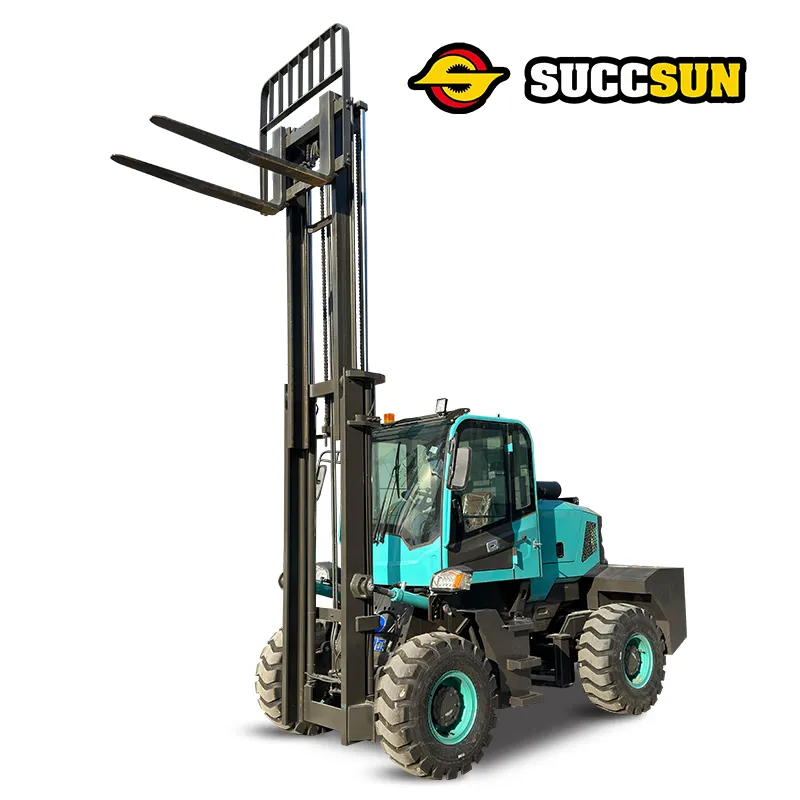
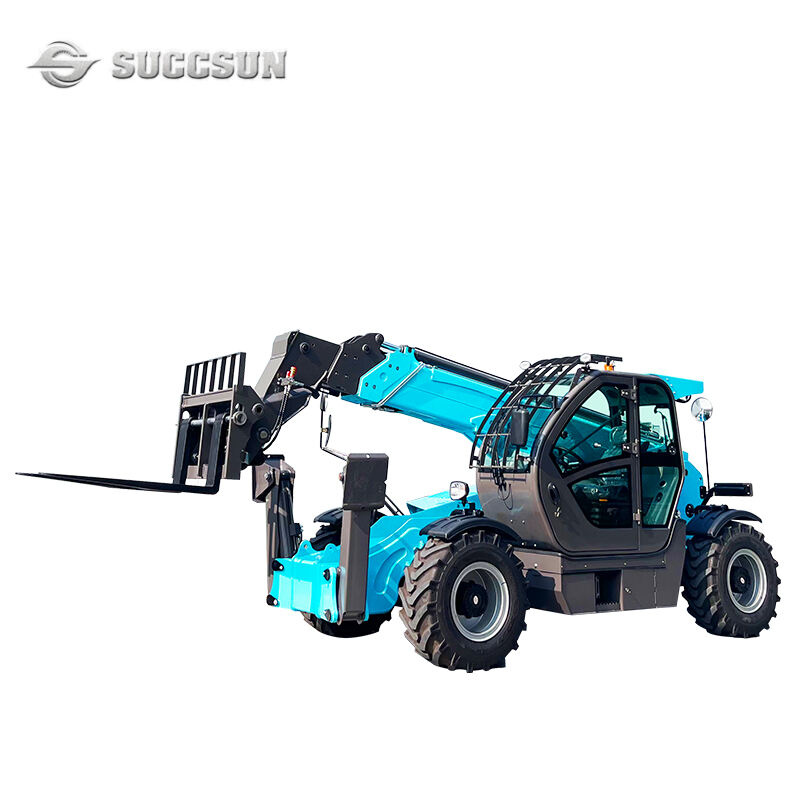
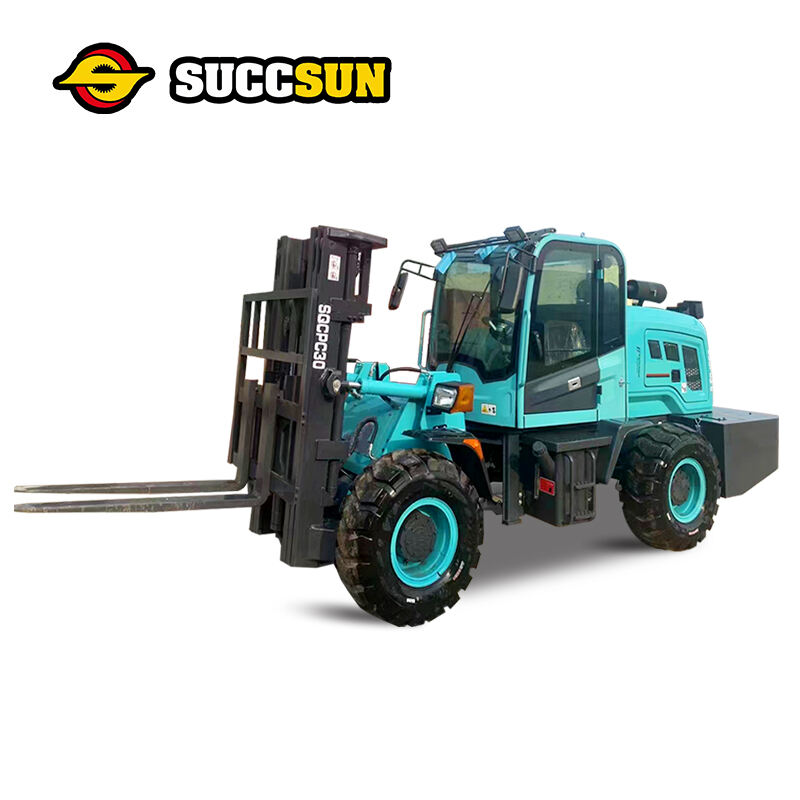
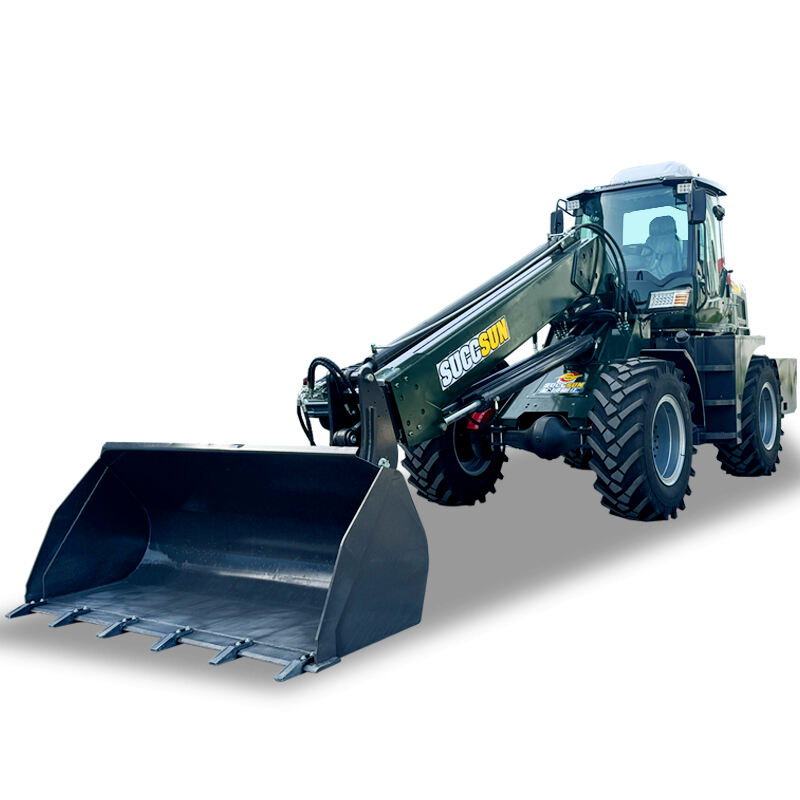
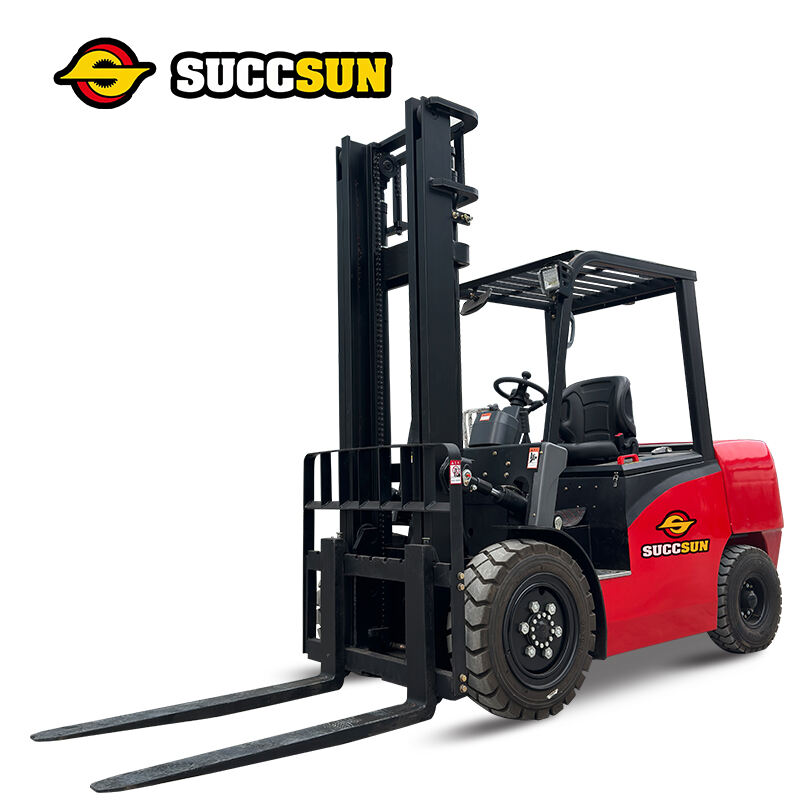
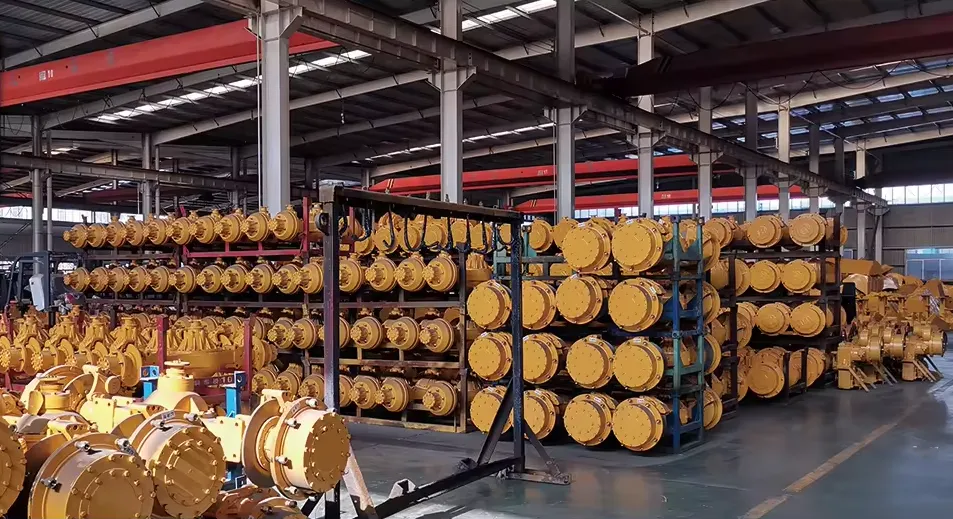
For businesses operating on unpaved terrain, 4WD (four-wheel drive) forklifts are not just ordinary equipment—they are strategic solutions that break through terrain limitations. While traditional two-wheel drive forklifts struggle on muddy slopes at construction sites, loose gravel at storage yards, slippery grassy slopes at farms, or rugged terrain at mining sites, all-terrain 4WD forklifts leverage their revolutionary four-wheel drive system to turn terrain challenges into productivity advantages. Their core value lies in their all-wheel drive torque distribution technology, which balances traction to conquer 30% slopes, deep mud, sandy terrain, and snow-covered surfaces, completely eliminating operational downtime caused by equipment slippage. More importantly, its industrial-grade protection system, comprising a reinforced chassis frame, strengthened drive axles, and high-traction pneumatic tires, can withstand extreme conditions such as timber collisions in forestry transportation, rock impacts in mining areas, and sharp metal scratches from construction debris, reducing equipment downtime by over 40%.
Safety performance innovation is another core competitive advantage—the four-wheel drive system combined with a low center of gravity design significantly reduces the risk of rollover on slopes. When handling non-standard loads such as 5-ton steel coils or containers, the rollover stability angle is improved by 27% compared to two-wheel drive models. This enables timber processing plants to continue transporting logs during the rainy season, agricultural cooperatives to safely stack feed pallets on 15-degree slopes, and construction companies to efficiently load and unload building materials at the edges of excavation pits without compacting the ground. Most importantly, all-terrain adaptability unlocks spatial productivity: mines can directly load, unload, and sort materials at ore stockpiles; ranches can transport feed across regions without constructing paved roads; and ports can quickly process containers at unpaved temporary stockpiles, saving over $150,000 annually in site modification costs.
Although the purchase cost is higher than standard forklifts, the 4WD forklift offers significant lifecycle value advantages. Its weather-resistant design extends equipment lifespan to over 12,000 working hours, with the cost difference recouped in the first year alone through reduced excavator rescues, equipment maintenance, and downtime losses. For engineering contractors, agricultural and forestry enterprises, and resource extraction companies reliant on outdoor operations, investing in 4WD forklifts is equivalent to purchasing a year-round operational pass, serving as the ultimate solution to transform terrain constraints into competitive advantages.
 EN
EN