 EN
EN


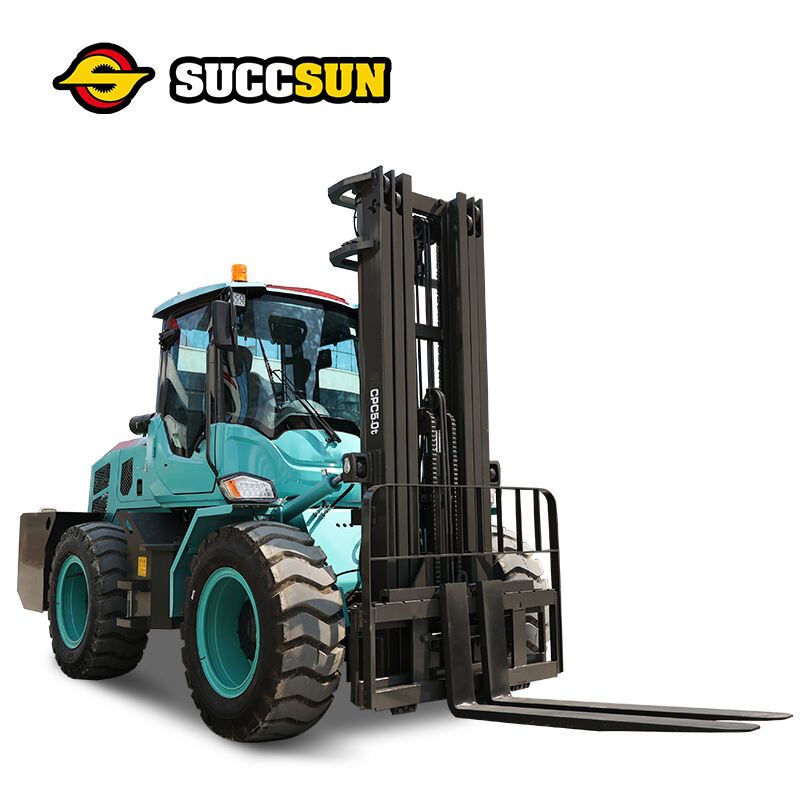
Why All Terrain Forklifts Are Essential for Modern Construction and Outdoor Sites
Growing Demand for All Terrain Forklifts in Challenging Job Environments
The market for all terrain forklifts is really taking off these days because businesses need machines that can handle rough spots. We see this happening everywhere from construction sites to farms and roadwork projects where the ground isn't flat or stable enough for regular forklifts to do their job properly. A survey done last year found that almost 8 out of 10 infrastructure jobs saw a 40% drop in delays when switching to all terrain models instead of standard ones (source: Industrial Equipment Survey 2023). The bottom line is simple: companies just cant afford downtime anymore. They need reliable equipment that keeps working no matter what kind of dirt, rain, or heavy loads get thrown at it during those long workdays.
How All Terrain Forklifts Master Uneven and Unpaved Terrains
All terrain forklifts really shine when dealing with tough terrain thanks to some special engineering touches most regular models just don't have. Take those deep treads on the pneumatic tires for instance they grip like crazy on mud, rocks, or anything slippery and loose. And let's not forget about the ground clearance either typically between 10 and 18 inches which keeps the undercarriage safe from getting damaged by rocks, sticks, or whatever else might be lying around. The four wheel drive system is another big plus since it sends power to all wheels at once, so operators stay stable and keep moving forward even on steep hills or shaky ground. What makes these machines truly stand out though are their advanced hydraulics that work behind the scenes to balance weight distribution and maintain stability. This means operators can move heavy stuff around safely without worrying about tipping over on bumpy surfaces. According to some field tests published in Construction Equipment Report last year, these specially designed machines actually last longer parts wear down about 30 percent slower than traditional forklifts when used outdoors.
Strategic Integration into Early Project Planning for Maximum Efficiency
Bringing all terrain forklifts into the picture right at the start of construction or outdoor projects makes operations run much smoother and saves money in the long run. When project managers actually plan ahead and get these special machines on site early, they cut down on how long it takes to move materials around rough ground. No more wasting time or breaking equipment because regular machinery just doesn't work well on uneven surfaces. Getting these forklifts involved early means better planning for routes through tricky areas, figuring out how best to distribute loads without overworking anything, and creating safety rules that actually make sense for whatever terrain problems exist. Take a look at what happens when companies wait until later stages to bring in the right equipment versus those who plan properly from day one. The difference is night and day when it comes to keeping projects moving forward without unexpected delays and replacing damaged gear constantly.
Core Features That Set All Terrain Forklifts Apart from Standard Models
Heavy-Duty Chassis and High Ground Clearance for Rugged Use
All terrain forklifts come with a heavy duty steel frame and much greater ground clearance than regular models, usually around 10 to 18 inches give or take. With this kind of setup, operators can drive over rough spots, rocks, and bumpy ground without worrying about damaging the undercarriage. According to the Construction Equipment Report from 2023, these machines actually last longer because parts wear down about 30% slower when working outside in tough conditions. That means less frequent repairs and replacement parts, which saves money in the long run for companies that need reliable equipment day after day.
All-Terrain Tires and Four-Wheel Drive for Superior Traction
All terrain forklifts come with big pneumatic tires and four wheel drive that give them great traction even when working on tricky ground conditions such as muddy areas, gravel patches or sloped terrain. The tires run at around 10 to 15 psi which helps soak up shocks and keeps things moving forward without getting stuck. Meanwhile, the four wheel drive spreads power across all wheels so there's less chance of spinning out. Together these features let operators work safely on hills with angles up to about 15 degrees something regular forklifts just can't handle since they're built mainly for flat pavement and only manage slopes around 5 degrees at most before tipping becomes a serious risk.
Advanced Hydraulic Stability and Load Control Systems
The hydraulic systems found in modern all terrain forklifts offer much better control over loads when working on rough or unstable ground. What makes them stand out is their ability to tweak pressure settings and redistribute weight as needed, which keeps cargo from shifting around during operations. This helps cut down on product loss and minimizes potential accidents at job sites. Manufacturers have also incorporated stability monitoring technology along with special suspension features that actually sense changes in surface conditions. When faced with muddy patches or hillsides, these machines maintain their grip and continue functioning reliably without compromising safety standards.
All Terrain Forklift vs. Traditional Forklifts: Key Performance Differences
Superior Performance on Soft, Sloped, and Unstable Surfaces
All terrain forklifts really shine when working on rough ground, giving operators something standard machines just can't match in terms of staying upright. Regular forklifts work best on smooth pavement with only small hills, maybe around 5 degrees max. But these tough all terrain units tackle slopes going up to 15 degrees because they have those fancy hydraulic systems keeping them balanced. Construction crews love this feature since job sites are rarely perfect - think about dirt lots, gravel pads, or uneven concrete slabs. The numbers back this up too. According to some industry research from last year, all terrain models stay stable about 92% of the time on rocky ground, whereas regular ones drop down to roughly 58%. What makes this possible? Those big pneumatic tires inflated between 10 and 15 psi give much better floatation over soft surfaces. Workers won't see their machines getting stuck in mud pits or sinking into gravel like happens so often with the hard rubber or solid tires found on standard equipment. This whole package means materials get moved reliably even in conditions where normal forklifts would either struggle or pose safety risks.
Extended Mobility Range and Operational Flexibility in Outdoor Settings
All terrain forklifts offer something regular models just cant match when it comes to getting around different kinds of outdoor spaces without swapping out gear. While normal forklifts are stuck inside warehouses or on smooth pavement, these rugged machines can switch between terrains instantly. Think about how long workers used to spend changing equipment before they could start work elsewhere maybe 45 minutes or more now its basically nothing at all. The real benefit? Materials get moved between hills and flat areas much quicker, cutting down cycle times by roughly 35%. What makes this possible? Four wheel drive and those thick all terrain tires grip onto dirt paths, gravel patches, and bumpy ground where standard forklifts would simply get stuck. For construction sites or other complicated locations, having one machine do everything saves money in the long run. Equipment gets used more often too, jumping from around 55-65% utilization to as high as 85-92%. And companies save half their yearly maintenance bills because they dont need to keep retrofitting standard forklifts for rough conditions anymore.
Real-World Applications of All Terrain Forklifts Across Industries
Critical Role in Road, Bridge, and Infrastructure Construction
All terrain forklifts play a vital role in infrastructure work when regular machinery just won't cut it. With plenty of ground clearance and those powerful four-wheel drive systems, these machines can tackle rough spots on job sites, moving around construction rubble, freshly dug earth, and other tricky terrain. They're also built to haul serious weight - think steel beams, big chunks of concrete, and all sorts of piping materials. Contractors report seeing about a 40% drop in time lost waiting for materials to move between locations on large scale projects. Makes sense why so many construction managers rely on them to keep things running on schedule despite all the chaos typical of active building sites.
Efficient Material Handling in Agriculture and Timber Operations
Farms and forests really need all terrain forklifts when working in tough spots where regular equipment just won't cut it. These rugged machines can move around hay bales, carry feed bags, and even haul heavy farming gear across those muddy patches and rocky ground that would stop normal forklifts dead in their tracks. When it comes to cutting down trees, these bad boys are essential too. They give workers the strength needed to load up logs and wood piles on hillsides covered in branches and dirt. No matter if it's raining or the ground is soft after a storm, these machines keep things moving without missing a beat, which makes them invaluable tools for anyone dealing with rough outdoor conditions day in and day out.
Emergency and Disaster Relief: Rapid Deployment in Remote Areas
All terrain forklifts can be deployed fast, which is why they're so useful during emergencies and after disasters strike. These machines work wonders in places that are hard to get to, whether because roads are damaged or completely blocked off. They move supplies, medical gear, and even help clear away debris where regular equipment just won't go. The real advantage comes from getting those vital items to people who need them right away. Time matters a lot in these situations, and having something that can navigate rough terrain makes all the difference in mounting an effective response.
FAQ
What are all terrain forklifts?
All terrain forklifts are specialized forklifts designed to work on rough and uneven terrains where traditional forklifts struggle. They feature advanced stability, hydraulic systems, high ground clearance, and durable tires, allowing them to operate efficiently on mud, gravel, and slopes.
How do all terrain forklifts differ from standard forklifts?
Unlike standard forklifts, all terrain forklifts have features such as four-wheel drive, pneumatic tires, and high ground clearance that allow them to navigate challenging terrains. They are also equipped with advanced hydraulic stability systems that ensure balanced weight distribution, reducing the risk of tipping over on uneven surfaces.
Where are all terrain forklifts commonly used?
These forklifts are widely used in industries such as construction, agriculture, timber operations, and emergency relief. Their ability to handle heavy loads on unstable ground makes them vital for moving materials in roadworks, farms, forests, and during disaster relief operations.
What are the benefits of using all terrain forklifts in project planning?
Incorporating all terrain forklifts in project planning from the start improves efficiency, decreases operational delays, and reduces equipment damage. They allow for better route planning and load distribution, saving time and money by minimizing the need for additional machinery to navigate rough terrains.
Table of Contents
- Why All Terrain Forklifts Are Essential for Modern Construction and Outdoor Sites
- Core Features That Set All Terrain Forklifts Apart from Standard Models
- All Terrain Forklift vs. Traditional Forklifts: Key Performance Differences
- Real-World Applications of All Terrain Forklifts Across Industries
- FAQ