 EN
EN


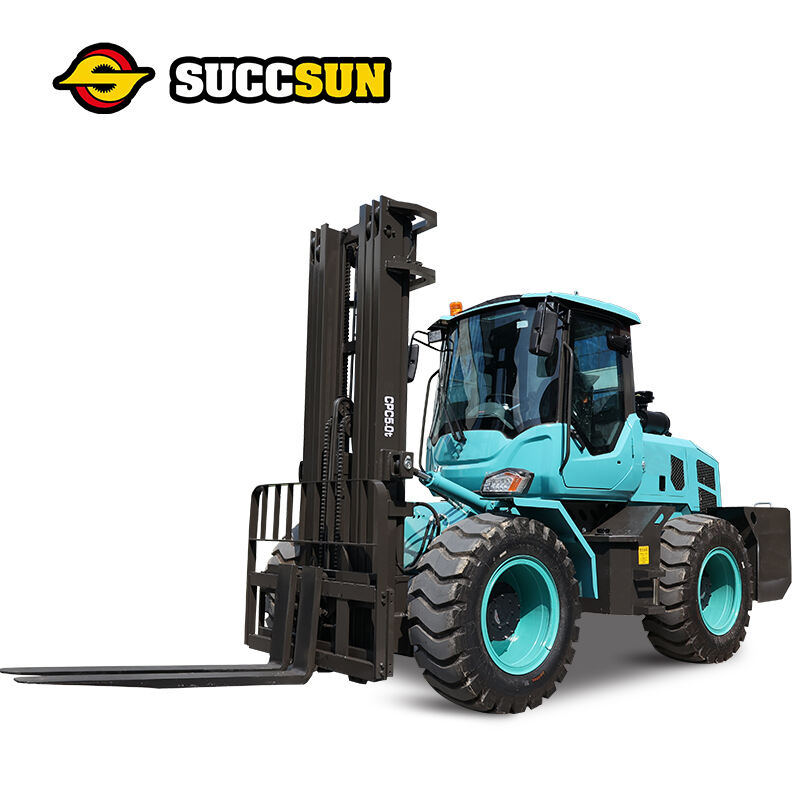
Superior Traction and Mobility of 4WD Forklift in Challenging Terrains
Common Challenges of Operating on Uneven, Muddy, and Slippery Surfaces
Standard forklifts just don't handle soft, muddy or bumpy ground very well at all. When operators try to work in these conditions, the tires either lose grip completely or just spin around without going anywhere, which puts extra strain on the engine and basically stops everything from getting done. This problem happens all the time across different sectors. Construction sites tend to be especially bad after rain, while miners deal with it daily in their tunnels. Forestry workers know this struggle too when moving equipment through forest floors that are anything but flat.
How the 4WD Drive System Enhances Grip and Maneuverability
In a 4WD forklift, each wheel gets its own power source, so they can keep moving forward even if one wheel hits something tricky or lands on ice. When we pair this system with those big pneumatic tires that have really deep tread patterns, it actually makes the tires touch more of the surface below them. The articulating axles are pretty cool too because they let the wheels move laterally by around seven degrees. This means all four wheels stay planted firmly on the ground even when driving over rough terrain. And don't forget about those adaptive limited slip differentials either. These clever components stop the machine from losing power when a wheel starts slipping, which helps maintain better control and keeps things stable no matter what kind of conditions operators face out there.
Real-World Example: Performance Gains in Construction and Mining Sites
A construction company facing harsh winter conditions integrated 4WD forklifts into their fleet and maintained steady production despite impassable terrain. These machines navigated mud, gravel, and snow without downtime, demonstrating significant performance gains over conventional equipment and reducing operational delays.
Growing Demand for 4WD Forklifts in Off-Road Material Handling
Demand for 4WD forklifts continues rising across oil, gas, forestry, and construction sectors. Their ability to handle tough outdoor conditions where standard equipment fails makes them indispensable for off-road material handling. This growth reflects the increasing need for reliable machinery in challenging environments.
Matching 4WD Capabilities to Specific Terrain Types
Different terrains require specific capabilities. For soft ground, deep-grooved tires provide essential flotation. On rocky surfaces, high ground clearance prevents undercarriage damage. Understanding these requirements ensures optimal performance across varying conditions, from lumber yards to mountainous mining operations.
Heavy-Duty Lifting Power and Structural Durability of 4WD Forklift
Lifting Capacity for Bulky Loads in Rough Conditions
When regular forklifts just can't cut it, 4WD models step in with their impressive lifting power. These heavy duty machines tackle loads between around 30k and 100k pounds, making them ideal for moving big stuff over rough terrain like construction sites covered in mud or rocky areas where standard equipment would struggle. The secret lies in their advanced hydraulics and sturdy masts that keep everything under control even when lifting high off the ground. Operators get both muscle and accuracy outdoors where conditions are tough, which is why many warehouses and construction companies rely on these beasts for their toughest jobs.
Robust Build Quality for Demanding Environments Like Mining and Heavy Logistics
What really sets these machines apart are their top notch building materials. The frames and masts are made from high grade steel, while the forks and lift chains handle serious stress without breaking down. These parts just don't bend or warp even when subjected to constant heavy lifting in tough conditions found at mines or busy logistics centers where dust and debris are everywhere. Plus, the hydraulic systems come sealed against contamination and all electrical parts stay dry no matter what. This attention to detail makes them much more dependable than regular equipment. We've seen customers report around 40 something percent less downtime overall, which translates into real money saved on repairs and maintenance costs in the long run.
Test Data: Load Stability Results from Industry Testing
Stability tests have shown pretty impressive results when these machines are pushed to their limits. When put through their paces in lab settings that replicate actual working environments, four wheel drive forklifts kept their balance even when carrying full loads up slopes angled at 15 degrees, only swaying just enough to be barely noticeable. According to findings from the Industrial Machinery Report published last year, these vehicles consistently held onto their maximum cargo weight while navigating rough terrain too. Their strengthened frame construction proved durable beyond expectations, remaining intact without any visible damage after running continuously for over 5,000 hours in some seriously tough operating conditions.
Reinforced Components That Extend Service Life Under Stress
Reinforcing those parts that take the most stress really makes a difference in how long equipment lasts before needing replacement. We tend to add extra material where things naturally wear down over time, and swap out regular bearings for bronze bushings at pivot points because they just hold up better against constant friction. Throw in some good quality anti-corrosion coatings too. All these little changes mean our 4WD forklifts keep running strong even after years on tough warehouse floors. The result? Less downtime and lower costs in the long run when compared to cheaper alternatives that need frequent repairs or complete overhauls.
Key Design Features That Improve Obstacle Navigation and Ride Stability
High Ground Clearance and Large Pneumatic Tires for Rough Terrain Access
What makes 4WD forklifts so useful is their raised chassis design which gives them plenty of space between the ground and the body. This helps them roll right over obstacles like rocks, scattered debris, and all sorts of rough terrain without damaging the underside components. The big pneumatic tires on these machines spread out the weight nicely across whatever surface they're working on, so they won't sink into mud or soft ground where regular forklifts might get stuck. Together these features mean operators can reach areas that standard equipment simply cannot access. Think about construction sites still being dug up or those muddy backyards at industrial parks where traditional machinery would just sit there spinning its wheels. For businesses needing reliable material handling in tough conditions, this kind of capability keeps operations moving forward when others would come to a halt.
Advanced Suspension Systems for Shock Absorption on Rocky Ground
The latest 4WD forklift models come equipped with independent suspension systems designed to cut down on vibrations and impacts reaching both the vehicle frame and the person operating it. When driving over bumpy warehouse floors or outdoor loading areas, these suspensions soak up the shocks that would otherwise shake everything around. This helps keep cargo stable and puts less strain on the machine itself. Real world tests show operators working long hours on rough ground report feeling about 40% less tired when using these advanced suspensions compared to older models. Plus, the reduced shaking means delicate electronics inside the forklift stay protected from constant jarring movements that could cause failures over time.
Tire Tread Design: Deep Grooves and Puncture Resistance for Harsh Sites
Tires made for tough conditions have those deep, aggressive treads that really bite into mud, snow, and all that loose gravel we see out there. A lot of these specialized models come with extra strong sidewalls and materials that resist punctures from all sorts of sharp stuff lying around demolition sites, junkyards, and mines. Some tests show that getting the right tread pattern on these jobs can boost grip performance somewhere around 60% better than regular industrial tires. Makes sense when you think about it though, since normal tires just aren't built for this kind of punishment day after day.
Ergonomic Cab Design for Operator Comfort During Extended Use
The operator cabins found on today's 4WD forklifts really focus on making life easier for workers who spend hours inside them. Most models come equipped with suspension seats that can be adjusted to different positions, along with systems designed to cut down on vibrations from rough warehouse floors. Controls are positioned where operators can reach them without stretching too much, which makes everything feel more natural after a while. All these little comforts actually make a big difference when someone is working all day in tough conditions. The view out of the cabin has also gotten better over time thanks to bigger windows and mirrors placed just right so operators can see what's happening around them. This matters a lot when moving heavy pallets across uneven ground or tight spaces where mistakes could be costly.
Enhanced Safety and Stability of 4WD Forklift on Slopes and Unstable Surfaces
Low Center of Gravity and Balanced Weight Distribution for Reduced Tip-Over Risk
Four-wheel drive forklifts stay much steadier because they have a lower center of gravity and better weight spread across the machine, which cuts down on tipping over when working on rough terrain. These machines come with wider wheels and stronger frames that basically act as a stable base, so they don't tip easily even when moving heavy stuff uphill. Some recent studies from 2023 show that this kind of design actually lowers accident rates by around 28% in outdoor settings compared to regular forklift models. That's pretty impressive considering how dangerous warehouse environments can get.
Integrated Safety Systems for Incline Operation and Slip Prevention
The latest generation of four wheel drive forklifts comes equipped with some pretty impressive safety tech aimed at keeping things stable on slopes and preventing slips. They have automatic engine brakes that help control how fast they roll down hills, which is super important in warehouses with inclines. There are also tilt sensors that beep warnings when the machine gets too close to tipping over, plus special anti roll bars that cut down on side to side movement even on steep grades around 15 degrees. The real game changer though is the onboard stability system that watches where the weight is going all the time. This helps prevent those scary tip overs we've all seen happen sometimes, especially when working on rough ground conditions like gravel or wet mud. Some studies suggest these systems can cut accident rates nearly in half compared to older models without them.
Trade-Off Considerations: Maximizing Lift Height Without Compromising Side-Slope Stability
When working with 4WD forklifts on rough terrain, operators need to find the right balance between how high they lift loads and keeping the machine stable on side slopes. These trucks definitely have good lifting power, but going beyond what's recommended gets risky fast, especially when dealing with hills or uneven ground. Smart operators know that three factors matter most: where the load is centered, how high it goes up, and the actual slope of the ground beneath them. Most forklift manufacturers design their equipment to stay stable as long as folks stick to those spec sheets for inclines. Going outside those numbers just invites trouble no matter how confident someone feels about controlling the machine.
Industry-Specific Applications of 4WD Forklift Across Rugged Sectors
Forestry and Lumber Operations: Transporting Logs Over Soft, Uneven Ground
Forestry operations need four-wheel drive forklifts because they handle all sorts of rough ground problems - think muddy patches, rocky spots, and scattered debris that make normal equipment useless. These specialized machines move massive logs and timber loads through soft soil without getting stuck or tipping over. Built tough with reinforced frames and heavy duty components, they survive the constant punishment of logging yards where regular forklifts just wouldn't last a week. The extra grip from all wheel drive means operators can work safely even when conditions turn treacherous, something standard models simply cannot manage in real world forest environments.
Aluminum Plants and Heavy Industrial Logistics Centers
Heavy industry places like aluminum smelters and metal processing plants rely on 4WD forklifts to manage huge weights throughout their outdoor yards and those tricky spots where indoor meets outdoor work. These machines shuttle everything from raw materials to finished goods and bulky parts over rough terrain including cracked concrete, gravel patches, and whatever else makes up the industrial landscape. What's impressive is how they stay stable even when carrying their full capacity loads, which matters a lot in these demanding environments.
Agricultural and Rural Infrastructure Development Projects
Agricultural operations benefit significantly from 4WD forklift capabilities when moving heavy equipment, palletized feed, and harvested materials across muddy fields and uneven terrain. These machines also prove invaluable in rural infrastructure projects where they transport construction materials, piping, and equipment across undeveloped sites with minimal ground preparation required.
Emerging Uses in Renewable Energy and Remote Site Construction
Renewable energy companies are turning to four wheel drive forklifts when working on wind farms and solar installations out in those tough to reach areas with rocky or muddy terrain. These rugged machines handle all sorts of heavy stuff - big turbine blades, massive solar panel arrays - moving them around even when the ground isn't exactly flat. What makes these forklifts so valuable is their ability to stay steady on steep hillsides and bumpy surfaces that would trip up regular equipment. For projects located far from civilization, this kind of reliable transport really cuts down on delays and keeps operations running smoothly where standard construction gear just wouldn't cut it.
FAQ Section
What is the advantage of using a 4WD forklift over a standard forklift?
A 4WD forklift offers superior traction and mobility in challenging terrains, making it ideal for operating on uneven, muddy, and slippery surfaces where standard forklifts often struggle.
How do 4WD forklifts enhance safety on rough terrain?
4WD forklifts feature a low center of gravity and integrated safety systems such as automatic engine brakes and tilt sensors, which help reduce the risk of tipping over on slopes and unstable surfaces.
In which industries are 4WD forklifts most commonly used?
4WD forklifts are in demand across various industries such as construction, mining, forestry, oil, and gas, where they handle tough conditions and transport heavy materials efficiently.
Why are deep tire treads essential for 4WD forklifts?
Deep tire treads enhance grip and puncture resistance, making them suitable for harsh terrains like mud, snow, gravel, and demolition sites.
How do 4WD forklifts improve operator comfort?
The ergonomic cab design with suspension seats and reduced vibrations ensures operator comfort during extended use, making long working hours more manageable.
Table of Contents
-
Superior Traction and Mobility of 4WD Forklift in Challenging Terrains
- Common Challenges of Operating on Uneven, Muddy, and Slippery Surfaces
- How the 4WD Drive System Enhances Grip and Maneuverability
- Real-World Example: Performance Gains in Construction and Mining Sites
- Growing Demand for 4WD Forklifts in Off-Road Material Handling
- Matching 4WD Capabilities to Specific Terrain Types
- Heavy-Duty Lifting Power and Structural Durability of 4WD Forklift
- Key Design Features That Improve Obstacle Navigation and Ride Stability
- Enhanced Safety and Stability of 4WD Forklift on Slopes and Unstable Surfaces
- Industry-Specific Applications of 4WD Forklift Across Rugged Sectors
- FAQ Section