 EN
EN


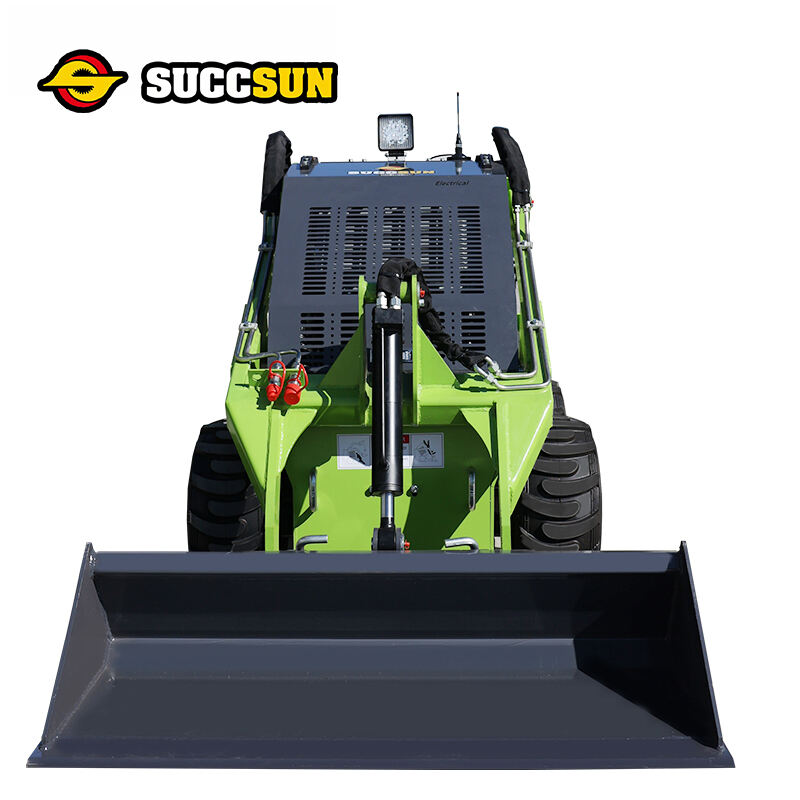
The Rise of Electric Loaders in Modern Construction
Growing Adoption of Electric Construction Equipment
More and more contractors are switching to electric loaders these days because they run quietly and don't produce any exhaust fumes unlike traditional diesel machines. The latest market report from Europe suggests that about a quarter of all wheel loaders could be electric by 2030. This growth seems to be happening fast mainly because electric models have smaller frames which work better for jobs inside buildings. They also need less power than big construction equipment so converting them to electric isn't too difficult technically. Plus, since there's no smoke coming out, workers can operate these machines safely even down in basements or tight areas where fresh air might otherwise be a problem.
How Electric Loaders Improve Job Site Efficiency
Electric equipment cuts down on downtime because they need much less maintenance overall. These machines have about 40 percent fewer parts compared to their diesel counterparts, so there's no need for complicated fuel systems or dealing with exhaust treatments. The instant torque these electric models provide makes all the difference when moving materials around crowded city construction sites. Plus, some companies now offer battery swapping stations that let operators keep working without waiting for batteries to charge. According to research published last year, construction crews who switched to electric loaders finished their jobs roughly 18% quicker than before. This wasn't just about speed either the lower noise levels meant workers could communicate better on site, cutting down on misunderstandings and wasted time.
Urban Projects Driving Demand for Zero-Emission Machinery
London and Berlin have gone all in on zero emission zones lately, which means construction crews there can't just roll up with their old diesel machines anymore. The good news? Electric loaders actually work within those strict regulations and run pretty quietly too, under 75 decibels. That matters a lot when working close to places like schools where noise complaints would be a nightmare. Plus, these machines aren't huge beasts either. Their smaller footprint makes them ideal for tight spaces in crowded city areas. Most European contractors seem to agree, since around two thirds are going electric first when they need something for home improvements or fixing up local roads and bridges.
Low Noise Operation Enhances Worksite Safety and Flexibility
Reduced Noise Improves Communication and Reduces Hazards
Electric loaders run around 65 dB, which is actually quieter than most home vacuum cleaners, while diesel versions typically go over 90 dB. The difference between these noise levels (about 25 to 35 dB) makes a real impact on construction sites where people used to have to shout just to be heard. With less background noise, workers can give clearer instructions and react quicker when hazards appear. According to recent 2023 safety checks across various job sites, there were about 38% fewer communication mistakes reported in these quieter environments. Fewer misunderstandings mean safer operations overall since many accidents happen because someone didn't hear what was being said about equipment operation.
The Science Behind Quiet Electric Machinery
Without combustion engines, electric loaders eliminate two primary noise sources: high-RPM diesel motors (85–95 dB) and hydraulic pump whine (75–88 dB). Brushless electric motors and optimized gearboxes produce 67% lower vibration frequencies, a key factor in noise propagation. Rubber-mounted components and sound-damped cabins further reduce ambient noise by 8–12 dB(A).
Meeting Stricter Urban Noise Regulations
Boston and Seattle have put in place maximum noise limits of around 78 decibels during the day for construction gear these days. Most traditional diesel loaders actually go way over this mark, typically spiking somewhere between 10 to maybe even 15 decibels higher than allowed. Looking at city records, we find something interesting happening when contractors switch to electric models in areas where noise really matters. These companies report getting roughly three quarters fewer complaints from residents living nearby, all while still getting their work done efficiently enough. And let's not forget about money either. Staying within those noise restrictions means avoiding monthly penalties that can reach as high as fifteen grand, especially under rules such as New York City's Local Law 113 which keeps a close eye on this stuff.
Gaining Scheduling Advantages in Residential Areas
The 65 dB footprint allows electric loader use from 7 AM to 8 PM in most municipalities, extending work windows by 2–4 hours daily compared to diesel equipment. Contractors report completing residential projects 19% faster using electric models, as crews avoid midday noise blackouts common in HOA-governed communities.
Zero Emissions Help Contractors Meet Environmental Standards
Electric loaders have become indispensable for contractors aiming to comply with tightening environmental regulations and sustainability benchmarks. Urban construction projects, particularly those near schools or hospitals, increasingly mandate zero-emission machinery to minimize health risks and align with global decarbonization goals.
Complying with Air Quality Regulations Like CARB
Strict air quality standards like California's CARB regulations and the EU's Stage V emissions rules are pushing things forward pretty fast. What these rules actually do is focus on particulate matter and nitrogen oxides coming out of diesel engines. And we're talking about pollutants that cause all sorts of breathing problems for people. Companies caught breaking these rules face serious fines too. Repeat offenders can end up paying around half a million dollars each year according to some recent data from Valona Intelligence in 2023. Looking eastward now, new government policies emerging in both India and China are starting to push construction companies toward electric equipment options as well. The market is definitely shifting here.
Supporting Green Building Certifications (e.g., LEED)
When it comes to green building certifications like LEED and BREEAM, electric loaders can actually boost a project's score because they cut down on those pesky operational emissions. The green building standards really do give extra credit for going the energy efficient route, and interestingly enough, using electric machines might account for as much as 15 percent of the overall certification points available. For contractors who want to stay competitive, getting their hands on zero emission equipment isn't just good for the environment anymore. Many local governments now favor bids from companies that show serious commitment to sustainability when awarding public infrastructure contracts, making these eco friendly machines practically essential for winning work in certain markets.
Global Trends in Carbon Reduction and Sustainable Construction
Around 1.1 percent of all CO2 emissions worldwide come from construction equipment according to Valona Intelligence data from last year. This has prompted countries such as Norway to set strict rules requiring construction sites to be completely emission free by 2025 at the latest. As governments around the world continue pushing toward net zero carbon goals, we're seeing major advances happening fast in battery tech for heavy machinery. These improvements allow machines to work longer hours between charges, which is good news for companies trying to meet their environmental targets and track progress through ESG reports. For contractors who want to stay ahead of the curve, getting on board with green technologies isn't just about doing what's right environmentally anymore it's becoming essential for winning contracts in markets where clients demand sustainable practices.
Electric Loaders Deliver Lower Operating and Maintenance Costs
Total Cost of Ownership: Electric vs. Diesel Loaders
Electric loaders demonstrate a 28% lower total ownership cost over five years compared to diesel models, according to recent construction equipment lifecycle analyses. This gap widens in urban environments where emission fees and noise violation penalties increasingly burden diesel operators.
Fewer Moving Parts Mean Less Maintenance
All-electric loaders operate with 50% fewer mechanical components than traditional diesel versions, dramatically reducing lubrication needs and component wear. A 2023 study of fleet operators found electric models required 65% fewer unplanned repairs, with annual maintenance costs averaging $1,200 versus $3,400 for diesel equivalents.
Real-World Savings: Fleet Operators Report 40% Drop in Service Costs
Contractors save $18,000–$24,000 per machine in maintenance and fuel costs over three years. These savings stem from eliminating diesel particulate filter replacements ($2,100/instance) and engine overhauls ($8,500+). Energy efficiency analyses show electric models consume 23 kWh per operating hour—equivalent to $3.45/hour in energy costs versus $14.60/hour for diesel fuel.
Energy Efficiency and Rising Fuel Prices Accelerate ROI
Global diesel prices have gone up around 34% since 2020, and that math adds up fast for construction companies. Electric loaders are actually paying themselves back within just 18 to 26 months when we look at fuel savings alone. The regenerative braking tech these machines come with grabs back about 15% of the energy used when lowering buckets or slowing down, which makes them work better overall. Real world feedback from contractors shows something pretty impressive too - climate control expenses drop by roughly 89%. Why? Because electric equipment doesn't need those extra anti-idling systems that traditional machines require in areas with strict emission regulations. Makes sense when thinking about long term operating costs.
FAQ Section
What are the benefits of using electric loaders in construction?
Electric loaders offer numerous benefits, including lower emissions, reduced noise levels, less maintenance, increased efficiency, and compliance with strict environmental regulations, making them ideal for urban construction projects.
How do electric loaders contribute to job site efficiency?
Electric loaders require less maintenance due to fewer moving parts, offer instant torque for material handling, and provide quieter operation which improves communication among workers, resulting in faster project completion.
What impact do electric loaders have on urban noise regulations?
Electric loaders produce significantly less noise compared to diesel loaders, making them suitable for urban areas where strict noise regulations are enforced, helping contractors avoid penalties and reduce complaints from residents.
Are electric loaders environmentally friendly?
Yes, electric loaders are environmentally friendly as they produce zero emissions, helping contractors meet environmental standards and achieve green building certifications like LEED and BREEAM.
Do electric loaders have a lower operating cost compared to diesel loaders?
Yes, electric loaders have a lower operating cost due to reduced fuel consumption, fewer maintenance requirements, and avoidance of emission fees and noise violation penalties, offering better long-term savings for contractors.