 EN
EN
Why Standard Handling Equipment Fails with Fertilizer Cargoes: The Need for Special Equipment
Corrosion from Urea and DAP: Chemical Mechanisms Behind Rapid Degradation
Both urea and diammonium phosphate (DAP) fertilizers cause serious corrosion problems in regular carbon steel equipment because of electrochemical reactions happening on contact. When urea gets wet, it breaks down into ammonia and carbonic acid, which creates acidic conditions that eat away at protective oxide layers faster than 0.5 mm per year in many cases. The ammonium ions from DAP are particularly problematic as they lead to stress corrosion cracking. This issue becomes even worse in coastal areas where saltwater introduces chloride ions that speed up pitting damage significantly. The result? Structural failures happen pretty quickly - we've seen conveyor frames and loader buckets develop holes after just about a year of operation. Facilities that don't switch to corrosion resistant materials typically face maintenance bills that jump around 60% higher because of unexpected breakdowns and frequent part replacements across fertilizer handling terminals nationwide.
Hygroscopicity, Caking, and Dust: Operational Challenges That Demand Special Equipment
Fertilizers that attract moisture from air, such as urea, tend to soak up humidity which makes them stick together inside regular storage bins. When these materials cake up, workers have to break them apart manually, which cuts down on how fast they can unload by around 40%. And this means more hands-on work and higher payroll expenses. At the same time, tiny dust particles less than 50 microns get kicked up when moving these products around. These particles create two big problems for anyone working nearby. First, breathing in all that dust is bad for health. Second, if enough accumulates, it becomes dangerous because concentrations over 30 grams per cubic meter can actually explode. Standard equipment doesn't do much to stop this dust from escaping either. We typically lose between 5% to 7% of our product this way, plus face potential fines for environmental issues. Because of all these headaches, most operations end up investing in specialized machinery that keeps things sealed against moisture while also incorporating dust control features throughout the system. This helps everything run smoother, protects workers, and keeps us within legal limits.
Core Features of Special Equipment for Safe and Efficient Fertilizer Removal
Corrosion-Resistant Materials: Duplex Stainless Steel and Polymer-Lined Components
Equipment used for handling fertilizers fights off quick breakdown thanks to something called duplex stainless steel, specifically grade 2205. This material has both austenitic and ferritic structures inside it, making it really good at standing up against that pesky chloride stress corrosion cracking problem so common at sea ports. The parts where stuff actually touches the equipment need extra protection too. Hoppers, those sliding chutes between containers, and even conveyor belts get coated with special plastics. High density polyethylene works great when chemicals are the main concern, while polyurethane holds up better when there's lots of physical wear happening. Putting these two materials together makes equipment last anywhere from three to five times longer than regular carbon steel would. That means big savings over time for shipyards since they spend less money replacing broken gear and don't have to stop operations as often for repairs.
Integrated Dust Suppression and Sealed Transfer Systems to Prevent Cargo Loss
Fertilizers such as DAP absorb ambient moisture, accelerating caking and dust generation during transfer. This dust contributes to up to 8% annual cargo loss while elevating explosion risks in enclosed spaces. Special equipment integrates three complementary solutions:
- Targeted dust suppression nozzles, delivering atomized water or non-toxic binding agents at discharge points to agglomerate fines before airborne dispersion
- Hermetically sealed conveyors with labyrinth seals and magnetic gaskets to prevent leakage during vertical or horizontal transfers
- Negative-pressure ducting, capturing fugitive emissions via centralized extraction and filtration
Together, these systems reduce particulate release by over 90%, ensuring compliance with IMO and ISO air quality standardsâand preserving both cargo value and worker health.
Optimized Workflow Integration: From Vessel Discharge to Stockpile
Telescopic Hoppers, Front-End Loaders, and Grab Crane Synergy
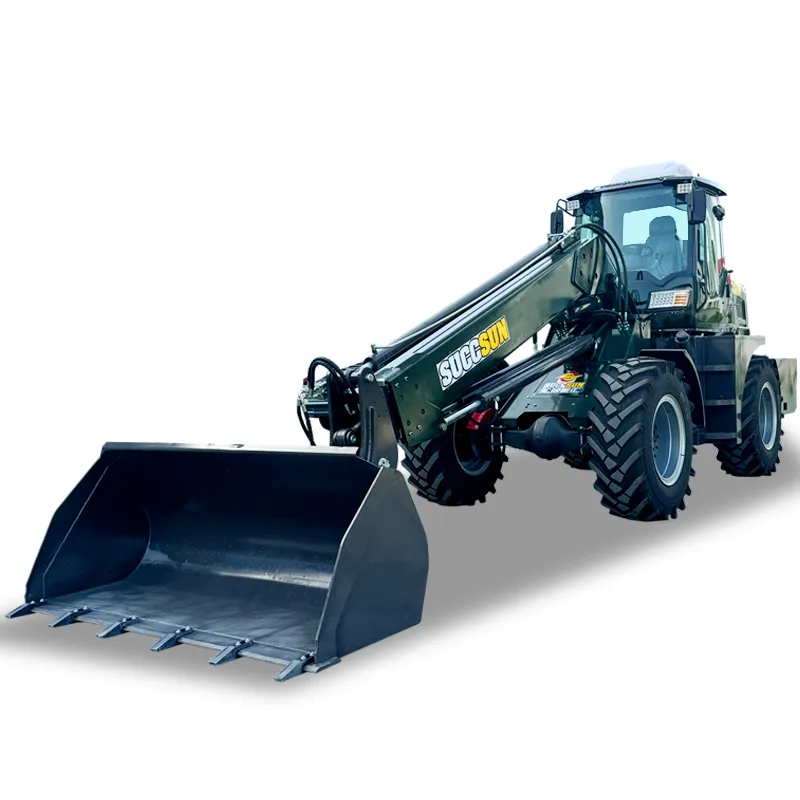
When it comes to material handling operations, telescopic hoppers, front end loaders, and grab cranes aren't just separate pieces of equipment that happen to work together. They form an integrated system designed specifically for coordinated operation. Take the telescopic hopper first. These units position themselves right under ship hatch openings so they can unload cargo quickly while keeping dust levels down during the process. What happens next? Front end loaders come into play, moving whatever needs transporting either to temporary storage spots or straight to where it's needed. This minimizes spills on the ground and keeps workers from getting exposed to materials unnecessarily. And let's not forget about those grab cranes which handle stacking fertilizers in neat piles that stay put. We've seen facilities cut down on manual labor requirements by anywhere from 30% to half compared to older methods. The whole point of integrating these systems is twofold actually. First, it stops the need for moving stuff twice over. Second, ships spend significantly less time at docks now. Some places report cutting turnaround times by around 40%. Plus there's better coordination between all these machines because they share common hydraulic systems, electrical connections, and control protocols throughout the facility.
Site-Specific Customization of Special Equipment for Shipyards
Modular Configurations for Tidal, Confined, and Low-Headroom Environments
Working in shipyards presents some pretty tough physical limitations that just don't play well with standard fertilizer handling equipment. Tides come and go, dock spaces are often cramped, and there's always the issue of getting things under bridges or other overhead structures. That's where modular design really shines because it can be adapted right at the location. For instance, telescopic conveyors can actually change their height as tides rise and fall. Low profile hoppers fit underneath those big gantry cranes, and joints that bend and twist help shorten transfer paths by around 40% when space gets really tight. These systems are constructed using materials that resist corrosion and have special seals against salt water damage, which helps protect them from wearing out too fast. Looking at actual data from port operations, this kind of tailored engineering cuts down maintenance costs by nearly 30% and keeps things running smoothly even when ships need to unload cargo quickly during busy periods.
Frequently Asked Questions
Why is standard handling equipment inadequate for fertilizer cargoes?
Standard handling equipment is prone to rapid corrosion, dust emission, and operational issues due to fertilizer properties like hygroscopicity and chemical corrosiveness, leading to higher maintenance costs and operational inefficiencies.
What are the benefits of using specialized equipment for fertilizer handling?
Specialized equipment offers enhanced corrosion resistance using materials like duplex stainless steel, integrated dust suppression systems, and adaptability to site-specific conditions, resulting in reduced environmental impact, safer operations, and longer equipment lifespan.
How do telescopic hoppers, front-end loaders, and grab cranes improve workflows?
These equipment pieces form an integrated system that allows for efficient material handling, minimizing dust and spillage, reducing manual labor, and decreasing vessel turnaround time at docks by up to 40%.
Table of Contents
- Why Standard Handling Equipment Fails with Fertilizer Cargoes: The Need for Special Equipment
- Core Features of Special Equipment for Safe and Efficient Fertilizer Removal
- Optimized Workflow Integration: From Vessel Discharge to Stockpile
- Site-Specific Customization of Special Equipment for Shipyards
- Frequently Asked Questions